

By : Chinasaokwu Helen Okoro
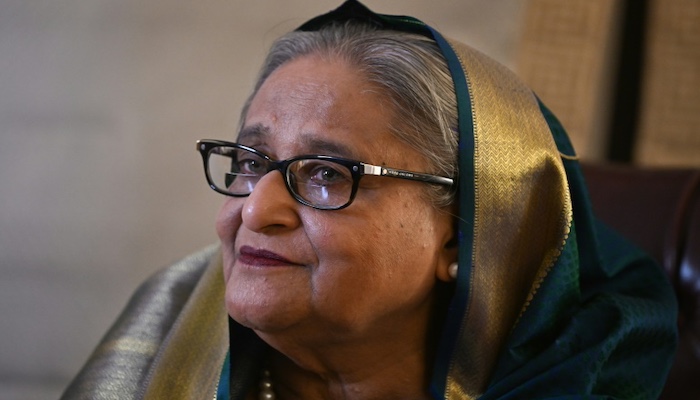
Ex-Bangladesh Leader Sheikh Hasina Sentenced to Death⁹ Over Protest Crackdown
Bangladesh has been thrust into one of its most turbulent moments in decades following the shocking announcement that former Prime Minister Sheikh Hasina has been sentenced to death by a special tribunal for crimes against humanity.
The ruling, delivered in her absence, stems from last year’s violent crackdown on student-led protests—an episode that reshaped the country’s political landscape and continues to divide its people.
The tribunal found Hasina responsible for authorizing the use of force by security agencies to suppress nationwide demonstrations sparked by student grievances and longstanding frustrations with governance. According to UN estimates, up to 1,400 people were killed, many of them students, with most deaths attributed to gunfire from state forces. Rights groups have described the crackdown as one of the deadliest episodes of state violence in Bangladesh’s recent history.
Hasina, who was ousted from power amid the unrest, has been living in exile in India since her government collapsed. Her absence did not halt the trial, which moved forward swiftly under Bangladesh’s post-transition leadership. Prosecutors argued that Hasina’s directives directly enabled the excessive force used on protesters, constituting crimes against humanity under international law.
Responding to the verdict in an interview with the BBC last week, Hasina condemned the proceedings as a politically motivated “kangaroo court.” She rejected all charges and insisted she acted to maintain national stability during a period of escalating violence. Her refusal to recognize the legitimacy of the tribunal raises profound questions about what comes next—particularly regarding any attempt by Bangladesh to seek her extradition.
India is expected to resist handing her over, a move that could strain an already delicate diplomatic relationship between the two neighbors. New Delhi has historically been one of Dhaka’s closest allies and played a central role in Hasina’s political rise. Analysts believe India is wary of appearing complicit in a process widely criticized by international observers for lacking transparency and due process.
As news of the sentence spread, Bangladesh moved quickly to reinforce security across major cities. Authorities deployed additional police units to government buildings, transport hubs, and known protest flashpoints. Early reports indicate that small demonstrations erupted in parts of Dhaka and Chittagong shortly after the verdict was announced, though they were quickly dispersed.
The government has urged citizens to remain calm, but many fear a renewed cycle of unrest. The student movement that toppled Hasina’s administration remains active, energized, and deeply distrustful of state institutions. Human rights advocates worry that the death sentence may ignite anger rather than bring closure, potentially drawing thousands back into the streets.
International reactions have been cautious but concerned. Several Western governments have expressed alarm over the severity of the punishment and the rapid pace of the trial. The UN, which documented the deaths during last year’s crackdown, called for restraint and emphasized that justice must meet global standards of fairness and impartiality.
For Bangladesh, the verdict marks a historic moment—one that raises as many questions as it answers. Supporters of the tribunal see the ruling as a necessary step toward accountability after years of alleged abuses under Hasina’s leadership. Critics, however, fear that the decision may deepen political fractures and destabilize a nation still reeling from the trauma of last year’s violence.
As the country braces for potential fallout, one thing remains clear: the sentencing of Sheikh Hasina has sent shockwaves throughout South Asia, setting the stage for a prolonged political and diplomatic showdown with consequences far beyond Bangladesh’s borders.
About The Author











Leave a comment