

By : Chinasaokwu Helen Okoro
Inferno Fueled by Phones: How Hundreds of Smartphones Turned India Bus Crash Into a Firestorm
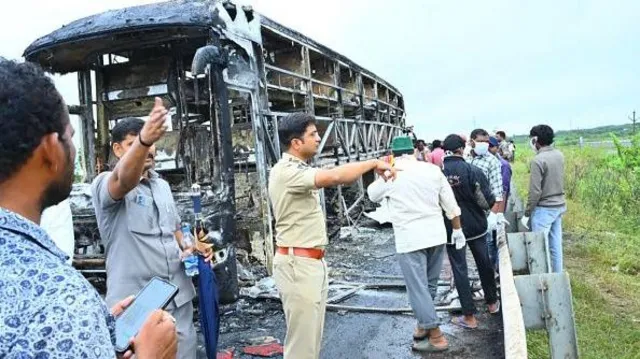
A deadly bus inferno in southern India that claimed at least 20 lives is now believed to have been intensified by hundreds of smartphones on board, according to emerging forensic reports. The horrific blaze, which consumed a Bangalore-bound passenger bus early Friday morning, is being described by investigators as one of the most severe transport fire disasters in recent memory.
The tragedy unfolded near Kurnool, Andhra Pradesh, when the overnight bus — carrying around 40 passengers — collided with a motorcycle on a dark stretch of highway. The impact ruptured the bus’s fuel tank, triggering an explosion that set the vehicle ablaze within seconds. Passengers, jolted awake by the crash, scrambled desperately to escape the fast-spreading flames as cries for help pierced the night.
Local residents and motorists rushed to the scene with buckets of water and fire extinguishers, managing to save some survivors through smashed windows before the inferno became uncontrollable. By the time firefighters arrived, the bus was reduced to a charred shell of metal and melted seats.
Forensic experts who examined the wreckage have now concluded that the intensity of the fire was greatly amplified by the presence of 234 smartphones packed in the bus’s cargo hold. Each device contained a lithium-ion battery, a component known for its volatility when damaged or overheated.
“The bus batteries, flammable interior materials, and the cargo of cell phones all contributed to the rapid escalation of the fire,” said Vikrant Patel, Superintendent of Police in Kurnool, speaking to CNN News18. “Once the lithium-ion cells ruptured, they released heat and gases that made suppression nearly impossible.”
The smartphones, valued at 4.6 million Indian rupees (approximately $52,000), were being transported from Hyderabad to Bengaluru for an e-commerce company, according to NDTV. The devices were stored in sealed boxes stacked near the bus’s luggage section, close to where the initial explosion occurred.
Lithium-ion batteries, commonly found in mobile phones, laptops, and electric vehicles, are known fire hazards when punctured or exposed to high temperatures. They can undergo a process known as thermal runaway, where internal temperatures rise uncontrollably, leading to spontaneous combustion. When packed in large numbers, as in this case, such fires can feed off one another in a chain reaction, spreading faster than conventional firefighting techniques can contain.
Adding to the catastrophe, P. Venkataraman, Director-General of the Andhra Pradesh Fire Services Department, confirmed that electrical batteries powering the bus’s air conditioning system also exploded in the heat. “The fire was unlike anything we’ve seen in recent years,” he told reporters. “We saw bones and ash dropping through the melted metal sheets. The lithium batteries made the fire so intense that even our high-pressure hoses had limited effect.”
Authorities say an investigation is underway to determine whether negligence played a role. Preliminary findings suggest that the motorcycle may have veered suddenly into the bus’s path, though officials are also examining whether the bus driver was speeding. The driver, who fled the scene, remains at large, while the motorcyclist is reported to be among the dead.
The incident has reignited debate about road safety and the transport of hazardous materials in public vehicles. Despite India’s extensive bus network, safety standards are often poorly enforced, with operators accused of overloading and ignoring fire prevention measures.
India recorded more than 168,000 road accident fatalities in 2024, the highest in the world, according to government statistics. Experts are calling for stricter regulations on transporting flammable goods, especially those involving lithium-ion batteries, in passenger vehicles.
As rescue teams sift through the remains of the burned-out bus, families of the victims have begun identifying loved ones through personal belongings. For many, the tragedy stands as a grim reminder of how a routine journey can turn deadly in a matter of seconds — and how the very technology that connects the world can, under the wrong circumstances, help fuel unimaginable destruction.

About The Author

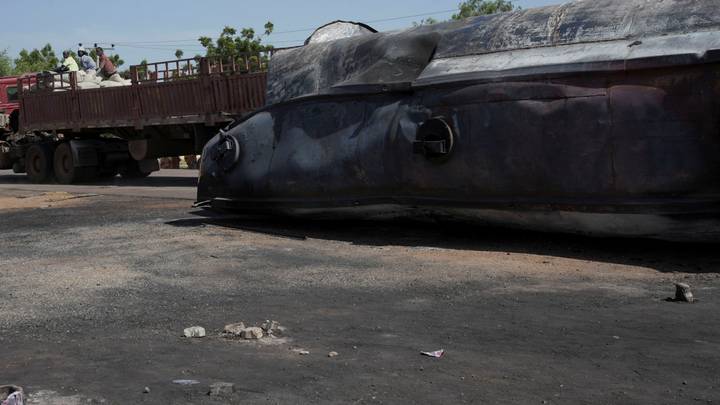 Türkiye Mourns Tragic Fuel Tanker Explosion in Nigeria
  Deadly Tanker Explosion in Nigeria’s Niger State Leaves 86 Dead, Victims Laid to Rest in Mass Grave
 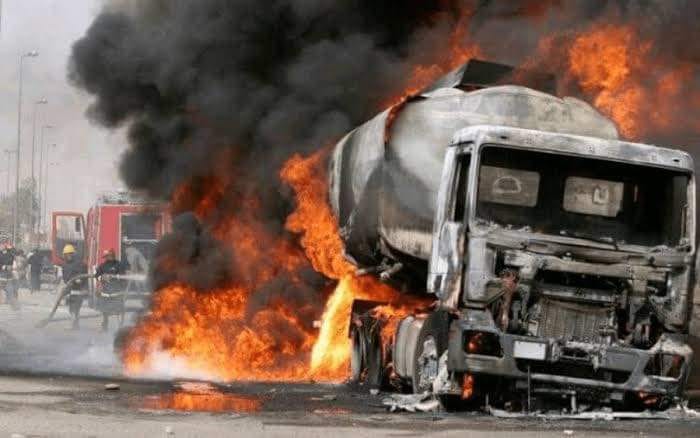 Breaking News: Fuel Tanker Explosion Kills Over 100 in Northern Nigeria
  Kenya: 17 pupils killed in Kenyan school fire , police said.
  A Colorado man gets 60 years behind bars for setting fire that killed a Senegalese family of 5.
 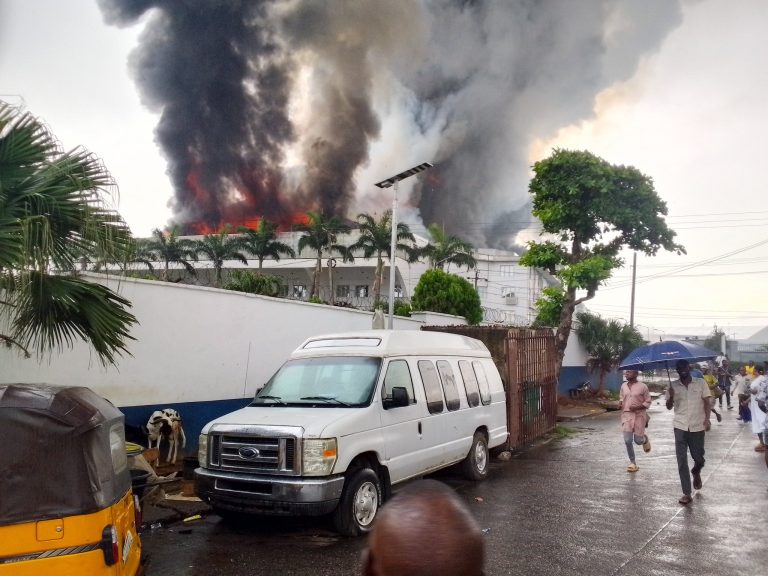 Fire guts Christ Embassy headquarters in Lagos.
  Zambia’s Hichilema’s Makes His Case: Stabilisation, Reform and the Road to 2026
  Onitsha Market Closure: Soludo Explains Rationale, Vows to End Sit-at-Home
  FIFA Rules Out World Cup Ban as Senegal Face CAF Sanctions Over AFCON Final Walk-Off
  Nollywood Actress, Angela Okorie Reportedly Detained Over Alleged Cyberbullying Linked to Mercy Johnson Case