

By : Chinasaokwu Helen Okoro
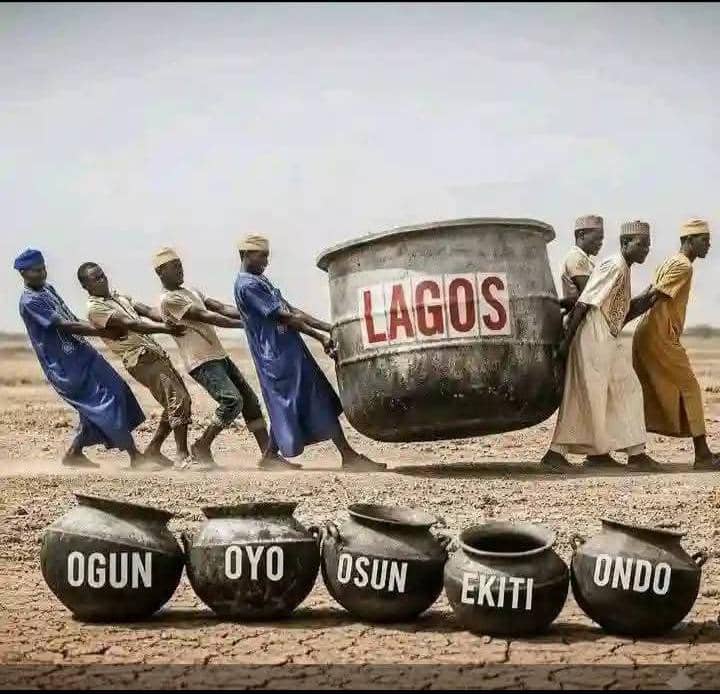
Nigeria : Drama Over Lagos Indigenes Versus Yorubas From Other States
Lagos State, Nigeria’s commercial hub, has long been a melting pot of ethnicities, nationalities, and people from across the country. Among these are Yorubas from other Southwestern states (Ogun, Oyo, Osun, Ondo, Ekiti) who live, work, do business, and in many cases, aspire to political or traditional titles within Lagos.
Recently, tensions have flared, as some Lagos indigenes assert that these non-Lagos-born Yorubas are unfairly assuming roles, titles, or privileges in Lagos in ways that marginalize natives. These tensions are manifesting in protests, statements, and socio-cultural agitation.
Key Players
De Renaissance Patriots Foundation — a socio-cultural group representing indigenes of Lagos. Its president, Miftah Bolaji Are, is a central voice in the protests.
Lagos indigenes more generally, particularly those in Ikorodu division and other divisions where perceived displacement or loss of privilege is felt.
Yorubas from other states (South-West), who indigenes claim are posing as Lagos indigenes, taking up political offices, traditional chieftaincy titles, land allocations, Certificate-of-Occupancy (C-of-O), etc.
Issues / Points of Tension
1. Traditional Titles & Land Ownership
Lagos indigenes allege that Yorubas from other states are obtaining traditional titles, land rights, and C-of-Os within Lagos, sometimes under the pretense of being Lagos indigenes, or through mechanisms that favor non-natives. This is seen as a dilution of the rights of native Lagosians.
2. Political Representation
There is concern that elective or appointed offices (governorship, deputy governorship, speakership) in Lagos are being influenced by non-indigenes. Indigenes are pushing that future candidates for major positions be “Ibile Eko” persons (i.e. native Lagosians).
3. Cultural / Identity Claims
Disputes over who is “really” a Lagos indigene, or who has a valid claim to Lagos by ancestry, birth, or contribution are central. Indigenes are challenging what they describe as “false claims” by non-indigenes pretending to be natives.
4. Constitutional & Legal Implications
The proposed constitutional amendment on indigeneship has come under attack by Lagos native groups, who argue it could redefine “indigene” in ways that reduce their historical and legal rights.
Recent Incidents / Protests
In Ikorodu, representatives of De Renaissance Patriots have publicly declared they will no longer tolerate people who misrepresent themselves as Lagos indigenes, particularly Yorubas from other states.
The group has demanded that governorship candidates be from indigenes of Lagos henceforth.
There was also a public outcry about non-indigenes taking titles — traditional or chieftaincy positions — which many Lagos natives view as theirs by heritage.
Counterarguments / Other Views
Some groups argue that Lagos being a cosmopolitan and commercial state has always had a mix of people, and that barring non-natives from certain opportunities goes against constitutional freedoms (e.g. movement, residence, business).
Politicians and observers warn that these agitations risk fostering ethnic divisiveness and could be manipulated for political gain. For example, Governor Babajide Sanwo-Olu condemned divisive rhetoric like “Igbo Must Go” in the Southwest region, emphasizing that Lagos remains a home for all regardless of ethnic origin.
Risks & Implications
Social cohesion: The tension risks heightening ethnic identity wars, fueling prejudice between communities that have co-existed for decades.
Governance & Fairness: If political offices or benefits systematically exclude non-natives, legal or constitutional challenges may arise. There is a risk that policy becomes discriminatory.
Political Manipulation: Such identity issues are often used by political actors to mobilize base support or marginalize opponents.
Conclusion
The drama over Lagos indigenes protesting Yorubas from other states is rooted in long-standing issues of indigene-settler identity, political representation, land and title ownership, and what constitutes rightful claims to heritage and privileges within Lagos. While indigenes are asserting their rights and grievances, there are countervailing principles of inclusion, constitutional protections, and multi-ethnic rights in cities like Lagos.
For any sustainable resolution, a balanced approach will be required: legal clarity on indigene rights, fair opportunities for all residents, and political leadership committed to unity rather than division.

About The Author

 PASPEC Calls for Justice for Late Ochanya Ogbanje
  Nigeria :Tension in Abuja as Police Arraigned Nnamdi Kanu’s Lawyer, Brother, and 11 Others at Kuje
  Chaos in the Capital: Sowore-Led Protesters Clash with Security Forces in Abuja Over Nnamdi Kanu’s Detention
  Zambia’s Hichilema’s Makes His Case: Stabilisation, Reform and the Road to 2026
  Onitsha Market Closure: Soludo Explains Rationale, Vows to End Sit-at-Home
  FIFA Rules Out World Cup Ban as Senegal Face CAF Sanctions Over AFCON Final Walk-Off
  Nollywood Actress, Angela Okorie Reportedly Detained Over Alleged Cyberbullying Linked to Mercy Johnson Case