

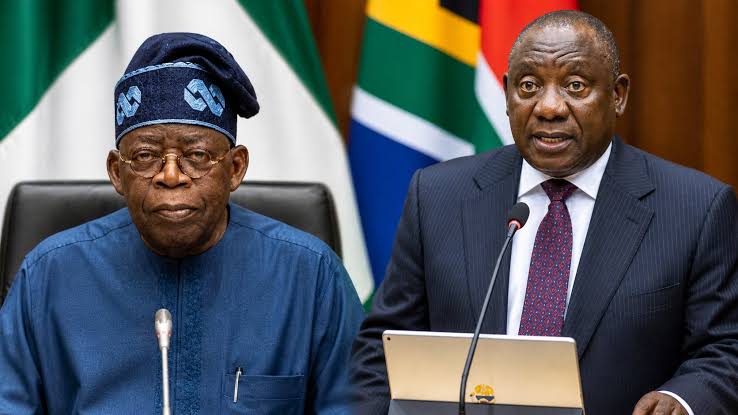
Nigeria Seeks Compensation for Citizens Forced to Leave Investments in South Africa
The Federal Government has announced plans to pursue compensation for Nigerians who were forced to abandon businesses, vehicles and other valuable assets while fleeing renewed anti-immigrant tensions in South Africa.
Nigeria’s Acting High Commissioner to South Africa, Alexander Ajayi, disclosed the move during an interview on Channels Television’s The Morning Brief on Tuesday, saying authorities are compiling records of properties left behind by returnees under the ongoing voluntary evacuation programme.
According to him, Nigerians returning home have been directed to provide detailed information on every investment and asset they could not recover before leaving.
He explained that the documentation would support discussions with the South African government on possible compensation.
Ajayi said the Federal Government’s responsibility extends beyond evacuating its citizens, stressing that efforts are also being made to protect the legitimate investments many Nigerians built over the years.
He also dismissed the perception that most Nigerians living in South Africa are undocumented, arguing that many entered the country legally but later faced prolonged delays in renewing their immigration status.
Meanwhile, another batch of 271 evacuated Nigerians arrived at the Murtala Muhammed International Airport in Lagos on Tuesday aboard an Air Peace Boeing 777-200 as the evacuation exercise continued.
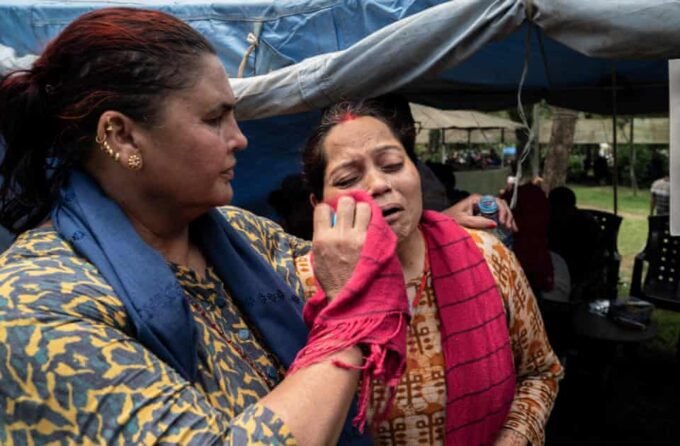
Several of the returnees described painful experiences of harassment, threats and xenophobic attacks, saying they were left with no choice but to abandon businesses and personal belongings to save their lives.
One of the returnees, Emmanuela, said hostility towards Nigerians had intensified because many locals viewed them as economic competitors. She added that repeated threats to her safety forced her to flee, leaving behind everything she had worked for.
She further claimed that obtaining legal residency documents had become increasingly difficult despite following the required application process.
Another returnee, Sandy Oris from Anambra State, said relocating to South Africa over a decade ago had become his greatest regret after his shop was attacked and looted during the latest wave of violence.
Oris appealed to the Federal Government to support returnees financially, noting that many arrived home without savings, businesses or any means of restarting their lives.
He also argued that many accusations frequently directed at Nigerians in South Africa were driven more by prejudice than by facts.
About The Author













Leave a comment