

By Ollus Ndomu
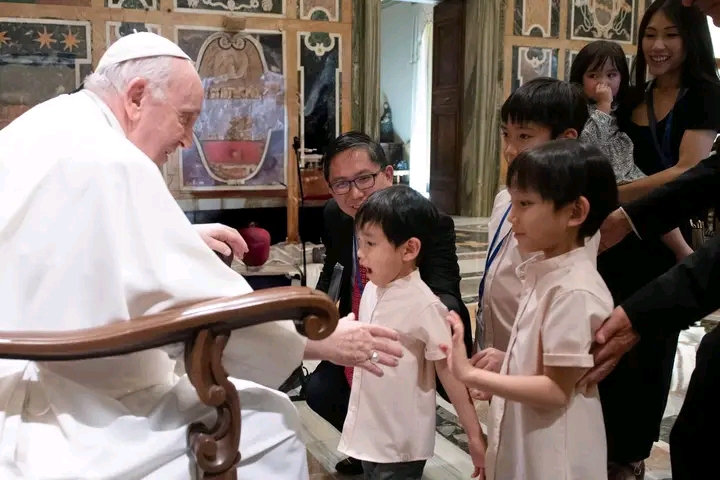
Pope Francis, the first Latin American pontiff and a reformer who sought to shift the tone of the Catholic Church toward compassion, justice, and openness, has died at 88. The Vatican announced he passed away early Monday morning, just a day after delivering what would be his final Easter message to thousands gathered in St. Peter’s Square.
His death marks the end of a deeply transformative papacy that redefined the Church’s role in a changing world. Elected in 2013 after the surprise resignation of Pope Benedict XVI, Francis quickly broke precedent—riding in a modest Fiat, rejecting the grand papal apartments, and choosing the name “Francis” in honor of St. Francis of Assisi, signaling a shift toward humility and service.
The Vatican said he died peacefully at 07:35 a.m. local time in the Apostolic Palace after months of declining health. He had been hospitalized earlier this year and was discharged in March after treatment for a prolonged lung infection.
Pope Francis appeared frail but determined during Easter Mass on Sunday, where he addressed the world with a brief message urging global unity and peace, especially in war-torn regions like Ukraine, Gaza, and the Sahel. The moment now marks a poignant farewell to a papacy that consistently spoke for the poor, the displaced, and the overlooked.
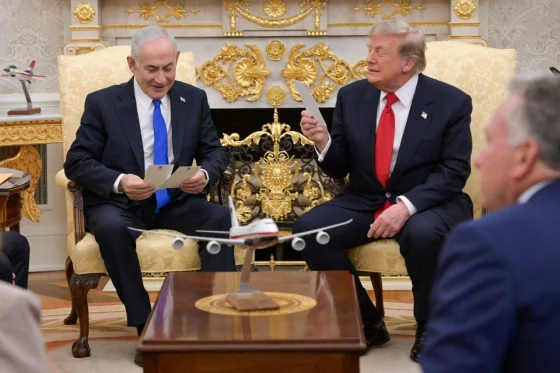
World leaders, religious figures, and ordinary citizens poured in tributes. French President Emmanuel Macron called him “a man of humility, whose boundless compassion crossed faiths and continents.” President Donald Trump offered condolences, describing Francis as “a spiritual leader who challenged us all to be better.”
Born Jorge Mario Bergoglio in Buenos Aires, Argentina, the future pope worked as a nightclub bouncer, teacher, and chemist before joining the Jesuit order. His election was historic—not just as the first pope from the Global South, but as a pastor who aimed to decentralize power in the Vatican and focus on social justice.
He tackled subjects his predecessors avoided: climate change, LGBTQ inclusion, sexual abuse within the clergy, and the economic inequality he labeled a “structural sin.” His 2015 encyclical Laudato Si’, calling for environmental stewardship, became a rallying point far beyond religious circles.
But his tenure was also marked by tension. His attempts at reform met resistance from traditionalists, and his calls for inclusivity sparked fierce theological debates. Some criticized him for ambiguity on doctrine; others hailed him as a prophet for modern times.
Funeral arrangements are expected to begin this week, followed by a conclave where cardinals from around the world will gather to elect the next leader of the Roman Catholic Church.
Pope Francis is remembered not just for what he did, but for how he led—with simplicity, empathy, and an unyielding focus on the marginalized. His death closes a chapter that reawakened faith for millions and challenged one of the world’s oldest institutions to confront the present.
About The Author














Leave a comment