


By : Chinasaokwu Helen Okoro
Rwanda Demands $130 Million from UK, Opening New Front in Diplomatic Rift over Scrapped Asylum Scheme
On a chilly morning in The Hague, negotiators and legal advisers from Kigali and London filed into the grand, arched chambers of the Permanent Court of Arbitration. For Rwanda’s representatives, this was no ordinary diplomatic engagement — it was a reckoning. For years, Rwanda and the United Kingdom had been bound by a contentious asylum partnership, one that London had enthusiastically signed, only to later abandon. Now, Rwanda argues, Britain owes more than $130 million for walking away from a deal that was as ambitious as it was controversial.
The saga began in 2022, when Britain, grappling with growing numbers of migrants crossing the English Channel, struck an agreement with Rwanda. The idea was simple in theory: the UK would pay Kigali to host and process asylum seekers who had arrived illegally in Britain — a third-country solution meant to deter dangerous sea crossings and ease pressure on British border controls. Yet, despite soaring expectations and headline-grabbing announcements, the policy never truly got off the ground. Only a handful of volunteers were ever relocated, and legal challenges in British courts repeatedly blocked enforcement.
Then, in 2024, Britain’s political winds shifted. Newly elected Prime Minister Keir Starmer — determined to change course — scrapped the Rwanda plan early in his tenure. He declared the agreement “dead and buried,” arguing that it had been costly, ineffective, and legally fraught. The UK government said it would no longer make further payments tied to the partnership. But that move, Rwanda insists, was premature and ultimately in breach of the treaty’s terms.
Rwanda’s claim, filed at the Hague arbitration court, contends that discussions over formally terminating the agreement never materialised. In the absence of an agreed termination or new financial terms, the payments agreed under the original treaty “remain due and payable” — including sums for hosting asylum processing and related arrangements, Rwanda said in its filing.
From Kigali’s perspective, this is not merely about money. It is about principle and predictability in international agreements. Rwanda’s government indicated willingness to negotiate a mutual end to the treaty — but only if both sides agreed on fresh terms. When London declined to engage in such talks, Rwanda saw no choice but to pursue legal remedies.
For London, the dispute is deeply politically sensitive. British officials argue they acted to protect taxpayers after a policy that had already cost hundreds of millions of pounds failed to function as intended — sending only a tiny number of individuals and exerting minimal deterrent effect on channel crossings. They maintain that focusing on other measures to tackle illegal migration is a better use of public funds. UK government spokespeople have pledged to defend their position robustly before the arbitration tribunal.
The financial stakes are notable. London paid significant sums under the partnership before it was scrapped, with figures reported in the hundreds of millions of pounds for various pre-deployment costs, funds to support Rwanda’s economy and migration processing infrastructure, and future scheduled payments that were halted. The contested amount now claimed by Rwanda reflects not just the sums initially agreed but also compensation for what Kigali views as a breach of trust.
Beyond the courtroom, the dispute has injected fresh tension into UK-Rwanda relations, already strained by disagreements over foreign aid and accusations surrounding Rwanda’s role in regional conflicts, which London has criticised. Rwanda has denied those allegations, adding another layer of complexity to diplomatic ties.
Critics of the UK’s policy contend that the Rwanda scheme was flawed from the start — an expensive distraction from deeper challenges in the British asylum system that require comprehensive reform rather than high-profile bilateral deals. Supporters, however, on both sides of the debate argue that third-country processing deals could still play a role in broader migration strategies if structured clearly and implemented effectively.
As the arbitration process unfolds, both nations are watching closely. The outcome could set a precedent for how future international migration agreements are structured and terminated — and whether financial and legal obligations tied to them can be contested long after their practical implementation has stalled. In the vaulted halls of The Hague, what began as a bold policy experiment may yet become a cautionary tale in diplomacy, law, and the politics of migration.

About The Author

 Ibeh Ugochukwu Bonaventure on Troco Technology: Building Trust Where Nigerians Once Took Risks
 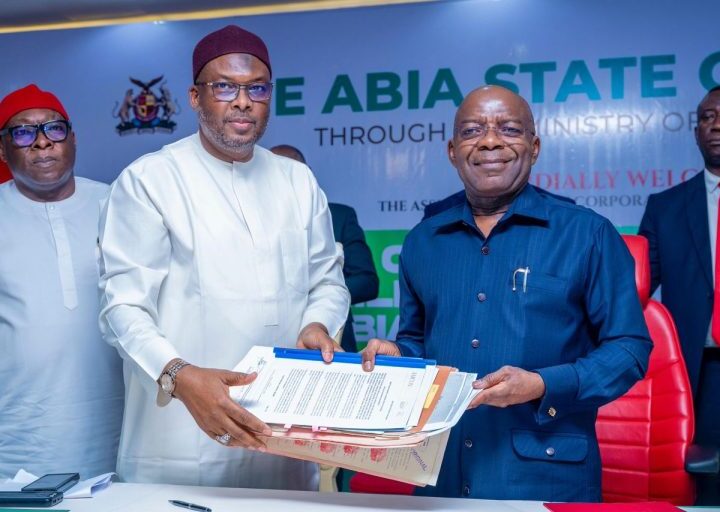 AMCON Transfers Star Paper Mill to Abia Government in Push to Revive Dormant Industries
  Tourism stakeholder calls for cheaper air fares, safer roads
  Business booming for giant cargo planes
  Trump-Putin: The understandable story
 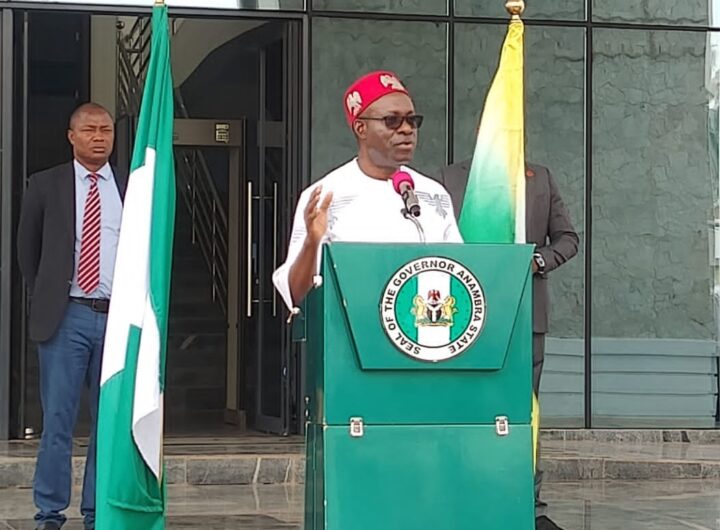 Onitsha Market Closure: Soludo Explains Rationale, Vows to End Sit-at-Home
 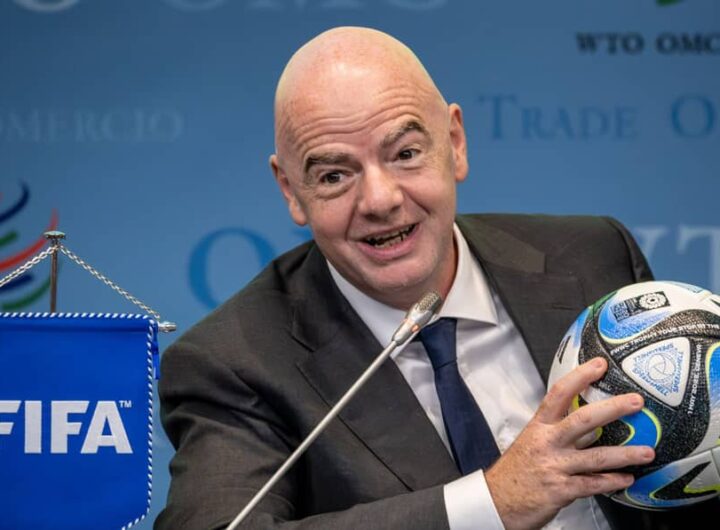 FIFA Rules Out World Cup Ban as Senegal Face CAF Sanctions Over AFCON Final Walk-Off
  Nollywood Actress, Angela Okorie Reportedly Detained Over Alleged Cyberbullying Linked to Mercy Johnson Case
 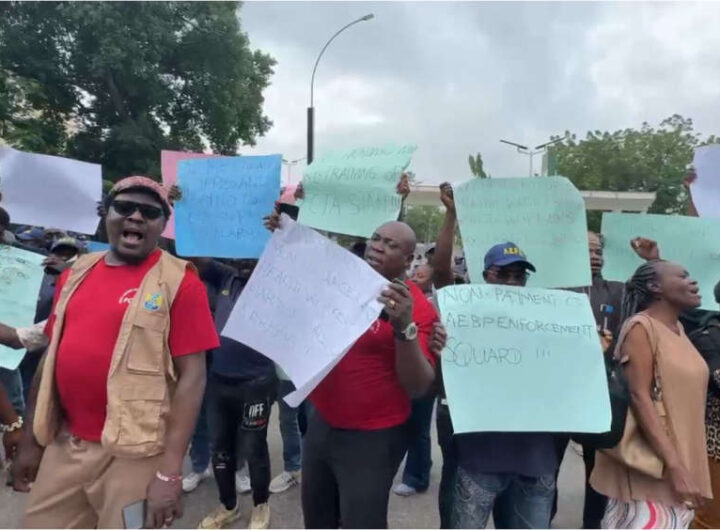 FCT Strike Persists as Workers Ignore Court Order, Keep Pressure on Wike