

By : Chinasaokwu Helen Okoro
The Killing of Oghenemine and Nigeria’s Ongoing Struggle with Police Brutality
The recent killing of Oghenemine in Delta State has reignited national outrage and brought renewed attention to the persistent issue of police brutality in Nigeria.
The incident, which reportedly took place in Effurun, has stirred deep emotions among citizens, civil society groups, and human rights advocates, many of whom see it as yet another example of excessive force and disregard for the rule of law.
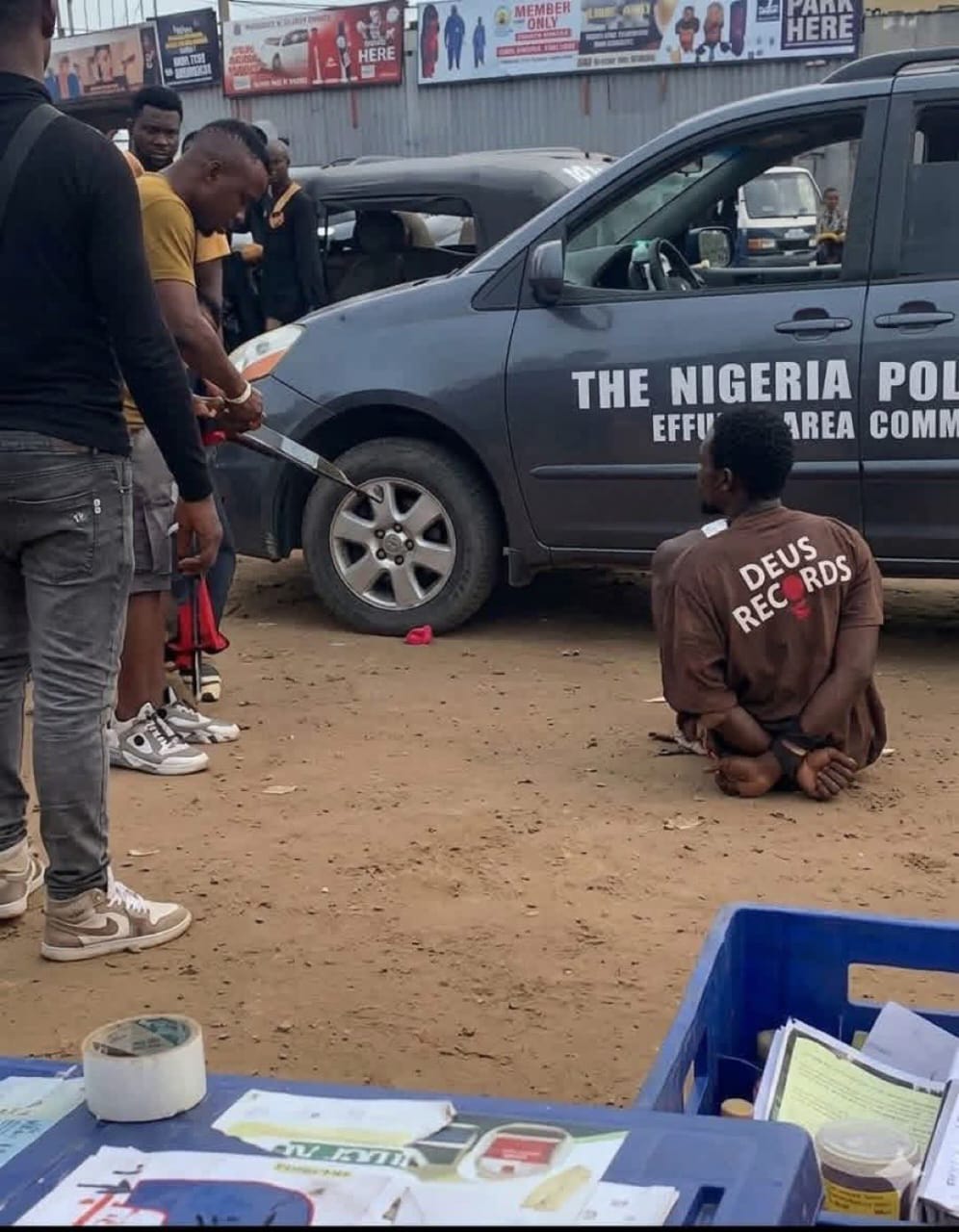
Oghenemine, a young man said to be in his late twenties, was allegedly arrested by officers of the Nigeria Police Force on suspicion of involvement in a firearms-related offence.
However, what followed has been widely condemned. Eyewitness accounts and a viral video suggest that he was already restrained—handcuffed and seated on the ground—when he was shot at close range by an officer.
In the footage, he appeared unarmed and was reportedly pleading for his life.
The officer allegedly responsible for the shooting, identified as ASP Nuhu Usman, has since been taken into custody. Authorities within the Delta State Police Command confirmed that the act violated standard operational procedures. They described the shooting as unauthorized and assured the public that disciplinary measures were underway.
The officer has reportedly been transferred to Abuja for further investigation and possible prosecution.
Despite this response, public anger has not subsided. Many Nigerians argue that the killing represents a clear case of extrajudicial execution—a situation where a suspect is punished without trial or due legal process.
Legal experts emphasize that even if Oghenemine had been involved in a crime, the law mandates arrest, investigation, and prosecution in a court of law. The use of lethal force against a restrained suspect raises serious ethical and legal concerns.
The incident has also triggered painful memories of past abuses, particularly the 2020 End SARS protests, during which thousands of young Nigerians took to the streets to demand an end to police violence and impunity.
While some reforms were promised in the aftermath of those protests, many citizens believe that little has changed in practice. Cases like Oghenemine’s changed in practice. Cases like Oghenemine’s reinforce the perception that accountability within law enforcement remains weak.
Adding to the emotional weight of the tragedy are reports from Oghenemine’s family. His mother, in a deeply distressing statement, claimed that this was not the first time she had lost a child to police violence. Such accounts have intensified public sympathy and further fueled calls for justice. For many, the story is no longer just about one individual, but about a systemic problem affecting countless Nigerian families.
Human rights organizations have called for a thorough and transparent investigation into the incident. They insist that justice must go beyond the arrest of a single officer and extend to all personnel present at the scene.
There are also demands for broader institutional reforms, including better training for officers, stricter enforcement of rules of engagement, and independent oversight mechanisms.
The killing of Oghenemine highlights a critical challenge facing Nigeria: balancing effective law enforcement with respect for human rights. Trust between citizens and the police is essential for maintaining order, yet incidents like this continue to erode that trust. Without meaningful accountability, the gap between the public and law enforcement may continue to widen.
As the investigation unfolds, many Nigerians are watching closely. The outcome of this case could serve as a test of the government’s commitment to justice and reform. Will it mark a turning point in the fight against police brutality, or will it fade into the long list of unresolved cases?
For now, Oghenemine’s death stands as a tragic reminder of the urgent need for change—one that demands not only words, but decisive and sustained action.
About The Author




















Leave a comment