

Trump Escalates Iran Conflict with Fresh US Strikes and New Hormuz Transit Charges
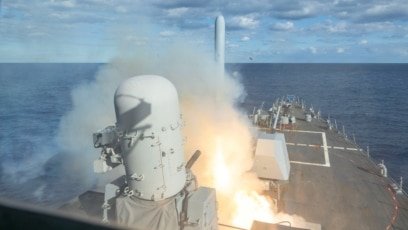
The United States stepped up its military campaign against Iran with a third straight night of airstrikes, while President Donald Trump announced plans to introduce charges for ships using the Strait of Hormuz, a move that could reshape one of the world’s busiest maritime trade routes.
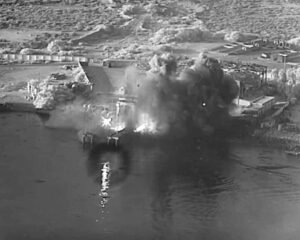
According to the US military, the latest strikes were aimed at degrading Iran’s military capabilities and reducing its ability to threaten commercial vessels and regional security.
The operation follows two previous nights of attacks as Washington intensifies pressure on Tehran.
Trump said the military campaign would continue, insisting Iran no longer has the strength to withstand sustained US attacks.
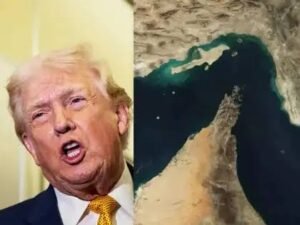
He also proposed a 20 percent tariff on cargo passing through the Strait of Hormuz, arguing that the United States should be compensated for safeguarding the strategic waterway.
The announcement represents a significant shift from Washington’s long-held position that international waterways should remain open without transit fees.
Maritime experts have noted that such a proposal would face legal challenges under international navigation rules.
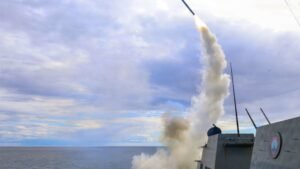
The latest escalation comes after the United Arab Emirates reported that two of its oil tankers were struck by Iranian cruise missiles in waters off Oman.
The attack left one Indian crew member dead and injured eight others, several of whom were said to be in critical condition.
Growing fears over the security of global oil supplies pushed Brent crude prices sharply higher, reflecting concerns that prolonged fighting around the Strait of Hormuz could disrupt energy exports from the Gulf.
Despite an interim agreement intended to create space for negotiations, hostilities between the United States and Iran have continued almost unabated.
Missile and drone attacks have become increasingly frequent, raising doubts over the survival of the temporary truce.
The Trump administration has also informed Congress that renewed military operations against Iran began on July 7, a step it believes allows the president to continue military action under the War Powers Act for up to 60 days without additional legislative approval.
Lawmakers opposed to the conflict have questioned that interpretation, arguing it bypasses Congress’ constitutional role in authorising war.
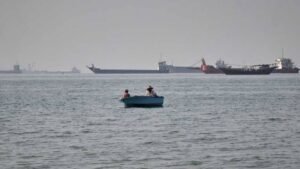
Meanwhile, the US Navy-led Joint Maritime Information Center said enforcement of a blockade on Iranian ports, oil terminals and coastal waters would begin this week.
Ships entering or leaving the restricted zone without approval could be intercepted or detained, although vessels travelling to destinations outside Iran would still be allowed to pass through the Strait.
Iran denounced the US measures, accusing Washington of threatening the stability of global energy markets.
Officials in Tehran maintained that Iran would continue to exercise authority over the Strait of Hormuz and warned that any attempt to challenge its control would be met with resistance.
The International Maritime Organization also reaffirmed its opposition to charging transit fees in international straits, maintaining that such waterways should remain accessible under established international law.
With military exchanges intensifying and diplomatic efforts showing little progress, concerns are growing that the conflict could trigger wider instability across the Middle East and place further pressure on the global economy.
About The Author

















Leave a comment