

By Ollus Ndomu
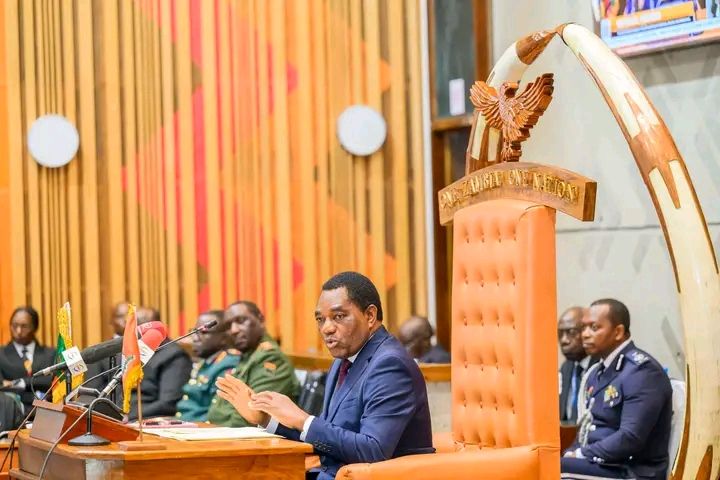
Zambia has unveiled a record K253.1 billion ($9.6 billion) budget for 2026, equal to 27.4 percent of GDP, with officials hailing it as the country’s largest domestically financed plan in history. Finance Minister Situmbeko Musokotwane told lawmakers that K206.5 billion will be raised from local taxes, with K12.1 billion coming from grants and K34.5 billion from borrowing.
Debt servicing will consume more than one-third of the budget. K52 billion has been set aside for domestic debt and K21.7 billion for external debt, a total of K73.6 billion. Officials acknowledged that high interest costs on treasury bills and bonds issued between 2015 and 2021 are straining public finances, even after Zambia restructured 94 percent of its sovereign debt. “This budget reflects both resilience and constraint,” Musokotwane said.
Lawmakers welcomed an increase in the Constituency Development Fund (CDF) to K40 million per constituency, up from K36.1 million. The national envelope now totals K6.2 billion. Since 2022, the fund has financed 2,800 classrooms and 131 health posts. Critics, however, warned that the equal allocation formula fails to reflect population disparities. A constituency like Lusaka Central, with more than 150,000 voters, will receive the same amount as rural districts with fewer than 30,000.
The government earmarked K500 million to establish an Electricity Fund to address energy shortages worsened by drought, which cut hydro output by more than 40 percent. Plans include commissioning a five megawatt thermal plant in Lusaka and completing the Zambia–Tanzania interconnector. Imports of emergency power continue alongside long-term export contracts, fueling public frustration. Analysts called for more transparency through quarterly reporting on imports, exports, and net balances.
Social protection has been allocated K15.7 billion, including K7.65 billion for the Social Cash Transfer program, K1.03 billion for Cash-for-Work, and K1.5 billion for the Food Security Pack. Households will continue to receive K800 monthly, or K1,200 for those with a disabled member. Critics urged the government to ensure timely payments and to link Cash-for-Work to sustainable skills programs.
Education remains a priority, with 2.3 million children enrolled in free primary and secondary schools. The budget provides for the recruitment of 2,000 teachers in 2025 and 3,500 in 2026, alongside 6,000 new bursaries for tertiary students. Since 2022, more than 28,000 students have benefited from bursaries. In health, K6.4 billion is allocated for drugs and supplies, K953 million for equipment, and five new hospitals will be built.
Mining will receive K1.2 billion to support geological mapping and artisanal miners. Copper output rose 30 percent in early 2025 and is expected to approach one million tonnes next year. Despite these gains, the kwacha has fluctuated between K22 and K28 per dollar. The government has bought $322.6 million in gold reserves since 2024 and reported channeling $16 billion in exports into the banking system, reforms it says are stabilizing the currency.
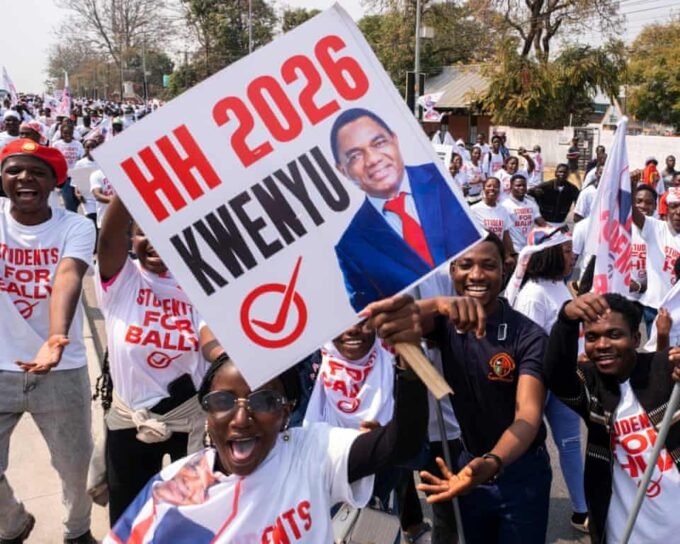
The 2026 general elections will cost K1.19 billion. Observers warned that such spending risks squeezing funds for health and education unless tightly managed. Government pledged amendments to the Anti-Corruption Act and the launch of a Medium-Term Revenue Strategy to strengthen oversight.
Zambia’s 2026 budget reflects cautious optimism built on higher copper production, tax revenues, and restructured debt. But with debt service still absorbing a third of resources, analysts say the test lies not in headline allocations but in whether funds reach classrooms, hospitals, and households on time.
About The Author














Leave a comment