

By: Chioma Madonna Ndukwu
Rising Food and Fuel Costs Deepen Living Struggles in Nigeria
The cost of living in Nigeria continues to climb as increases in food prices combine with rising fuel and energy costs, placing additional pressure on households across the country.
Fresh data released by the National Bureau of Statistics (NBS) shows that food inflation rose to 12.12 percent in February 2026, up from 8.89 percent recorded in January.
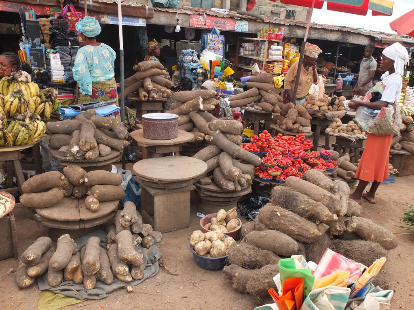
The increase was driven by higher prices for staples such as beans, cassava, yam flour, millet flour, crayfish, and other commonly consumed items.
While the overall inflation rate edged down slightly to 15.06 percent from 15.10 percent in January, the marginal drop has done little to ease the burden on consumers.
On a month-to-month basis, prices actually rose faster in February, highlighting continued pressure on household spending.
At the same time, fuel prices have surged sharply in recent weeks. Petrol now sells for as much as N1,330 per litre in some parts of the country, compared to between N875 and N900 previously.
The increases have been linked to rising global oil prices and recent adjustments by the Dangote Refinery, which pushed up its gantry price multiple times.
Retail fuel prices have followed suit, with major filling stations adjusting pump prices upward. This has led to higher transportation costs nationwide, further increasing the price of goods and services.
Economist Ayo Teriba said the rise in food prices may partly reflect seasonal trends, noting that prices often dip at the start of the year before picking up as economic activity resumes.
However, he cautioned that it is still too early to determine whether the latest increase signals a sustained upward trend or short-term fluctuations.
He also raised concerns about inconsistencies in inflation data, pointing out that past revisions by the NBS have made it harder to establish clear patterns.
Meanwhile, Godwin Oyedokun, a professor at Lead City University, said the slight drop in headline inflation offers little real relief to Nigerians. According to him, the change is too small to make a meaningful difference in everyday living conditions.
He warned that rising food prices are particularly worrying because they account for a large share of household expenses, especially among low- and middle-income earners.
As food costs increase, purchasing power weakens and more families struggle to meet basic needs.
Oyedokun attributed the trend to structural challenges, including high energy costs, insecurity in farming regions, and poor transportation and storage systems.
These issues, he said, are driving up production and distribution costs, which are ultimately passed on to consumers.
He called for stronger government action, including improved security for farmers, better infrastructure, and targeted support for the agricultural sector, stressing that addressing these underlying issues is key to easing the pressure on food prices and improving living conditions.
About The Author






















Leave a comment