

By: Chioma Madonna Ndukwu
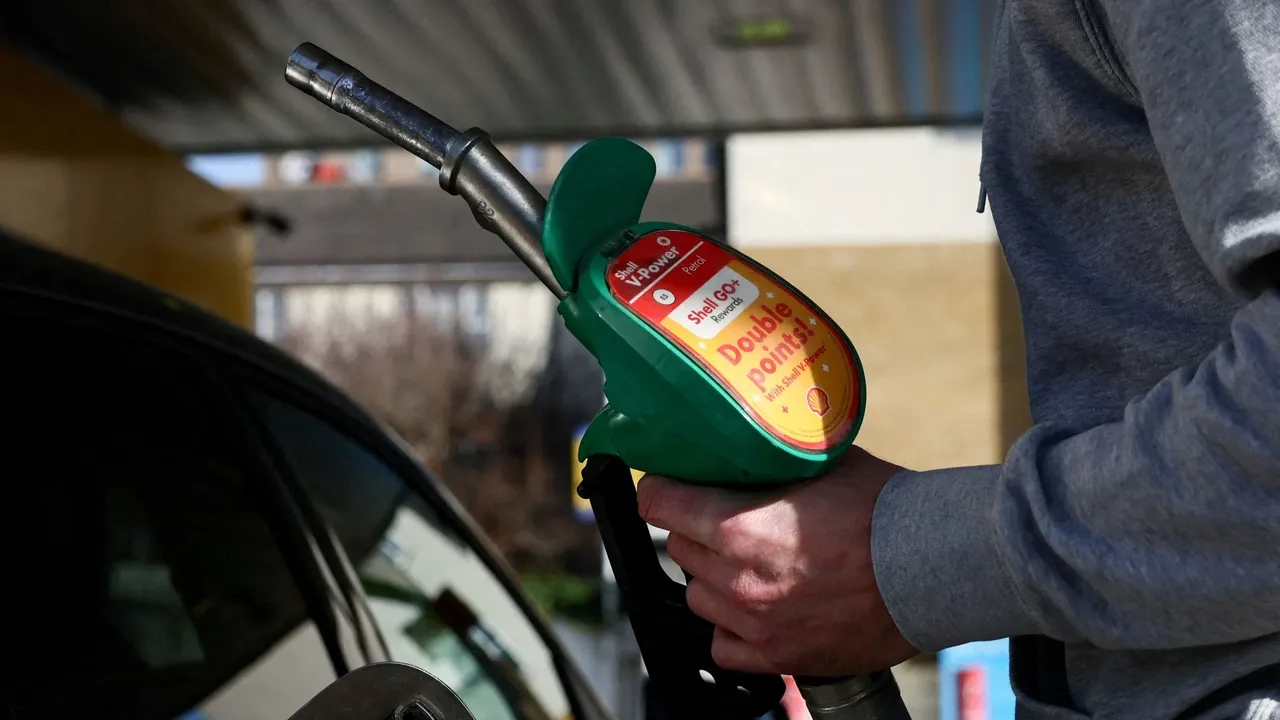
Malawi hikes petrol to $3.89 as Iran conflict rattles supply
African countries are adjusting fuel prices sharply as the ongoing tensions involving Iran continue to strain global oil supply and push energy costs higher, raising concerns about inflation across the continent.
In Malawi, authorities have significantly increased petrol prices to $3.89 per litre following supply challenges. The country’s Energy Regulatory Authority implemented a steep adjustment, with petrol rising by 34% and diesel by 35%, reflecting mounting pressure from international markets.
Many African economies rely heavily on imported refined petroleum, leaving them exposed to global disruptions. The recent surge in oil prices has forced governments to either pass costs on to consumers or introduce temporary relief measures.
In South Africa, the government responded by cutting its fuel levy for a month in an effort to ease the burden on citizens after growing pressure from labour unions and businesses.
Meanwhile, Ghana has adjusted its fuel pricing structure, raising petrol costs by about 15% and diesel by nearly 19% for the first half of April.
President John Mahama indicated that authorities are exploring measures to soften the impact, including a possible supply arrangement with the Dangote Refinery to secure more stable fuel sources.
Elsewhere, Tanzania ihas raised its fuel price cap by roughly a third, while maintaining that supply levels remain stable. Mauritania has also increased fuel prices and is considering support measures such as wage adjustments and direct cash transfers to assist vulnerable households.
In the Horn of Africa, Ethiopia is grappling with fuel shortages that have triggered long queues, highlighting the wider regional strain.
Other countries including The Gambia, Botswana, and Mali have also announced increases in fuel prices as governments scramble to respond to the ripple effects of rising global oil costs.
The wave of adjustments underscores how external shocks in the energy market are quickly translating into domestic economic pressure across Africa, with policymakers now balancing price stability against the risk of social and economic fallout.
About The Author

















Leave a comment