

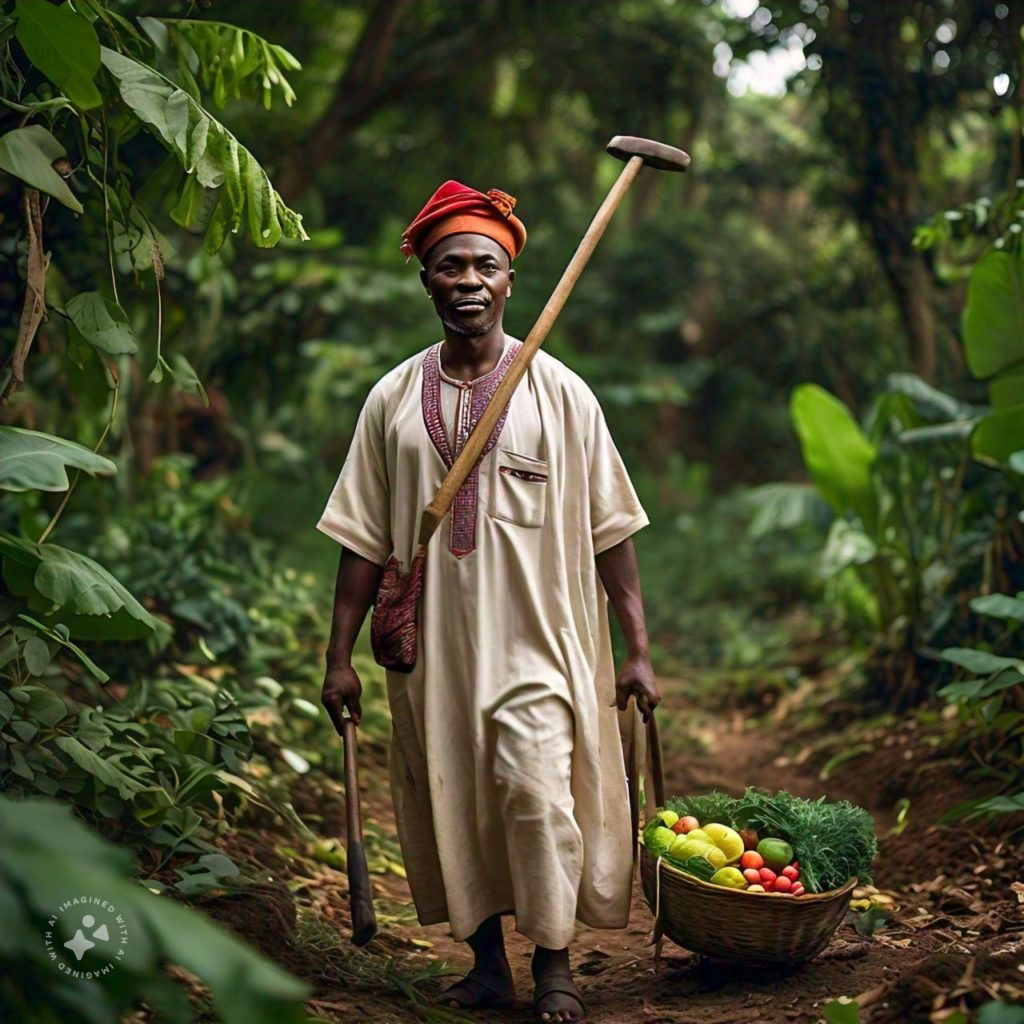
By: Chioma Madonna Ndukwu
Africa’s Talking Drum: The Man Who Kept Borrowing Tomorrow
In the dusty town of Akpata, there lived a man called Baba Sani. Everybody knew him, not because he was rich, not because he was powerful.
But because Baba Sani had a strange habit, he lived every day as though tomorrow owed him a favour. When the harvest was good, he sold almost everything and threw feasts that stretched till cockcrow.
Goat meat roasted in open fire. Palm wine flowed like gossip in market corners. Drummers beat their instruments until old knees remembered forgotten dance steps.
“Life is short!” Baba Sani would shout, laughing loudly. “Why save what tomorrow will provide again?”
People laughed with him. After all, who dislikes free food? When neighbours advised caution, Baba Sani waved them away. “The river that flowed yesterday will surely flow tomorrow,” he liked to say.
Only old Mama Kande shook her head. “The sky teaches patience,” she muttered. “Even the moon disappears before returning.” But Baba Sani never listened.
During planting season, he borrowed grain. During dry season, he borrowed money. During festivals, he borrowed clothes too fine for his own pocket.
Whenever repayment came near, he smiled cleverly.“Tomorrow will settle today,” he would say. And somehow, life kept moving.
Until the year the rains behaved like stubborn guests. They delayed. Then delayed again.
The earth cracked open like old clay pots forgotten in heat. Harvests failed. Palm trees stood tired. Rivers shrank to embarrassed streams.
Suddenly, the lenders arrived. The grain merchant wanted payment. The tailor demanded his money. Even neighbours who once laughed at Baba Sani’s jokes now knocked firmly at his door.
But Baba Sani had nothing. Not grain, not savings, not answers. One evening, villagers saw him sitting beneath the village mango tree staring at empty farmland.
He looked smaller somehow, quieter, Mama Kande sat beside him without speaking for a long while. Finally she sighed.
“My son, tomorrow is like a stubborn goat,” she said softly. “If you keep loading today’s burden on its back, one day it will refuse to move.”
For the first time in many seasons, Baba Sani said nothing. The words entered him like cold water. Slowly, he changed.
He stopped chasing applause. Stopped spending to impress people who disappeared after celebrations.
Stopped treating tomorrow like a servant.
The change was not loud. No miracle happened overnight. But little by little, he rebuilt.
And years later, whenever young men boasted carelessly in village squares, Baba Sani would laugh quietly and tell them:
“A person who keeps borrowing tomorrow may one day wake up and discover tomorrow is already tired.”
Moral: A life built on postponing consequences eventually runs out of excuses.
Comment Hook:Why do people sometimes ignore long-term consequences while chasing short-term comfort or praise?
About The Author


















Leave a comment