

By: Chioma Madonna Ndukwu
Bloodshed in Lebanon as 254 killed, ceasefire teeters and global alarm rises
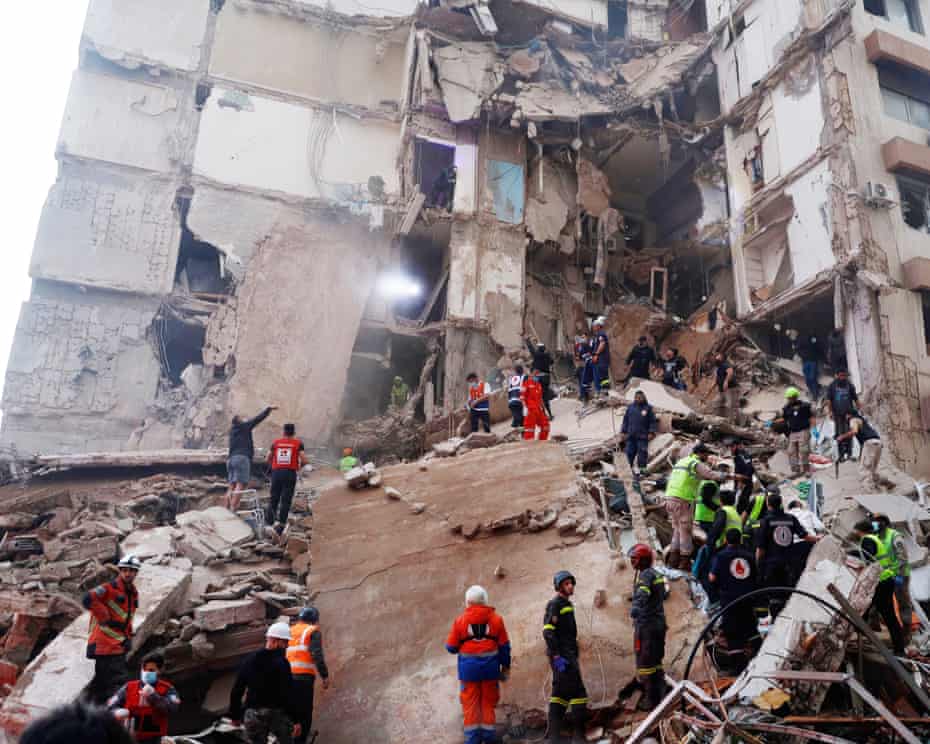
At least 254 people have been confirmed dead following a wave of Israeli airstrikes on Lebanon, a development that has pushed the already fragile US-Iran ceasefire to the brink and triggered widespread international condemnation.
The strikes, which hit parts of Beirut and other populated areas, mark one of the deadliest escalations since the conflict expanded beyond Iran earlier this year.
Emergency responders and Lebanon’s civil defence teams say the death toll could rise further as rescue operations continue in heavily damaged neighbourhoods.
The International Red Cross condemned the scale of destruction, describing the situation as devastating, especially in civilian areas where homes and businesses were reduced to rubble.
The United Nations also warned that continued attacks risk collapsing the delicate truce entirely.
Confusion over the scope of the ceasefire has added to tensions. Iranian officials had suggested that Lebanon was covered under the agreement, but Washington quickly dismissed that claim.
US officials, including Vice President JD Vance, insisted no such guarantee was made, calling any assumption to the contrary a misunderstanding.
Israel, however, has made its position clear. Prime Minister Benjamin Netanyahu said military operations would continue, stressing that the country still aims to weaken Hezbollah’s presence in Lebanon.
In response, Hezbollah reportedly launched rockets into northern Israel, framing the move as retaliation for what it described as ceasefire violations.
On the diplomatic front, Donald Trump maintained that American troops would remain in the region, ready to respond if tensions spiral further.
Meanwhile, Emmanuel Macron has called for Lebanon to be formally included in the ceasefire, warning that excluding it risks fuelling a broader regional war.
The current crisis stems from a rapidly escalating confrontation involving the United States, Iran, and Israel.
Earlier tensions between Washington and Tehran had raised fears of a direct war before both sides agreed to a temporary two-week ceasefire aimed at preventing further escalation.
However, the situation became more complex when Hezbollah, the Iran-backed group based in Lebanon, entered the conflict in early March, launching attacks in support of Iran.
Israel responded with sustained military operations targeting Hezbollah positions across Lebanon.
The ceasefire agreement between the US and Iran was intended to calm tensions, but it did not clearly define the role of other actors like Israel and Hezbollah.
This gap has now become a major fault line, with ongoing strikes in Lebanon exposing the limits of the truce.
Adding to global concern, Iran has hinted at possible disruptions to key oil shipping routes if attacks persist, raising fears of wider economic consequences.
With fresh violence unfolding and diplomatic efforts struggling to keep pace, the crisis is entering a critical phase, with the risk of a broader regional conflict growing by the day.

About The Author

 Kremlin Says Easter Ceasefire With Ukraine Is Meant to Support Peace
  Blind Nigerian Athletes Make History Ahead of World Cup in Armenia
  US and Iran Reach Tenuous Two-Week Ceasefire Amid Rising Tensions
  Fuel Crisis Sparks Nationwide Energy Emergency in Madagascar as Iran War Bites Hard
  Tensions Rise as Iran Fires Back at Trump Over Strait of Hormuz Threat
  Nigeria’s Social Media Activist VeryDarkMan to Sowore: I will send you to prison
  Djibouti Holds Presidential Election as Guelleh Seeks Sixth Term
  Rainstorm Displaces Residents, Damages Over 80 Buildings in Enugu, Nigeria
  Sanusi Emerges Chairman, West Africa Bible Society CEOs Affinity Group