


By: Chioma Madonna Ndukwu
Christian safety in Nigeria draws U.S. attention as policy options emerge
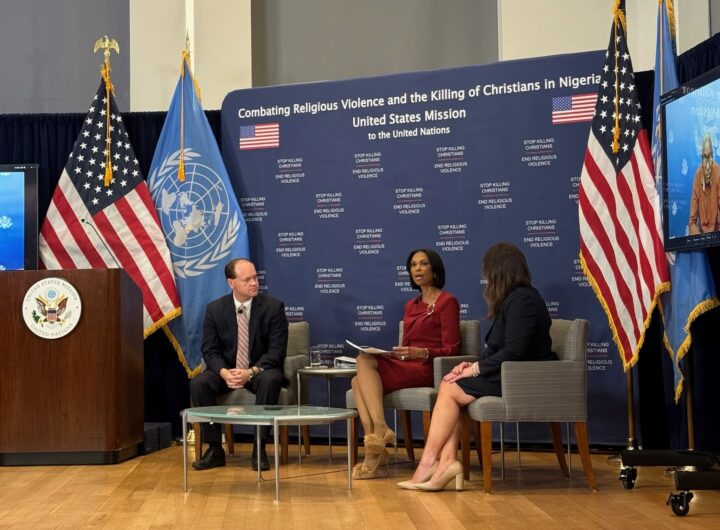
The United States government is preparing possible policy responses following renewed concerns over the safety of Christian communities in Nigeria, even as the Federal Government insists the country’s security crisis is not driven by religion.
U.S. Congressman Riley M. Moore disclosed that the White House would soon be presented with options aimed at addressing alleged persecution of Christians in Nigeria.
Moore said the move follows his recent fact-finding engagement and testimonies presented to U.S. lawmakers on the situation in the country.
In a post on his X (formerly Twitter) account, the congressman said he would brief President Donald Trump on his observations, stressing that allegations of targeted violence against Christians were being taken seriously in Washington.
His comments came in reaction to testimony by Bishop Robert Barron, who told U.S. lawmakers that Christian communities in parts of Nigeria were facing sustained attacks by extremist groups. Moore said the briefing would help shape policy choices on how the U.S. could respond.
“Thank you, Bishop Barron, for drawing attention to the persecution of Christians in Nigeria,” Moore wrote. “I will be briefing the White House very soon to give them options on how best to protect Christians in the country.”
He added that the House Appropriations Committee would soon forward a detailed report to President Trump on Nigeria’s security situation, following the passage of the FY26 National Security, Department of State, and Related Programs bill, which includes provisions on global religious freedom and humanitarian protection.
However, Nigerian authorities have rejected suggestions that the country is facing a religious war.
The Presidency maintained that insecurity in Nigeria cuts across faiths and ethnic lines, warning that framing the crisis as religiously motivated risks deepening national divisions.
The government’s position was restated by Abba Hashim, Senior Special Assistant to the President on Chieftaincy Matters, during a meeting with the Methodist Archbishop of Anambra, Dr. Vincent Onoh, as part of ongoing consultations with religious leaders.
Hashim cautioned against narratives describing Nigeria’s security challenges as genocide or faith-based violence, saying such claims misrepresent realities on the ground.
“What Nigeria needs now is unity,” he said. “Muslims, Christians and even those without religious affiliations are all affected by insecurity. Portraying it as a religious conflict is misleading and dangerous.”
He added that attacks, killings and abductions linked to banditry and insurgency have impacted communities irrespective of religion, particularly in conflict-prone regions across the country.
The differing positions highlight the growing international attention on Nigeria’s security situation, as well as the sensitivity surrounding how the crisis is framed both at home and abroad.

About The Author

 Nigeria Police Confirm Abduction of Worshippers in Kaduna After Initial Confusion
 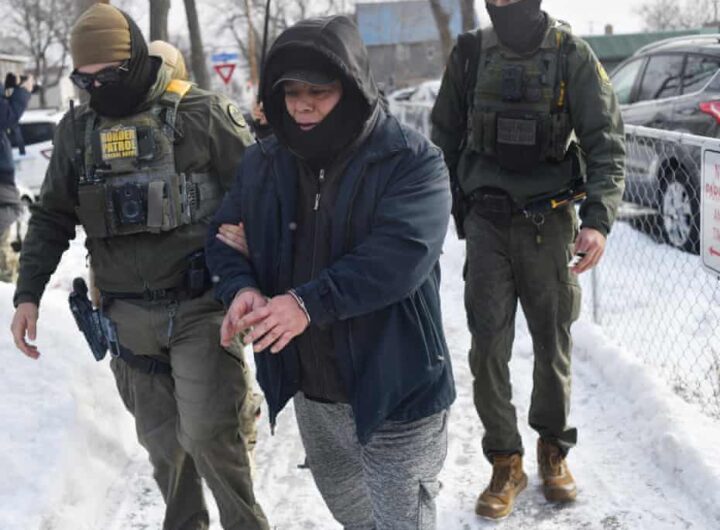 Americans Sue Trump Administration Over ICE Encounters as Protests Rock Minneapolis
 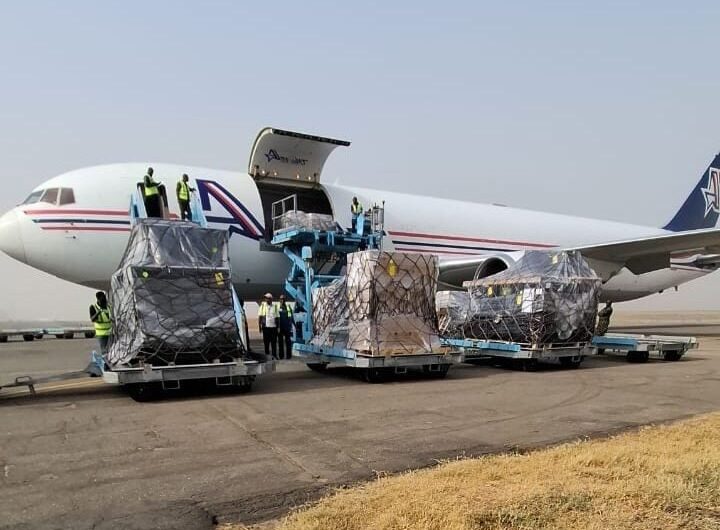 US Sends Strategic Military Support to Nigeria in Fresh Push Against Terror, Banditry
  Gunmen Storm Otukpo Community in Benue State, Kill 4, Many Missing
  Nigeria: Kidnappers Demand ₦400 Million, Food and Drinks to Free 22 Captives in Kwara South
  Burkina Faso Junta Says Assassination Plot Against Leader Has Been Foiled
  Somali Troops Kill Over 130 Militants, Crush Al Shabaab Attack on Kudhaa
  Adeleke Family Fires Back as Adedeji Adeleke Slams Kemi Olunloyo, Threatens Legal Action
  Disability, GBV myths must be demystified through knowledge, support – Experts
  Christian safety in Nigeria draws U.S. attention as policy options emerge