

By: Editor-in-Chief
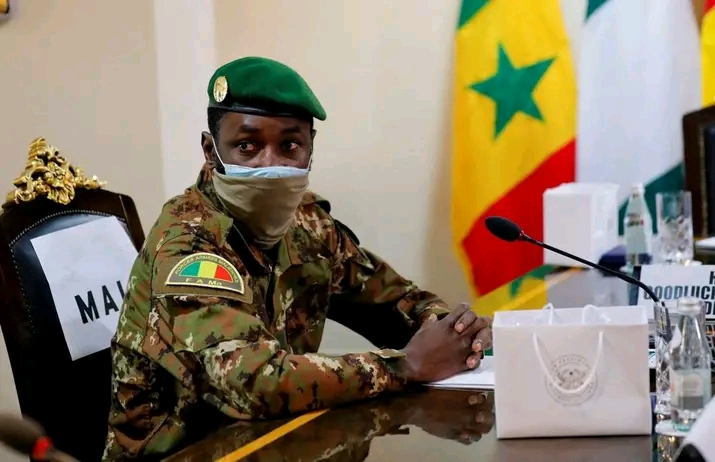
Mali finds itself at a crossroads, grappling with the formidable challenge of reconciling security imperatives with the pursuit of lasting peace. The recent announcement of an investigation into ethnic separatists and jihadist leaders for suspected terrorism and money laundering underscores the intricate tapestry of issues woven into the nation’s socio-political fabric.
Mali’s journey towards stability has been marked by highs and lows, with intermittent peace accords attempting to pave the way for a harmonious coexistence. However, the resurgence of unrest, as evidenced by the rekindled rebellion by Tuareg leaders despite signing a peace deal in 2015, demands a critical examination of the root causes of the ongoing discord.
The north of Mali has become an arena where the army, jihadist forces, and separatist factions engage in a complex race for control of territory. This multifaceted struggle raises questions about the efficacy of existing peace agreements and the underlying grievances that continue to fuel discontent.
The judiciary’s decision to investigate key figures on charges of terrorism and money laundering represents a decisive move to address the escalating security concerns. However, it also raises broader questions about the delicate balance between ensuring national security and upholding the principles of justice.
As Mali confronts these challenges, the international community watches with a vested interest. The West African nation stands as a microcosm of the broader regional dynamics, where issues of terrorism, separatism, and governance intersect.
In this delicate dance between maintaining order and fostering lasting peace, Mali requires nuanced strategies that address the root causes of unrest while ensuring the rights and well-being of its diverse population. The editorial board urges all stakeholders, both domestic and international, to engage in constructive dialogue and collaborative efforts to chart a course toward stability.
The events unfolding in Mali are not isolated but resonate with broader themes of governance, security, and peacebuilding in the region. It is our hope that the current challenges serve as a catalyst for renewed commitment to creating a Mali where the aspirations of its people for security, prosperity, and peace can be realized.
About The Author



















Leave a comment