

By : Chinasaokwu Helen Okoro
Family Feud and Foreign Frontlines: Zuma Sisters Clash Over Alleged Russia Recruitment Plot
South Africa has been shaken by a dramatic and deeply personal political scandal after one of former President Jacob Zuma’s daughters filed a criminal complaint accusing her sister of luring young men into joining Russian mercenary forces fighting in the Russia-Ukraine war. The explosive allegations have ignited a storm of national debate, exposing a tense mix of political rivalry, family conflict and the vulnerability of unemployed young people.
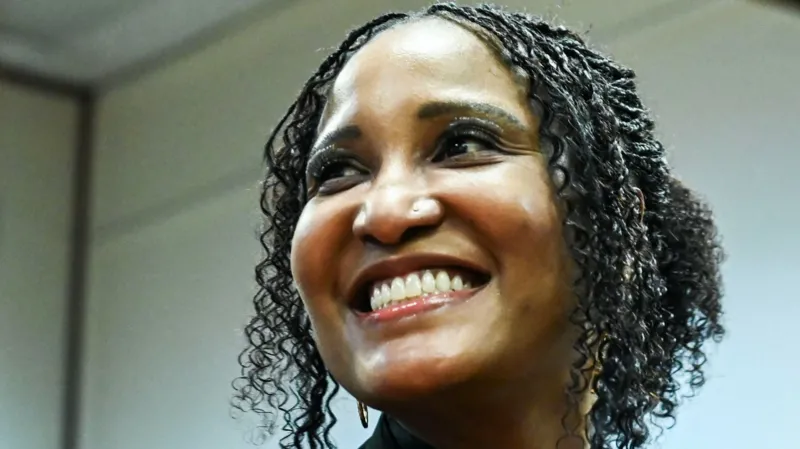
Nkosazana Zuma-Mncube, the elder daughter of the former president, approached the police this week, alleging that her sister, Duduzile Zuma-Sambudla, played a central role in a recruitment scheme that targeted men from South Africa and neighbouring Botswana. According to Zuma-Mncube’s sworn statement, Duduzile—an MP and a prominent figure in their father’s political party, Mkhonto Wesizwe (MK)—worked with two accomplices to deceive at least 17 men into believing they were travelling to Russia for bodyguard training
Instead, the men allegedly found themselves entangled with Russian mercenary groups fighting on the frontlines of the ongoing Russia-Ukraine conflict.
“These young men were misled, exploited and placed in grave danger under false pretences,” Zuma-Mncube said, adding that she felt a “moral obligation” to report her sister to the authorities. “I could not ignore what I know. It is a matter of conscience.”
South African police have confirmed that an investigation is underway, though they declined to provide further details. Duduzile Zuma-Sambudla, 43, has not publicly responded to the allegations and did not reply to the BBC’s requests for comment.
This is not the first time South African officials have dealt with distress calls from citizens linked to foreign combat forces. Earlier this year, the government revealed that 17 South Africans had appealed for help after becoming trapped in mercenary units in the Russia-Ukraine conflict. Authorities said the men were recruited with the promise of high salaries and stable employment—an enticing offer in a country where unemployment has hovered above 30% for years. Among the youth, joblessness remains even more severe, leaving many susceptible to exploitation.
Analysts say the latest allegations highlight how economic desperation is feeding a dangerous pipeline that leads vulnerable young men straight into global conflict zones.
“If these claims are proven true, it shows the extent to which foreign actors and local intermediaries can manipulate economic hardship to draw recruits,” said Dr. Sihle Mbatha, a political analyst at the University of Johannesburg. “It’s a wake-up call for the state.”
The accusations against Zuma-Sambudla also arrive at a particularly sensitive time in her political career. She is already entangled in a separate court case involving terrorism-related charges tied to deadly unrest in July 2021. The chaos erupted after Jacob Zuma was arrested for refusing to participate in an inquiry into corruption during his presidency. The week-long violence—marked by looting, arson and mob attacks—left more than 300 people dead.
Prosecutors accuse Zuma-Sambudla of using her social media platforms to inflame tensions, urging supporters to resist her father’s incarceration. She has repeatedly denied wrongdoing, claiming the charges are part of a politically motivated campaign to silence her influence within the MK party.
Jacob Zuma, whose turbulent presidency ended in 2018 amid corruption allegations, has since re-emerged as a key political force. Last year, his MK party stunned observers by placing third in national elections, drawing strong support from disillusioned voters seeking change.
Now, the family that once projected unity during his years in power finds itself fractured in public view.
As investigators dig deeper into the Russia recruitment allegations, South Africans are bracing for a political saga that could reshape not only the Zuma family’s legacy but also the national conversation about foreign mercenary networks and the economic desperation driving young citizens into their arms.
About The Author










Leave a comment