

By: Chioma Madonna Ndukwu
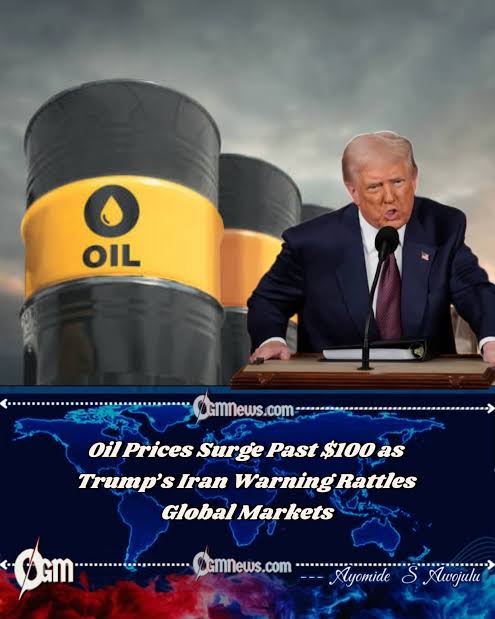
Global Markets Rally as Trump Extends Iran Truce, Oil Hovers Near $100
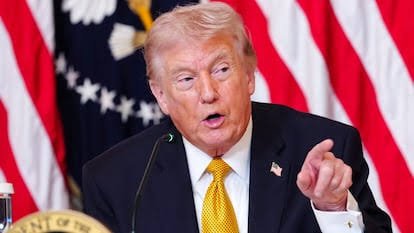
Global financial markets showed cautious optimism on Wednesday after U.S. President Donald Trump announced an indefinite extension of the ceasefire between the United States and Iran, even as tensions in the region continue to cloud the outlook for energy supplies.
U.S. stock futures edged higher, with gains recorded across major indices as investors responded positively to the temporary easing of geopolitical tensions.
However, the situation remains fragile, particularly with the continued closure of the Strait of Hormuz—a critical route through which a significant portion of the world’s oil supply passes.
Despite the ceasefire extension, uncertainty lingers over whether Iran or U.S. ally Israel will formally commit to the truce. Tehran had earlier rejected renewed negotiations, raising doubts about the durability of the arrangement.
While equities climbed modestly, broader market reactions were relatively restrained. Analysts note that investors had already priced in expectations of a prolonged ceasefire, limiting the immediate impact of Trump’s announcement.
Across Asia, markets showed mixed performance. Regional indices pulled back slightly after recent gains, even as Japan, South Korea, and Taiwan recorded strong rallies driven largely by sustained interest in artificial intelligence stocks.
Currency markets also reflected a cautious tone. The U.S. dollar, which had surged during earlier phases of the conflict due to safe-haven demand, softened slightly as risk appetite improved.
Oil prices continue to hover near the $100 mark, reflecting ongoing concerns about supply disruptions. Brent crude traded just below $100 per barrel, while U.S. West Texas Intermediate crude remained close to $90.
The sustained closure of the Strait of Hormuz has effectively tightened global supply, triggering what analysts describe as a lingering energy shock. The waterway typically handles roughly a fifth of global oil shipments, making its status a key factor for markets.
Although prices have eased from their peak levels in March, they remain significantly higher than pre-conflict levels—raising fears of renewed inflationary pressures worldwide.
Market watchers say the next major trigger will likely be any development regarding the reopening of the Strait or a formal peace agreement. Until then, volatility is expected to persist.
Investors are also closely monitoring developments in U.S. monetary policy, particularly as Federal Reserve leadership discussions unfold.
The intersection of geopolitical uncertainty and inflation concerns could shape global financial conditions in the coming months.
For now, markets appear to be cautiously betting on stability—but with the situation in the Middle East still unresolved, that confidence could quickly be tested.
About The Author

















Leave a comment