

By: Chioma Madonna Ndukwu
Nigeria’s Cry Is Louder Than Akara
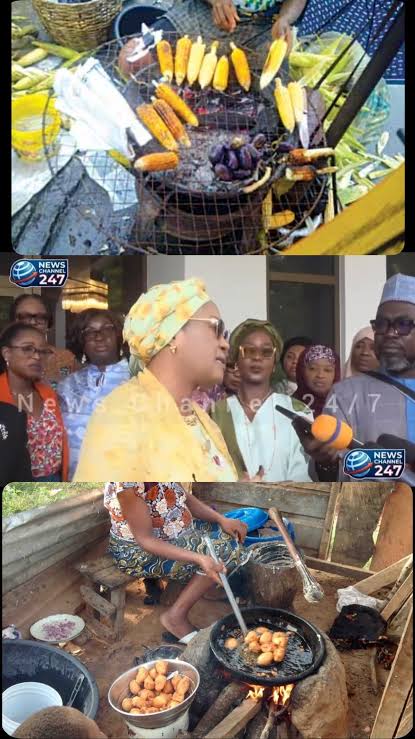
“We’re trying to give hope, and to start akara business doesn’t take a lot of money. To start roasting corn… or kuli-kuli doesn’t take much.”
Some statements fade before sunset. Others become mirrors that force a nation to look at itself. When First Lady Oluremi Tinubu suggested that Nigerians could find opportunity in selling akara, roasted corn and kuli-kuli, she probably intended to encourage resilience.
Instead, she unintentionally opened a window into the widening distance between government optimism and the daily reality of millions of Nigerians.
There is dignity in selling akara. There always has been. Long before shopping malls and food delivery apps, women stood beside smoking pans before sunrise, feeding families, paying school fees and proving that honest work could build respectable lives.
That has never been in dispute. What Nigerians are questioning is why the conversation appears to stop at survival when the country is crying out for something much bigger.
Afrobeats singer Mr Real declared that he would rather become a bandit than sell akara or kuli-kuli. His statement was reckless and deserves condemnation.
Yet beneath the outrage sits an uncomfortable reality: when frustration grows unchecked, even dangerous ideas begin to sound like desperate protests.
Step away from X, Instagram and television debates, and another Nigeria comes into view.
Before dawn tomorrow, a farmer will step onto his land carrying more fear than farming tools because the road to his farm has become a corridor of uncertainty.
Somewhere else, a graduate will refresh another job website before leaving home to search for work that may never come.
Transport fares will rise again. Market prices will climb again. Life, for millions, will begin with another calculation of what must be sacrificed today.
Tonight, somewhere in Nigeria, a family will leave one chair untouched at the dinner table. Not because a child has travelled, but because that child is somewhere in the bush, waiting for strangers to decide when home will become possible again.
Recent attacks on schools, including the abduction of students writing examinations and the killing of teachers, have left communities asking whether classrooms are still places of learning or places of danger.
Farmers across several states continue to face kidnapping threats, forcing many to abandon their farms and worsening food shortages.
Every farmer driven from the land pushes food prices a little higher. Every child kept out of school steals a little more from Nigeria’s future.
The statistics tell one story. The people tell another, just as the interview with AfricaWorld News reveals:
Musa Ibrahim, an entrepreneur in Gwoza, Borno, speaking in a voice that has grown tired from carrying too much fear.
“Every morning, my wife packs our children’s school bags, but we no longer wave them goodbye with peace of mind. We wait until they return before we can truly breathe again. We used to fear poor harvests. Now we fear phone calls demanding ransom.”
His words carry fear that describe echoes, the lived experiences reported by many communities affected by insecurity.
“Life has become a struggle. Insecurity has taken away our peace, and hardship has taken away our comfort. Many families have lost their means of livelihood, children have missed years of school, and even simple things like going to the market or visiting relatives now require courage. We keep hoping for the day we can live without fear.”
The same anxiety travels hundreds of kilometres south.
Picture a farmer named Adebayo Adeyemi in Oyo looking across a field that should have been full of promise.
“The land is still fertile. What has changed is the journey to it. Before I think about fertilizer or rainfall, I think about whether I will return home. Some of my neighbours have stopped farming altogether because they cannot survive another ransom demand.”
These voices reflect the fears expressed across farming communities where insecurity has turned cultivation into a gamble.
Those conversations matter because statistics rarely cry. People do.
As Chinua Achebe famously observed, “The trouble with Nigeria is simply and squarely a failure of leadership.” Whether one agrees entirely with those words or not, they return whenever citizens begin to feel that those who govern are speaking a different language from those struggling to survive.
No one is mocking akara. No one is saying roasted corn is beneath anyone. The woman selling akara is not asking government to fry the bean cakes for her.
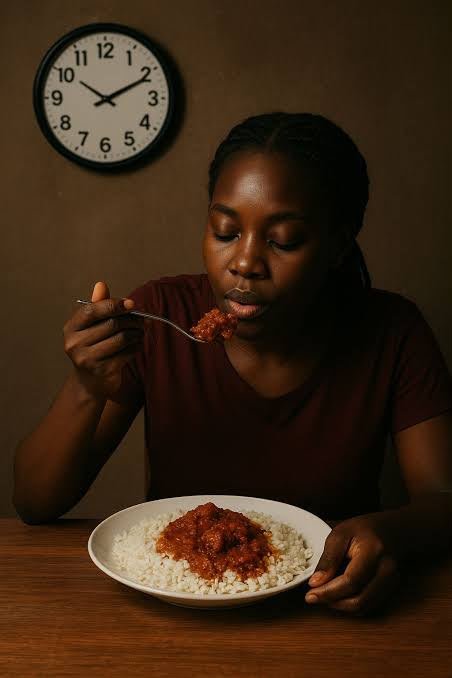
She is asking for beans she can afford to buy, roads she can travel without fear, electricity that does not consume her profits, customers whose incomes have not been eroded by inflation, and a country where her children can dream beyond merely inheriting her frying pan.
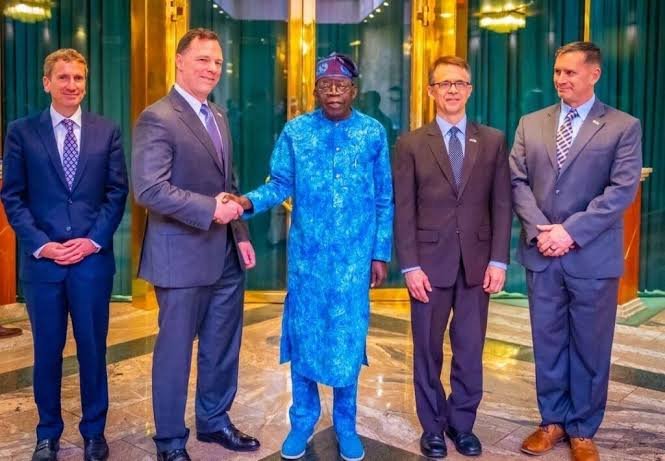
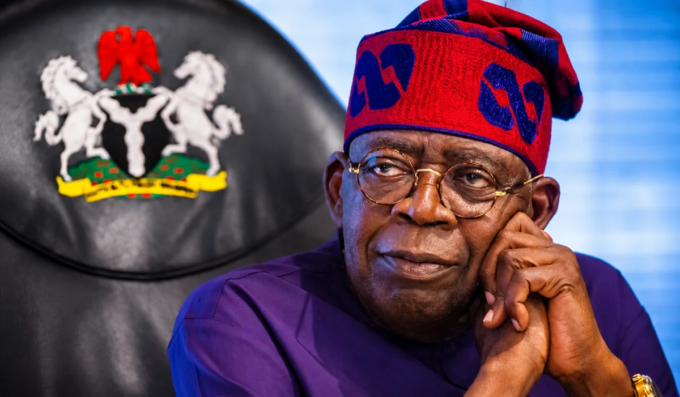
President Bola Tinubu’s administration came into office promising renewed hope. Hope, however, is not sustained by slogans alone.
It grows when farmers return safely from their fields, when children return safely from school, when businesses can breathe under stable economic conditions and when young Nigerians believe that honest work still offers a pathway to dignity.
Nelson Mandela once said, “Overcoming poverty is not a gesture of charity. It is an act of justice.” Justice, in today’s Nigeria, extends beyond the courtroom.
It is found in secure communities, affordable food, meaningful employment and institutions that protect ordinary people as faithfully as they protect those in power.
Perhaps that is why the akara debate refuses to disappear. It was never really about akara. It was about a nation asking to be heard.
Because Nigeria’s loudest cry today is not for another survival lesson. It is for security. It is for opportunity. It is for leadership that confronts hunger with policies, insecurity with action and despair with results.
History will not remember whether Nigerians were advised to sell akara. It will remember whether their leaders built a country where honest labour could once again guarantee a decent life. Only then will hope sound less like a promise and more like a reality.
About The Author











Leave a comment