

By: Chioma Madonna Ndukwu
Your Ears Never Asked for a Cotton Bud
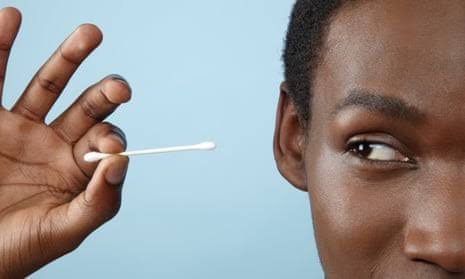
There is a moment that plays out in bathrooms across the world every single day. The shower is over. The mirror has cleared. You reach for the towel, then almost instinctively for a cotton bud
A gentle twist inside each ear follows, and somehow it feels as though the day cannot properly begin until that tiny stick has done its job.
But what if that tiny ritual has been built on one big misunderstanding?
For generations, many people have treated earwax as something dirty that must be removed. Medicine tells a different story. Earwax, medically known as cerumen, is one of the body’s natural protectors. It traps dust, bacteria, fungi and tiny insects before they travel deeper into the ear. It also moisturises the ear canal, preventing dryness and irritation.
Even more fascinating is the fact that the ear comes with its own cleaning system. Every time we chew, smile, yawn or talk, tiny jaw movements gradually push old wax towards the outer ear, where it dries up and falls away naturally.
In other words, healthy ears are already equipped with their own housekeeping service.
That is why the World Health Organization (WHO) advises against inserting cotton buds or other objects into the ear canal. According to the organisation, doing so can push wax deeper into the ear instead of removing it, increasing the risk of impacted wax, infections, injury to the ear canal and, in severe cases, a perforated eardrum.
The recommendation is reinforced by the American Academy of Otolaryngology, Head and Neck Surgery, whose clinical guideline on earwax care explains that cotton-tipped swabs often compact earwax instead of removing it.
The academy’s advice has become one of the best-known sayings in ear care: “Never put anything smaller than your elbow into your ear.”
The United Kingdom’s National Health Service (NHS) offers similar advice, warning that inserting cotton buds into the ears may push wax farther inside and can damage both the ear canal and the eardrum. Instead, the NHS recommends leaving the ear’s natural cleaning process undisturbed unless there is a medical reason for treatment.
Dr. Tiffany Chao, an otolaryngologist at the University of Pennsylvania, says many people are surprised to learn that a cotton bud may come out with visible wax while actually pushing much of it deeper into the ear canal. Over time, this may lead to impacted earwax, discomfort, temporary hearing loss, ringing in the ears and the need for professional removal.
There is another irony many people never notice. Even manufacturers of cotton buds often advise users not to insert the product into the ear canal.
Yet millions continue to do exactly that. It is a reminder that habits can outlive warnings, especially when they have been passed from one generation to the next.
This is not a Nigerian habit alone. Whether in Lagos, Kenya, Egypt, London, Sydney, Mumbai or New York, ear specialists continue to see patients whose ear problems began with what seemed like a harmless attempt at cleaning. The same tiny stick. The same avoidable mistake.
The good news is that healthy ear care is refreshingly simple. Clean only the outer ear with a soft, damp cloth and allow nature to do the rest.
If you experience persistent ear pain, hearing loss, discharge, bleeding or a blocked sensation, resist the temptation to reach for another cotton bud. Instead, seek help from a qualified healthcare professional.

Did You Know?
Earwax is slightly acidic. That natural acidity helps slow the growth of bacteria and fungi, making earwax part of the ear’s own defence system rather than a sign of poor hygiene.
Take This With You
We often think good health comes from doing more, more cleaning, more scrubbing, more effort. Yet the body teaches a different lesson. Some of its finest work happens when we simply allow it to do what it was designed to do.
The next time a cotton bud catches your eye after a shower, pause for a second. “Your ears never asked for it.”
About The Author




















Leave a comment