

By: Chioma Madonna Ndukwuu
Postpartum Psychosis: The Hidden Battle African Mothers Should Not Fight Alone
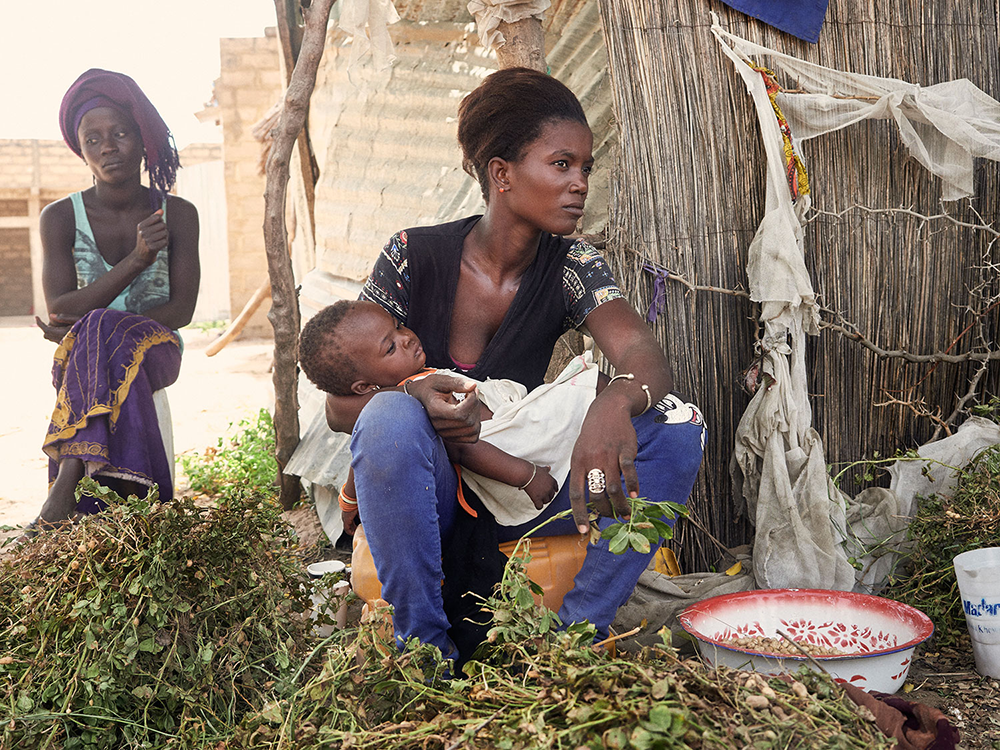
Childbirth is often painted as a joyful dawn, the soft cries of a newborn, the warmth of family, and the sacred glow of motherhood. But for some women, the sun dims too soon.
In place of laughter and lullabies, shadows creep in, whispers of fear, confusion, and despair. This hidden struggle is known as postpartum psychosis, a medical condition too often mistaken for madness, witchcraft, or the mysterious “ogbanje” spirit.
Across Nigeria and many African societies, a woman showing strange behaviour after childbirth is often branded as possessed, cursed, or paying for ancestral sins.
Her community withdraws, her family hides her, and prayers replace medical attention. Yet, behind these myths lies a serious mental health emergency that needs understanding, not stigma.
“Postpartum psychosis is not a spiritual attack. It is a medical condition that requires urgent psychiatric care,” says Dr. Aisha Abdullahi, a consultant psychiatrist at the University of Lagos Teaching Hospital. “The tragedy is that many women die or are abandoned because their symptoms are misinterpreted.”
The illness, though rare, can occur within days or weeks after delivery. Symptoms may include hallucinations, extreme mood swings, confusion, loss of touch with reality, and even suicidal thoughts. “It’s like a storm in the mind,” explains Dr. Sarah Byaruhanga, a Ugandan psychologist and maternal health advocate. “One moment, the woman is smiling; the next, she’s speaking to unseen figures or expressing fear that her baby will be taken away by spirits.”
In communities where mental health remains shrouded in superstition, this sudden change is quickly linked to ogbanje, the mythical child believed to move between the world of the living and the spirits.
The woman, rather than being helped, becomes the subject of gossip and fear. “I was told I had an evil child, that I’d been cursed,” recalls a Nigerian mother who battled postpartum psychosis after her first delivery. “They brought pastors, prophets, and herbs, but no one thought of a doctor.”
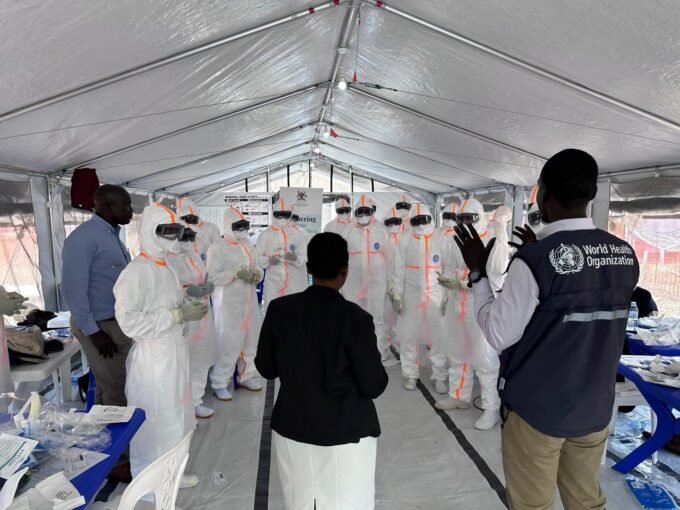
Globally, the World Health Organization (WHO) estimates that one in every 1,000 women experiences postpartum psychosis. According to Dr. Margaret Chan, former Director-General of WHO, “Maternal mental health is a cornerstone of family wellbeing. When a mother suffers, the whole household trembles.”
Indeed, the ripple effect of untreated postpartum psychosis goes beyond the mother. Babies can be neglected, relationships strained, and families torn apart. Yet, healing is possible. With prompt medical treatment, usually involving medication, therapy, and strong family support, full recovery is within reach.
“Early detection saves lives,” says Dr. Benjamin Osei, a Ghanaian psychiatrist with the Accra Mental Health Foundation. “Families should be educated to recognize early warning signs instead of attributing them to demons or spiritual warfare.”
Still, ignorance and fear remain deep-rooted. In many African homes, discussions about mental health are hushed. “We whisper about depression as if silence will cure it,” says mental health advocate Oluwatoyin Bakare, founder of MindMothers Africa. “But silence only feeds stigma, and stigma kills.”
Health experts insist that community awareness is key. Churches, mosques, traditional institutions, and media outlets all have a role to play in demystifying postpartum psychosis. The conversation must move from shame to support, from ridicule to recovery.
As the African proverb says, “The child that is not embraced by the village will burn it down to feel its warmth.” Likewise, when mothers suffering from postpartum psychosis are left in the cold shadows of stigma, they lose hope and sometimes, their lives.
Every mother deserves understanding. Every new life deserves a healthy beginning. The next time a woman’s behaviour seems strange after childbirth, let compassion, not condemnation, lead the way. Seek medical help. Offer a hand, not a label. Because behind those trembling eyes is not a witch or an ogbanje, but a mother silently crying for help. “There is no health without mental health.” — Dr. Gro Harlem Brundtland, former WHO Director-General
About The Author



















Leave a comment