


By : Chinasaokwu Helen Okoro
Sweden Considers Lowering Age of Criminal Responsibility to 13 Amid Rising Gang Recruitment of Children
Sweden is weighing a controversial proposal to lower the age of criminal responsibility from 15 to 13, as authorities struggle to curb a wave of gang-related violence increasingly driven by children and teenagers.
The move, still under debate, reflects growing concern that criminal networks are deliberately exploiting minors who are legally shielded from prosecution to carry out serious crimes, including drug trafficking, armed robberies and contract killings.
For decades, Sweden’s justice system has been built on the principle of rehabilitation rather than punishment, especially for young offenders. Children under 15 cannot be criminally prosecuted; instead, they are handled through social services. But in recent years, police and prosecutors say gangs have learned to manipulate this system, recruiting children as young as 11 or 12 to act as couriers, lookouts and, in some cases, shooters.
According to Swedish law enforcement officials, minors are attractive to criminal groups because they face fewer legal consequences and are often more easily influenced. Many are drawn in through promises of quick money, protection or a sense of belonging. Social media has also made recruitment faster and more ruthless, with gangs advertising “jobs” and issuing threats online.
The proposed reform would allow the justice system to hold 13- and 14-year-olds criminally responsible in limited circumstances, particularly for serious and violent crimes. Supporters of the plan argue that it would remove a key incentive for gangs to use children and send a strong signal that society will no longer tolerate the exploitation of minors for criminal purposes.
“Organised crime has changed,” proponents say. “Our laws must change with it.” They argue that lowering the age threshold would give police and prosecutors more tools to intervene early, potentially preventing young offenders from sinking deeper into criminal life.
However, the proposal has sparked fierce debate across Sweden. Child rights advocates, legal experts and social workers warn that lowering the age of criminal responsibility could do more harm than good. They argue that children involved in crime are often victims themselves — of poverty, family breakdown, abuse or neglect and that criminalising them risks pushing them further toward gangs rather than away from them.
Critics also point to international conventions on children’s rights, which emphasise protection, rehabilitation and reintegration over punishment. They fear that exposing younger teenagers to the criminal justice system could stigmatise them for life, increasing the likelihood of reoffending.
“There is a danger of confusing symptoms with causes,” one child welfare expert noted. “Gangs recruit children because they are vulnerable. Punishing those children does not address why they were vulnerable in the first place.”
The government insists that any change would be accompanied by safeguards, including specialised youth courts, shorter sentences and a strong focus on rehabilitation. Officials also stress that lowering the age of criminal responsibility would be only one part of a broader strategy that includes tougher action against gang leaders, increased police powers, and expanded social programmes in high-risk communities.
Sweden has already introduced a range of measures aimed at tackling gang violence, from stricter gun laws to expanded surveillance and harsher penalties for adults who recruit minors. Authorities say the latest proposal is driven by urgency, as shootings and bombings linked to organised crime continue to shock the nation and erode its long-standing reputation for safety.
As the debate continues, Sweden finds itself at a crossroads, balancing its commitment to children’s rights with the demand for public safety and justice. Whether lowering the age of criminal responsibility will deter gangs or deepen the cycle of violence remains a central question — one that lawmakers must answer under intense public scrutiny.

About The Author

 Nigerian Troops Storm Turji Camps, Kill Scores of Bandits in Northwest Offensive
  Several Killed as IED Blast Rocks Niger Community, Bridge Destroyed
  Scores Feared Dead as Suspected Bomb Blast Tears Through Kwara Community
  Nigeria: Obi Slams Tinubu Over Maiduguri Blasts, Rising Insecurity
  US Deepens Military and Intelligence Cooperation With Nigeria Amid Rising Security Threats
 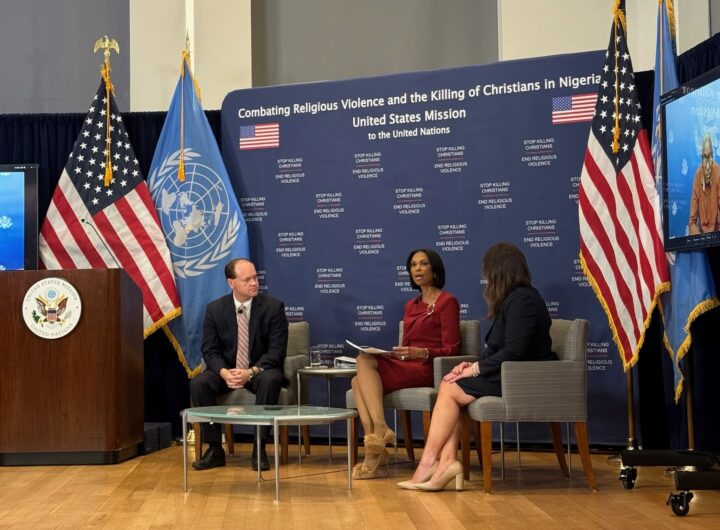 Christian safety in Nigeria draws U.S. attention as policy options emerge
  Parties Revolt Against Tinubu’s Electoral Act, Seek Amendments
  13 Dead, Hundreds Injured: US Steps Up Military Presence in Middle East
  Oil Prices Climb as Iran Rejects US Talks, Renewing Supply Concerns