

Thousands Return Home as Anti-Immigrant Pressure Mounts in South Africa
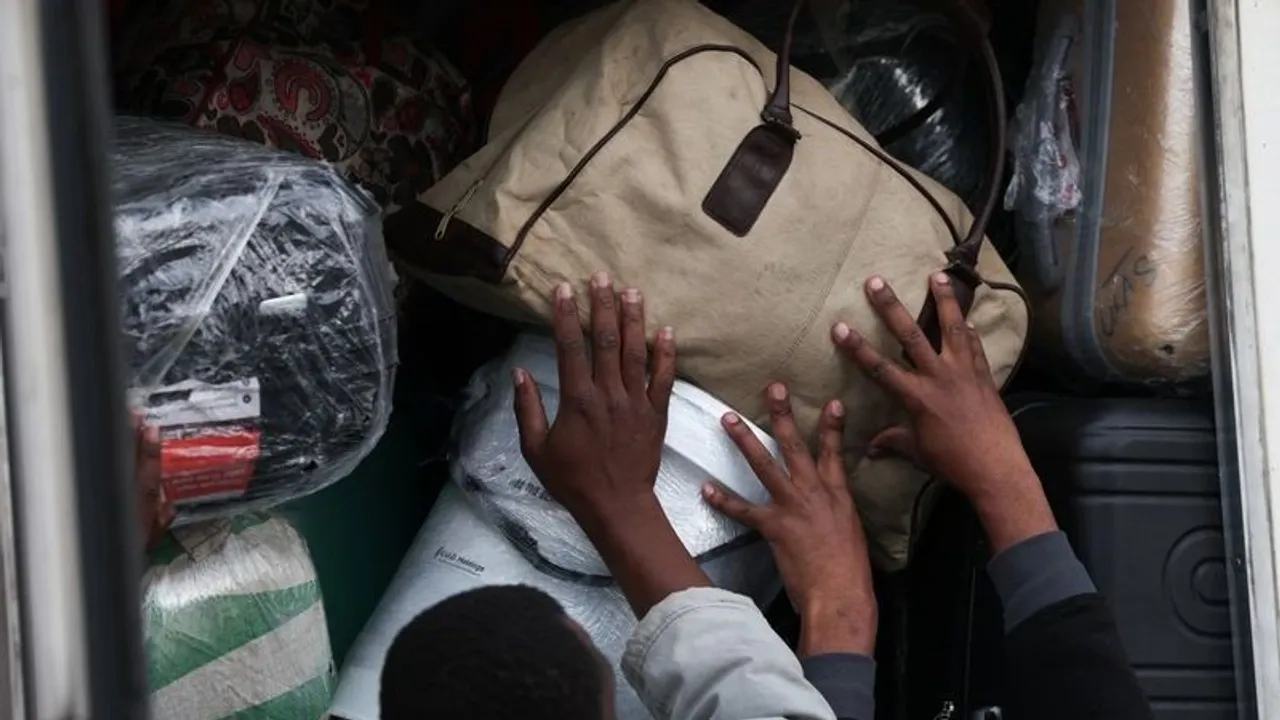
More than 25,000 foreign nationals have been repatriated from South Africa in the past few weeks as mounting anti-immigrant tensions continue to force thousands to leave the country.

South African authorities disclosed the latest figures on Monday, saying the departures have accelerated ahead of an unofficial June 30 ultimatum issued by groups campaigning against illegal immigration.
Although the deadline has no legal status, it has fuelled uncertainty among undocumented migrants and prompted several African governments to begin voluntary evacuation efforts for their citizens.
Nigeria, Ghana, Malawi, Zimbabwe and Mozambique are among the countries that have organised flights and road transport to bring their nationals home following weeks of demonstrations and growing hostility toward foreigners.
The National Joint Operational and Intelligence Structure (NATJOINTS), the body coordinating South Africa’s security response, said the repatriation exercise is still underway, with additional security personnel, K9 units and air support deployed to monitor developments.
The latest update shows a sharp rise in departures. Just days earlier, authorities had reported that about 15,000 Malawians had been processed for return, while hundreds of Nigerians and Ghanaians had already been flown back to their respective countries.
Meanwhile, anti-illegal immigration groups have continued to stage marches in different parts of the country, insisting that undocumented migrants should leave South Africa.
In some communities, reports indicate that groups have moved through neighbourhoods demanding identification documents from foreign residents and urging them to leave.
Police confirmed that four people have died during the recent unrest. The victims were identified as two Mozambicans, one Ethiopian and one Malawian.
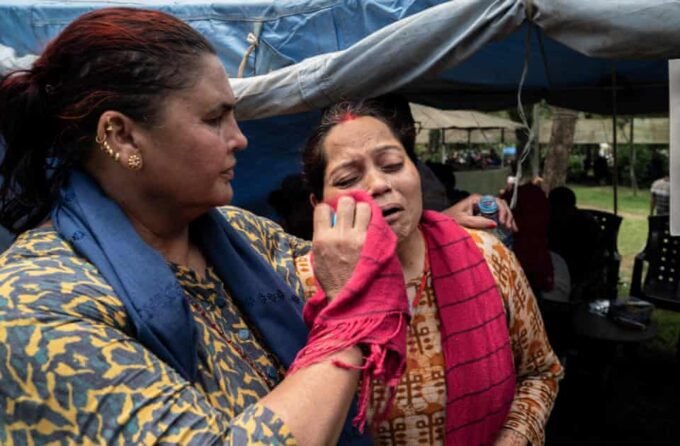
As fears of further violence spread, thousands of migrants have gathered at temporary collection centres in Durban, Cape Town and Johannesburg, waiting to be transported to their home countries.
South Africa has long attracted migrants from across the continent because of its relatively developed economy and employment opportunities. However, the country continues to battle high unemployment, with more than 30 percent of its workforce out of jobs.
This has repeatedly fuelled anti-foreigner sentiments, with some citizens blaming migrants for unemployment and pressure on public resources.

The latest developments revive memories of previous xenophobic attacks, particularly the deadly 2008 violence that claimed 62 lives and displaced thousands of foreign nationals, leaving many across the continent worried that history could repeat itself.
About The Author















Leave a comment