

By : Chinasaokwu Helen Okoro
Video Games and Children: A Practical Guide for Parents
In today’s digital world, video games have become a central part of many children’s lives. From fast-paced action adventures to creative building platforms, games offer entertainment, challenge, and social connection.
But as gaming becomes more immersive, parents face important questions about its impact on their children’s development. By understanding the benefits, potential risks, and the importance of setting healthy boundaries, parents can guide their children toward balanced and positive gaming habits.
The Benefits of Gaming
Video games are often seen as a distraction, but many titles offer meaningful benefits. Puzzle, strategy, and adventure games encourage critical thinking, problem-solving, and quick decision-making. Games that require players to analyze situations, make strategic moves, and adapt under pressure can strengthen cognitive skills in engaging ways.
Multiplayer games also promote teamwork and communication. Children learn to cooperate, negotiate roles, and work toward shared goals with peers, both online and offline. Some games introduce players to history, science, or storytelling through interactive experiences, turning learning into play. Educational games can boost memory, language development, and math skills while keeping children motivated.
For shy or introverted children, online gaming can offer a safe environment to connect with others. It can build confidence, improve social interaction skills, and provide a sense of belonging in virtual communities.
—
Recognizing Potential Risks
Despite these advantages, video games can pose real challenges when not managed carefully. One major concern is excessive screen time. Spending too many hours in front of a screen can interfere with sleep, physical activity, and academic performance. It may also encourage sedentary habits, increasing the risk of health issues like obesity.
Content is another key issue. Some games feature violence, explicit language, or themes inappropriate for young audiences. Prolonged exposure to such content may influence behavior, normalize aggression, or desensitize children to violent imagery. Online gaming environments also expose children to cyberbullying, scams, and interactions with strangers, all of which can carry emotional or safety risks.
Additionally, gaming can become addictive for some children. When games dominate their time and attention, it can lead to neglect of schoolwork, household responsibilities, or real-world social interactions.
—
Setting Clear Boundaries
Parents play a crucial role in shaping healthy gaming habits. Establishing clear rules about when and how long children can play helps create structure and prevents overuse. The American Academy of Pediatrics recommends limiting recreational screen time to one to two hours per day for school-aged children, while ensuring that homework, sleep, and physical activity remain priorities.
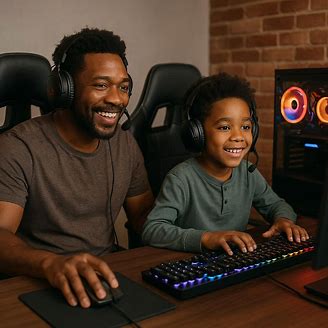
Equally important is parental involvement. Reading reviews, checking age ratings, and playing games alongside children can give parents a better understanding of the content and help open conversations about themes and values. Co-playing games can also strengthen family bonds and create opportunities to teach decision-making skills in a relaxed, enjoyable way.
Promoting Balance
The healthiest approach is not to ban video games entirely, but to encourage balance. Children should engage in a mix of activities — sports, reading, outdoor play, arts, or social events — to ensure gaming doesn’t dominate their lives. Creating a structured daily routine helps children manage their time effectively.
Parents can also use gaming as a teaching tool. By discussing time limits, setting clear expectations, and modeling responsible screen habits themselves, they can help children learn self-regulation and discipline that will serve them well into adulthood.
Conclusion
Video games can be both entertaining and educational when managed wisely. They offer opportunities for learning, creativity, and social connection — but they also require guidance to prevent negative impacts. By understanding the benefits, recognizing potential risks, and setting clear, consistent boundaries, parents can ensure that gaming remains a safe and positive part of childhood. Informed, engaged parenting is the key to helping children navigate the digital world with confidence and balance.

About The Author

 Sports: Nigeria beat Malawi by 86 runs in Cricket world cup qualifier.
  Scotland’s Laura Muir aims to race in Glasgow
  New Heroes of the Storm Characters Bring Portals
  There May Be No Consoles in the Future, EA Exec Says
  Play This Game for Free on Steam This Weekend
  The Game Officially Announced, Watch the Trailer Here
  Zambia’s Hichilema’s Makes His Case: Stabilisation, Reform and the Road to 2026
  Onitsha Market Closure: Soludo Explains Rationale, Vows to End Sit-at-Home
  FIFA Rules Out World Cup Ban as Senegal Face CAF Sanctions Over AFCON Final Walk-Off
  Nollywood Actress, Angela Okorie Reportedly Detained Over Alleged Cyberbullying Linked to Mercy Johnson Case