

Worker Shortage Looms as Migrants Leave South Africa
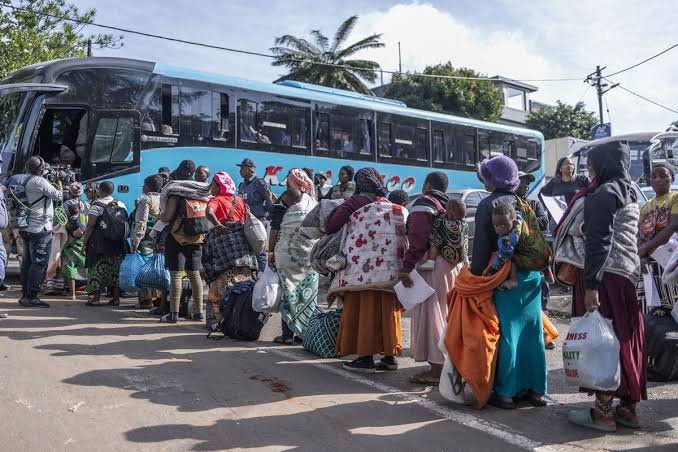
South Africa is witnessing a growing departure of migrant workers as anti-immigrant protests force thousands to leave the country.

The mass exit is beginning to affect businesses, with employers reporting labour shortages across domestic services, delivery platforms, ride-hailing operations and the textile industry.
Government figures show about 67,000 migrants have either been deported or voluntarily returned home in recent weeks.
Zimbabwe says nearly 100,000 of its nationals have crossed back since late May, indicating the overall number could be significantly higher.
The loss of workers is already disrupting several sectors that depend heavily on migrant labour. Companies are struggling to maintain operations as vacancies increase and service delivery slows.
SweepSouth, an online platform that connects households with domestic workers, said it experienced its highest level of booking cancellations since the COVID-19 pandemic.
The company blamed transport disruptions and growing security concerns among workers.
Ride-hailing and delivery services have also felt the impact. The National E-Hailing Federation of South Africa estimates that migrant workers account for at least half of app-based drivers, many of whom have stopped working or left the country since protests intensified at the end of June.

Shoprite’s Sixty60 delivery service has also been affected. Migrants reportedly make up around 70 per cent of its motorcycle delivery workforce, with several riders saying many of their colleagues have already returned to neighbouring countries.
While Shoprite declined to comment on the latest situation, the retailer has previously stated that many South Africans leave delivery jobs before completing training, making foreign workers essential to sustaining the service.
The manufacturing sector is facing similar challenges. In Newcastle, one of South Africa’s major textile centres, labour unions estimate that roughly 15 per cent of factory workers have left.
Economists warn that the rapid departure of migrant workers could weaken productivity and place additional pressure on an economy already battling high unemployment and sluggish growth.
Many migrants say they left because they feared for their safety. Others abandoned jobs they depended on to support families in Zimbabwe, Malawi, Mozambique and other neighbouring countries.

Experts also caution that replacing migrant workers may not be easy. Many South Africans seek higher wages and better working conditions, while employers say the sectors affected have long struggled to attract enough local workers.
About The Author

















Leave a comment