

By Ollus Ndomu
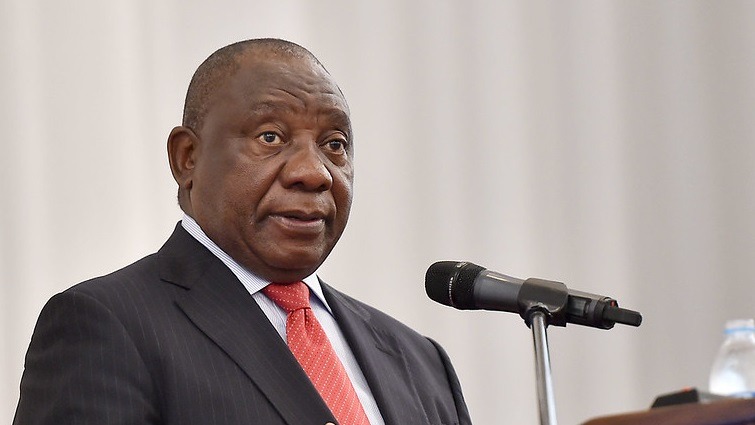
South African President Cyril Ramaphosa announced that the country will proceed with the draft National Health Insurance (NHI) law despite facing significant opposition, including resistance from within his own government. The proposed NHI Bill aims to establish a new public healthcare fund, setting regulations for what private healthcare providers can charge for NHI-funded benefits.
The bill is seen as a transformative step towards creating a more equitable healthcare system, addressing deep-seated inequalities that trace back to the apartheid era.
If passed, the NHI would fundamentally restructure the healthcare landscape in South Africa, potentially ensuring that all citizens have access to comprehensive and affordable medical care.
“The NHI is a crucial part of our efforts to reduce inequality and ensure that every South African has access to quality healthcare, regardless of their income,” Ramaphosa stated during a press briefing. He emphasized that the current system disproportionately favors those with higher incomes, leaving many without adequate medical services.
However, the proposed legislation has sparked fierce debate. Critics, including major local health insurers, argue that the funding model outlined in the bill is unworkable. They warn that it could lead to financial instability within the healthcare sector, negatively impacting the quality of services.
“The proposed NHI Bill, in its current form, poses significant risks to the sustainability of our healthcare system,” said a spokesperson for one of the country’s largest health insurance companies. “The funding model is flawed and could result in increased costs and decreased quality of care.”
Even some government officials have voiced concerns about the bill’s viability, reflecting the contentious nature of the proposed reforms.
Despite these objections, Ramaphosa remains steadfast in his commitment to advancing the NHI, framing it as a moral imperative to address historical injustices and create a fairer society.
The bill is set to be a major test of his administration’s ability to push through significant policy changes in the face of entrenched opposition.
About The Author






















Leave a comment