

By Ollus Ndomu
Ghana’s Ministry of Foreign Affairs has shut down its embassy in Washington, D.C. following revelations of a wide-ranging corruption scandal involving visa and passport application fraud.
Foreign Affairs Minister Samuel Okudzeto Ablakwa announced the closure on Monday, describing the decision as part of a broader initiative to “restore integrity and accountability” across Ghana’s diplomatic missions abroad.
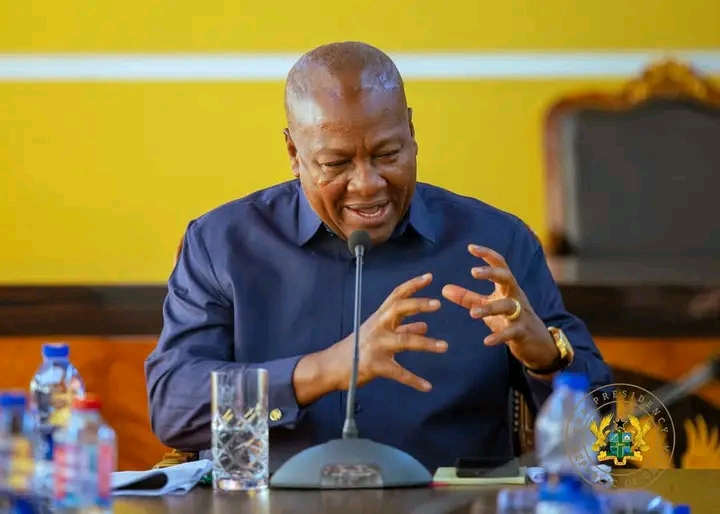
“This is part of a decisive effort to restructure and overhaul embassy operations following shocking audit findings,” Ablakwa said. “With the support of President [John] Mahama, we are taking bold action to fight corruption and rebuild trust.”
The closure follows an internal audit that uncovered a scheme allegedly masterminded by Fred Kwarteng, a locally hired IT officer who has worked at the embassy since 2017. According to the audit, Kwarteng created an unauthorized link on the embassy’s official website, which secretly redirected passport and visa applicants to a private platform—Ghana Travel Consultants (GTC)—run by his own company.
Applicants using the link were charged unofficial service fees ranging from $29.75 to $60, none of which were sanctioned under Ghana’s Fees and Charges Act. These payments were deposited directly into Kwarteng’s personal bank account, effectively bypassing all official channels and denying the Ghanaian government lawful revenue.
The extent of the operation—and the ease with which it was allegedly carried out—has shocked diplomatic observers and raised serious questions about oversight within Ghana’s foreign missions.
“This isn’t just about one bad actor,” said a senior source at the Ministry of Foreign Affairs, speaking on condition of anonymity. “It’s a wake-up call for our entire diplomatic network. We must do better.”
Minister Ablakwa said the government is committed to holding all responsible parties accountable and is already implementing new anti-corruption protocols for embassies, including cybersecurity audits, independent financial monitoring, and retraining of consular staff.
The embassy’s closure is expected to be temporary, but it remains unclear when operations will resume. In the meantime, Ghanaians in the United States are being directed to seek consular services from nearby missions in New York or through the consulate in Los Angeles.
As the investigation unfolds, the scandal has sparked public outrage both in Ghana and among its diaspora, where trust in consular services has already been fragile.
“People expect their government to serve—not scam—them,” said Kwame Biney, a Ghanaian-American businessman in Washington. “We deserve transparency and professionalism, not this kind of betrayal.”
The Foreign Affairs Ministry has promised a full report once investigations are complete, while calls grow louder for a systemic shake-up to restore credibility in Ghana’s diplomatic service.
About The Author













Leave a comment