


By Ollus Ndomu
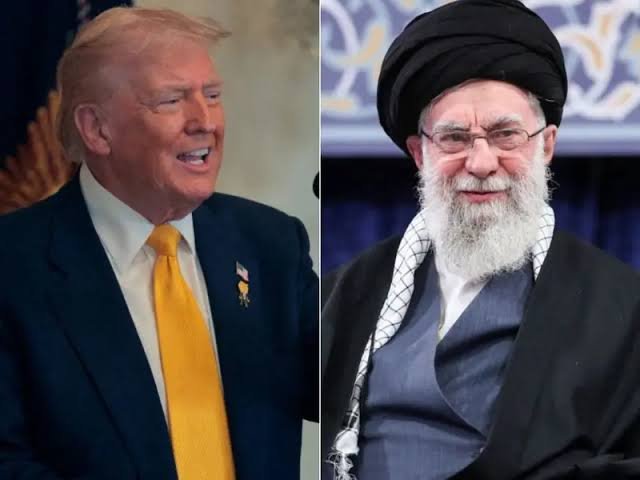
In one of the most consequential diplomatic turns of the year, the United States has called on China to dissuade Iran from closing the Strait of Hormuz, a lifeline for nearly 20 percent of the world’s oil supply. The appeal comes just days after Washington launched a precision airstrike on suspected Iranian nuclear infrastructure on June 21, a move that escalated tensions across the Persian Gulf and rattled global energy markets.
“I encourage the Chinese government in Beijing to call them [Iran] about that,”
— US Secretary of State Marco Rubio“They heavily depend on the Straits of Hormuz for their oil. It would hurt other countries’ economies a lot worse than ours.”
While Iran has not formally announced any action, its Parliament has already approved a retaliatory measure authorizing the closure of the strait. The final decision now lies with the Supreme National Security Council in Tehran.
Global Energy Under Siege
At the heart of this geopolitical storm lies the Strait of Hormuz, a narrow maritime corridor between Oman and Iran through which one-fifth of the world’s oil and a significant share of natural gas transits. Any disruption, real or perceived, can destabilize global supply chains and choke national economies, particularly in oil-importing nations across Asia, Europe, and Africa.
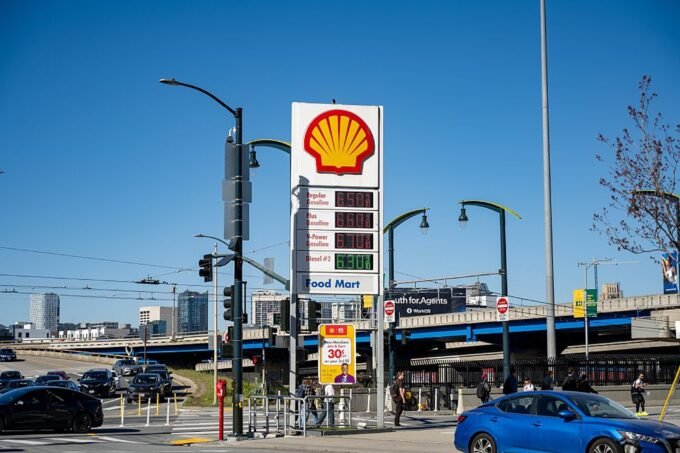
Brent crude surged to $78.89 per barrel following the bombing, marking the highest price since January. Market analysts anticipate prices could easily surpass $90 if fears of a blockade persist.
“Markets are pricing in political volatility, not just supply and demand,”
— Sarah Dube, Energy Economist, London Institute for Resource Security“Even the possibility of a closure influences investment decisions, transport costs, and monetary policy in oil-dependent economies.”
China’s Energy Dilemma
The US strike and subsequent warning have placed China, Iran’s largest oil customer and key geopolitical partner, squarely in the spotlight. Washington’s public call for Beijing to act diplomatically represents a strategic shift in how it engages with China on Middle East stability.
“This puts China in a diplomatic bind,”
— Dr. Elias Kuo, Asia-Pacific Energy Centre“It wants stability for its energy imports but doesn’t want to be seen aligning with either side in a US-Iran confrontation.”
China has not issued an official response, but insiders suggest Beijing may quietly pursue backchannel efforts to de-escalate the situation. Any interruption in oil supply would not only destabilize its economy but also undercut long-term investments under the Belt and Road Initiative.
Strategic Choke Point
The significance of the Strait of Hormuz transcends geography. For decades, it has symbolized the fragile intersection between energy security and geopolitical rivalry. While Iran has made similar threats in the past, the stakes today are amplified by a volatile mix of military activity, oil market sensitivity, and increasing global interdependence.
“This isn’t merely a regional flare-up,”
— Dr. Mayasa El-Khalid, Gulf Energy Strategist“It’s a moment of global reckoning—where diplomatic missteps in the Middle East can have domino effects on inflation, trade, and supply chains across the world.”
Ripple Effects Across Economies
The economic implications are immediate and asymmetric. For industrial nations like China and India, sustained tension in the Gulf could fuel inflation, weaken currencies, and complicate monetary policy. For developing economies in Africa and Latin America, the risks are equally stark, rising energy import bills, transport disruptions, and delayed infrastructure projects.
Shipping insurers, freight carriers, and energy traders are bracing for turbulence. Western naval forces, including from the United States, the United Kingdom, and France, have stepped up surveillance across Gulf waters.
What Lies Ahead
The global community now watches two key actors: Tehran and Beijing. If Iran proceeds with the closure, the consequences may include retaliatory naval operations, expanded sanctions, or a more formalized oil embargo regime. Conversely, if China uses its influence to temper Iran’s response, it may signal a shift toward shared global responsibility among rising powers.
“Energy diplomacy is no longer about barrels per day,”
— Dr. El-Khalid“It’s about political capital and who is willing to spend it when peace hangs in the balance.”
As of now, the Strait of Hormuz remains open, but the diplomatic waters surrounding it are anything but calm.
Gathering by Christy London
About The Author

















Leave a comment