

By: Chioma Madonna Ndukwu
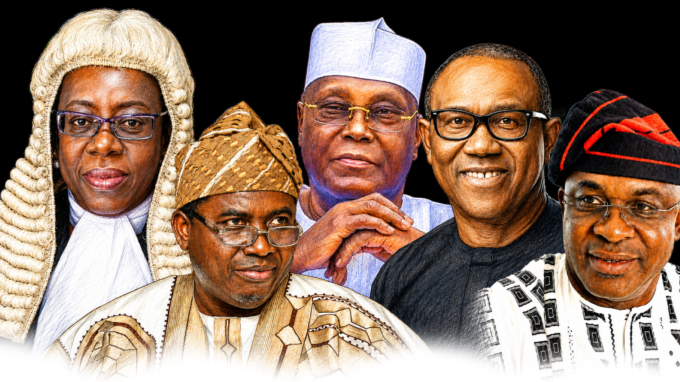
Ahead of Nigeria’s 2027 presidential election, the opposition coalition has rallied around the African Democratic Congress (ADC), drawing a wide range of political heavyweights, including Atiku Abubakar, David Mark, Peter Obi, Rotimi Amaechi, and Nasir El-Rufai. This move aims to create a formidable challenge against President Bola Tinubu’s government.
The coalition, which includes former members of the Peoples Democratic Party (PDP), Labour Party, and Social Democratic Party (SDP), was officially formed on July 2, 2025. Among those joining the ranks are notable APC figures such as John Oyegun, Rauf Aregbesola, and Rotimi Amaechi, signaling a broad-based opposition front preparing to unseat Tinubu in the 2027 elections.
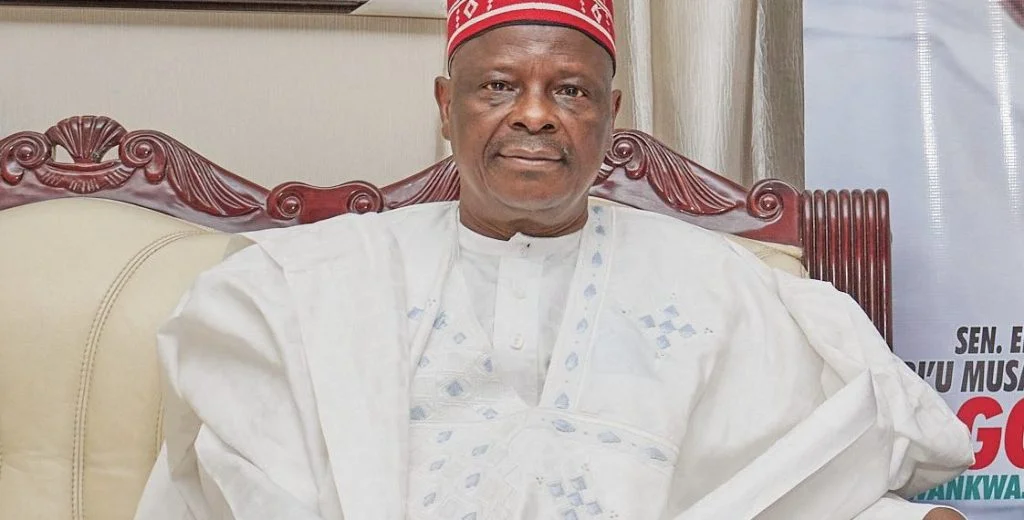
One of the key figures caught in the political crossfire is Rabiu Kwankwaso, leader of the Kwankwasiyya Movement and 2023 NNPP presidential candidate. Both the ruling APC and opposition factions are vying for Kwankwaso’s allegiance, recognizing his immense influence over Kano State, one of Nigeria’s most populous and vote-rich regions. Despite ongoing pressure, Kwankwaso has yet to make a definitive decision, though insiders suggest he may lean toward the opposition coalition.
The ADC’s growing momentum is further bolstered by defections from various regions, with high-profile political figures from PDP, APC, and other parties joining the movement. Governors and former leaders from states such as Benue, Kano, Gombe, and Yobe are expected to switch allegiance, further solidifying the opposition bloc.
However, tensions are rising within the coalition over the party’s presidential ticket. While Atiku Abubakar is reportedly positioning himself for a third run at the presidency, Peter Obi’s supporters are pushing for him to be the party’s flagbearer. The potential conflict over the nomination could threaten the cohesion of the opposition alliance as the election cycle approaches.
About The Author












Leave a comment