

WHO Warns Tobacco Firms Target Children With Flavours, Online Ads
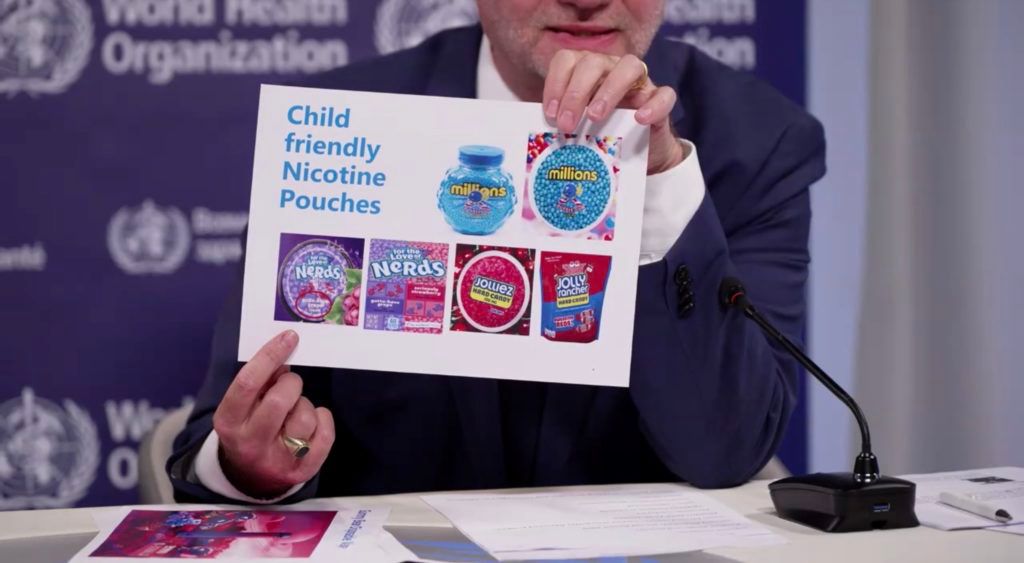
The World Health Organisation (WHO) has raised concerns that tobacco and nicotine companies are increasingly using flavoured products, attractive packaging, and digital marketing tactics to draw children and adolescents into early nicotine use.
The warning was issued ahead of World No Tobacco Day 2026, with the global health body urging stronger global action against what it described as deliberate strategies to normalise smoking and vaping among young people.
Under this year’s theme, “Unmasking the Appeal – Countering Nicotine and Tobacco Addiction,” the WHO Regional Office for the Eastern Mediterranean called for urgent intervention to curb rising youth exposure to nicotine products.
The agency said tobacco products are being designed in ways that reduce harshness, increase appeal, and disguise health risks, making them more attractive to underage users.
Dr. Hanan Balkhy, WHO Regional Director for the Eastern Mediterranean, said the industry’s approach is intentional and carefully structured.
“This is not accidental. It is the result of deliberate strategies — flavours that mask harshness, packaging that attracts and digital marketing that normalises use,” she said.
She added that weak regulation, poor enforcement, and continued industry interference have allowed these practices to persist, contributing to growing public health concerns.
WHO estimates that about 5.5 million adolescents aged 13 to 15 in the Eastern Mediterranean region are already using tobacco products, a figure that highlights the scale of early exposure.
The organisation also warned that adolescents are significantly more likely than adults to use e-cigarettes, with usage among boys reaching up to 30 per cent in some countries.
It further noted that social media platforms have become a major channel for tobacco promotion, exposing millions of young people to advertising content that is often difficult to regulate.
According to WHO, this digital expansion of marketing is undermining existing tobacco control efforts and making enforcement more challenging for governments.
The agency cautioned that without stronger policies, decades of progress in reducing tobacco use could be reversed.
It called on governments to fully implement tobacco control measures, including bans on advertising and sponsorship, higher taxes on tobacco products, stronger health warnings, and tighter regulation of new nicotine products such as e-cigarettes.
WHO also urged parents, teachers, and community leaders to actively educate young people and counter industry influence at the grassroots level.
Globally, tobacco remains one of the leading preventable causes of death, responsible for more than eight million deaths each year, according to the organisation.
It estimates that around 1.3 billion people still use tobacco worldwide, with the majority living in low- and middle-income countries where the health burden is highest.
WHO stressed that reducing youth exposure to nicotine marketing is essential to preventing lifelong addiction and reducing future disease burdens.
About The Author





















Leave a comment