

By: Chioma Madonna Ndukwu
Democracy Still Wears the Crown, but the People Carry the Thorns
“History will judge us by the difference we make in the everyday lives of children.” Those words from Nelson Mandela came to mind this Democracy Day as I watched Nigeria celebrate another year of civilian rule.
The flags were flying, speeches were being delivered, and official messages filled the airwaves.
Yet beyond the ceremonies, a quieter question lingered like smoke after a fire: if democracy is working, why do so many Nigerians still feel abandoned by it?
Nigeria’s democratic journey has been long and winding. Since gaining independence from Nigeria’s former colonial rulers on October 1, 1960, the country has travelled through military coups, political crises, and democratic rebirths.
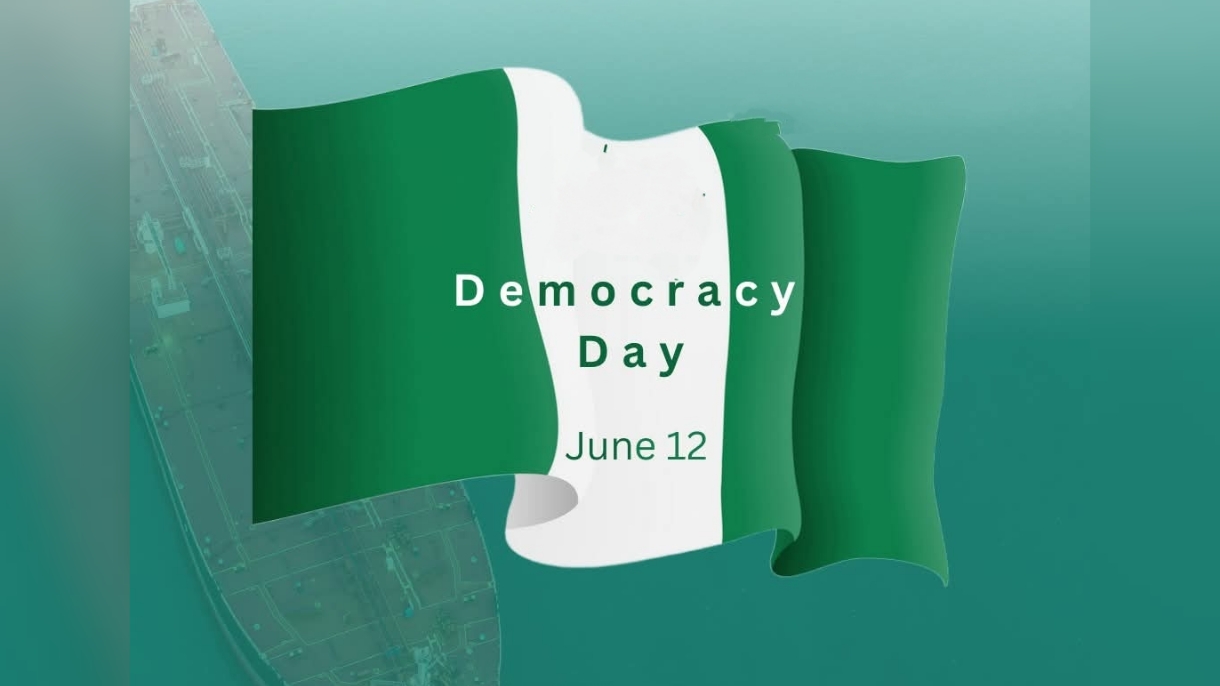
Democracy Day itself honours the spirit of June 12, 1993, a date many regard as a defining symbol of the people’s desire for representative government.
But three decades later, the promise of that struggle appears trapped between hope and hardship. Across the country, kidnappings, bandit attacks, killings, and the destruction of homes have become recurring headlines.
Recent reports of schoolchildren abducted alongside their teachers, and the killing of one educator in captivity, have left many families asking whether democracy has delivered the most basic right of all, security.
The economic reality tells a similar story. Millions of young Nigerians now view airports as gateways to survival rather than adventure.
The “japa” wave continues to gather momentum as skilled professionals, graduates, and entrepreneurs seek opportunities abroad.
During interviews conducted by Oma for AfricaWorld News, 29-year-old software developer Chukwudi Nwafor in Lagos said, “My parents believed education would open doors. I got the education, but the doors seem to be opening in other countries.”
In Port Harcourt, businesswoman Jennifer Briggs offered a different but equally painful reflection: “I don’t want my children to grow up believing struggle is normal. That is why so many people are leaving.”
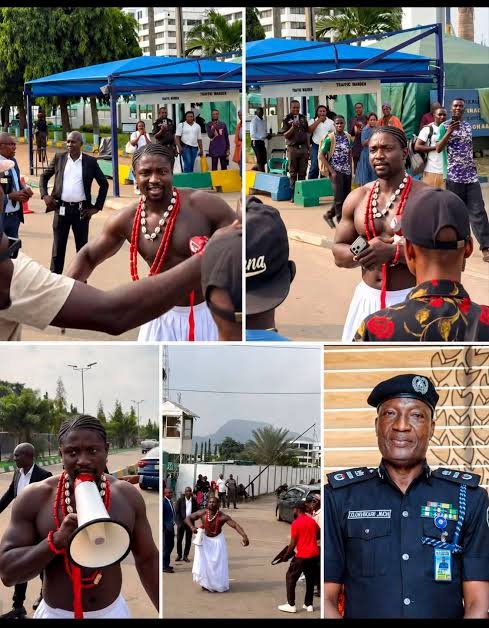
Public frustration has increasingly found expression in the streets. Protests over insecurity, economic hardship, and governance concerns have become more frequent, including recent demonstrations led by social commentator Martins Vincent Otse.
Yet history reminds us that nations are not transformed by anger alone. As Nnamdi Azikiwe once observed, “It is better we disintegrate in peace and not in pieces.”
His words were not merely political; they were a warning about the cost of allowing divisions, frustrations, and failures to overwhelm a national vision.
Likewise, Martin Luther King Jr. reminded the world that “The arc of the moral universe is long, but it bends toward justice.” Both men understood that progress requires persistence, courage, and accountable leadership.
This Democracy Day, perhaps the most important celebration is not the survival of democracy itself but the determination to make it meaningful.
Democracy cannot live only in election results, official speeches, or national anniversaries. It must live in safe roads, functioning schools, accessible healthcare, reliable electricity, and opportunities that persuade young people to build their futures at home rather than elsewhere.
Until then, democracy may still wear the crown, but ordinary Nigerians will continue carrying the thorns.
About The Author


















Leave a comment