

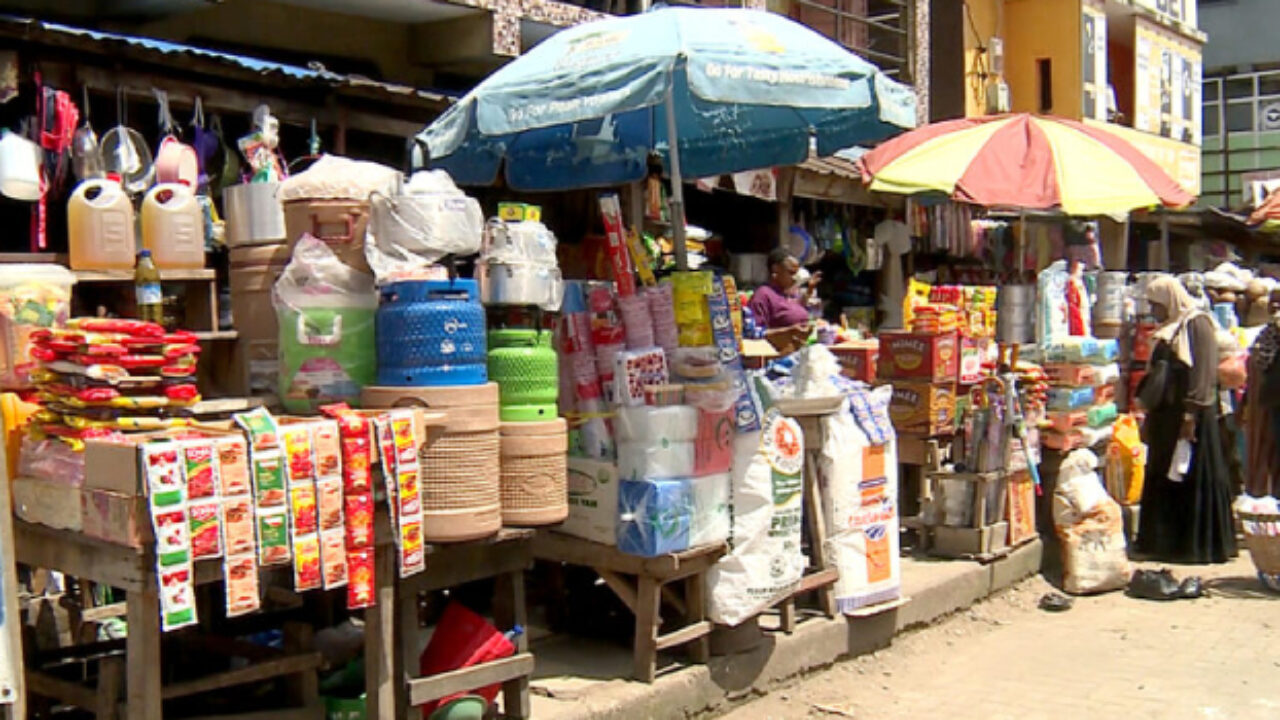
Rising Prices Push Nigeria to Lowest Rank in Global Living Standards Index
Nigeria’s economic pressure has intensified as inflation recorded another increase in May 2026, marking the third consecutive monthly rise and worsening the country’s position in global living standards assessments.
Figures released by the National Bureau of Statistics (NBS) show headline inflation climbed to 15.93 percent in May, up from 15.69 percent in April.
Food inflation also edged higher to 16.96 percent from 16.09 percent, reflecting continued strain on household budgets.
Month-on-month data further points to sustained price increases, with headline inflation at 1.75 percent and food inflation at 2.98 percent.
The upward trend has been driven largely by persistent increases in the cost of food, transportation, housing, and energy.
The impact on citizens has been severe, with declining purchasing power and rising living costs contributing to Nigeria’s placement at the bottom of the 2026 global Quality of Life Index compiled by Numbeo.
The ranking assessed countries based on affordability, safety, healthcare access, environmental quality, traffic, housing conditions, and income strength, with Nigeria listed among the lowest performers alongside Sri Lanka and Bangladesh.
Economic analyst Godwin Oyedokun of Lead City University said the latest inflation data reflects ongoing pressure on households, driven mainly by food and fuel costs.
He explained that although some macroeconomic indicators suggest partial stabilisation, everyday realities remain difficult, as income growth continues to lag behind rising prices.
This has forced many families to reduce spending on essentials such as food quality, education, healthcare, and savings.
Oyedokun also noted that higher fuel prices continue to amplify inflationary pressure by increasing transport and production costs, which are eventually passed on to consumers.
Food inflation, he added, remains especially burdensome for low-income households.
He urged policymakers to go beyond monetary interventions and focus on improving agricultural output, strengthening rural security, investing in infrastructure, and reducing logistics costs to ease price pressures.
He warned that while structural reforms may take time to yield results, Nigerians are currently facing severe economic strain.
The Centre for the Promotion of Private Enterprise (CPPE) also linked the inflationary trend to global energy disruptions and geopolitical tensions affecting supply chains.
The group maintained that Nigeria’s inflation challenges are largely cost-driven and called for stronger policy action in areas such as food security, transport systems, rail development, and energy supply to help reduce overall living costs.
About The Author





















Leave a comment