

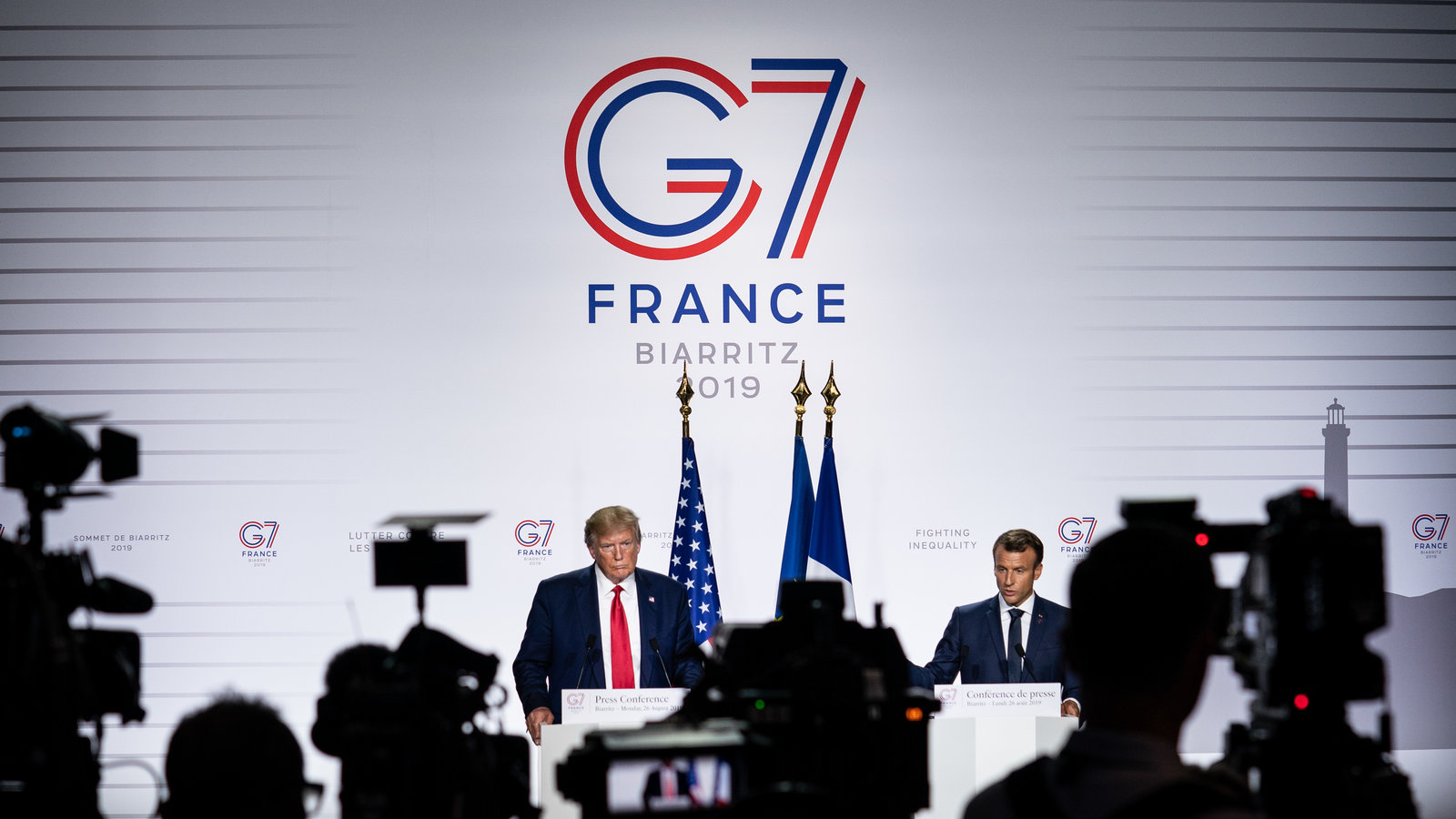
Trump hails US–Iran accord as G7 leaders wrestle with unresolved terms
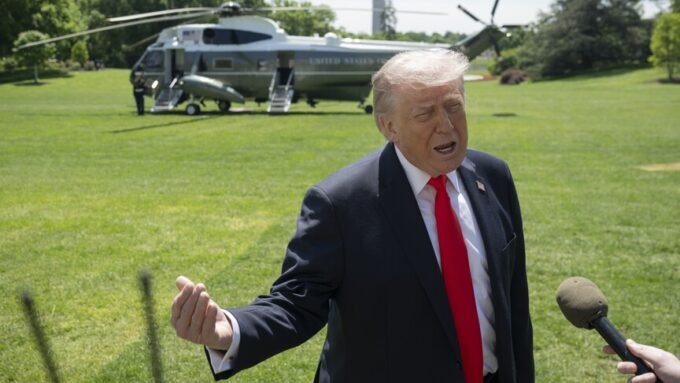
Donald Trump has declared that a US–Iran agreement has been fully finalised, insisting that the Strait of Hormuz is set to reopen completely within days, even as key details of the deal remain under negotiation among global powers at the G7 summit in Évian-les-Bains.
The US president said the agreement was “already signed” and claimed that early signs of resumed maritime movement through the vital waterway were visible.
Yet behind the optimism, diplomats at the summit acknowledged that major questions still hang over how the deal will function in practice.
Central to the uncertainty are disagreements over whether Iran will have the authority to impose shipping fees in the strait, how enforcement will be carried out, and what mechanisms will ensure compliance from both sides in the absence of a broader security framework.
European leaders voiced concern that the arrangement remains vulnerable to wider regional instability, pointing to continued tensions in Lebanon despite the ceasefire linked to the wider US–Iran understanding.
They warned that any escalation could quickly erode confidence in the agreement.
Trump dismissed calls for a coordinated European naval presence in the region, arguing that US forces were sufficient to maintain stability and ensure the waterway remains open.
He also framed the deal as a breakthrough for global markets, citing falling oil prices and rising investor confidence.
US officials, meanwhile, indicated that any easing of sanctions or release of frozen Iranian funds would be gradual and strictly conditional on Tehran meeting its obligations.
They stressed that no immediate financial concessions had been made.
The agreement has highlighted divisions within the G7, with some leaders privately questioning whether the US moved too quickly without securing firmer guarantees on Iran’s nuclear restrictions and regional conduct.
Israel has also distanced itself from key elements of the deal, with officials signalling that they retain full freedom of action in response to perceived threats, particularly regarding Iran and allied groups in the region.
As technical negotiations continue, diplomats warned that the coming days will be decisive in determining whether the agreement develops into a lasting framework or begins to unravel under unresolved political and security pressures.
About The Author














Leave a comment