

By: Ollus Ndomu
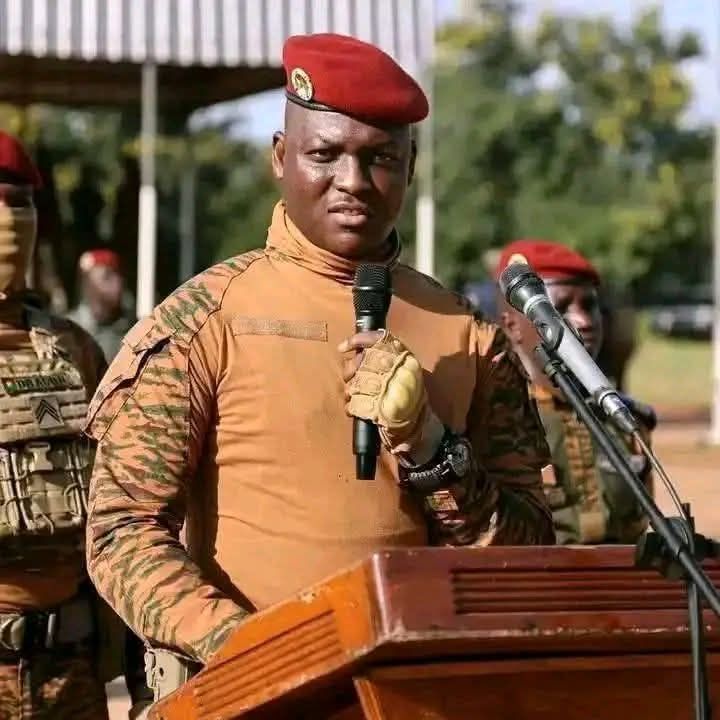
Power rarely announces itself politely in Africa’s most wounded regions. It arrives abruptly, sometimes violently, often wearing fatigue. When Captain Ibrahim Traoré seized the microphone in Ouagadougou, clad in combat gear and flanked by soldiers, he did not sound like a man auditioning for legitimacy. He sounded like a man tired of explaining failure. In that moment, Burkina Faso was not debating ideology. It was counting graves.
Traoré did not promise democracy first. He promised survival. That alone made him dangerous to some, magnetic to others. Across the Sahel, his image spread quickly. Not through official communiqués, but through phone screens, WhatsApp groups, street murals, and whispered admiration. In a continent weary of leaders who govern from air-conditioned distance, Traoré looked like a man still smelling of the battlefield.
But charisma is not biography. Who is Ibrahim Traoré, really?
The Man Behind the Beret
Born in 1988 in Bondokuy, western Burkina Faso, Traoré is a product of a country that has never fully healed from political interruption. His childhood unfolded in a nation where Thomas Sankara’s ghost still walked and where promises of reform were repeatedly buried by force.
Unlike Africa’s familiar political heirs, Traoré did not emerge from elite family dynasties. There is little public record of wealth, privilege, or inherited power. His private life remains guarded. He is believed to be unmarried, with no publicly confirmed children. This silence is not accidental. It is strategic.
In an age where families are weaponized, his anonymity is armor.
From Classroom to Combat
Traoré studied geology at the University of Ouagadougou. It is a detail often overlooked, but telling. Geology trains the eye to read pressure beneath the surface. To understand fractures before collapse. Those who later served with him say he carried that analytical instinct into the army.
His military career placed him at the frontlines of Burkina Faso’s long, grinding war against insurgent groups. He saw villages emptied. He saw soldiers abandoned by supply chains and politics alike. He saw how speeches from the capital dissolved under gunfire.
One African security analyst once observed, “Traoré is not ideological first. He is operational first.” That distinction matters.
The Rising Moment
When Traoré led the September 2022 coup that removed Lieutenant Colonel Paul-Henri Damiba, it was not sold to the public as personal ambition. It was presented as an act of urgency, born from a state slipping beyond control. Armed groups were advancing steadily. Entire communities had emptied. Soldiers were exhausted, under-equipped, and losing faith in command. Public confidence in leadership had thinned to silence. The coup was framed as interruption, not celebration.
Traoré’s rise was bloodless by the standards of military takeovers, but it carried weighty consequences. He stepped into power without the cushion of goodwill or time. What he inherited was a collapsing security architecture, a population demanding protection rather than promises, a region wary of instability, and an international community alert to every move. His authority was immediate, but so was scrutiny.
Since then, whispers of internal plots and assassination attempts have surfaced with regularity. Official confirmations are rare, but the evidence is visible. Layers of security surround him at all times. Movements are tightly controlled. Public appearances are calculated. Traoré is now regarded as one of the most heavily guarded leaders on the continent, not as a symbol of excess, but as acknowledgment of risk.
Across the Sahel, survival is not a slogan. It is policy.
Rule Under Siege
Traoré governs like a man aware that time is hostile. His decisions move with the urgency of a battlefield, not the patience of ceremony. Security, mobilization, and sovereignty sit at the center of his rule. Civilian defense units were expanded to compensate for a strained army. Military partnerships were reassessed with cold calculation. French forces were asked to leave, and Burkina Faso turned instead toward regional alliances and non-Western partners that promised fewer conditions and firmer respect for autonomy.
For many Africans, this posture revived Sankara’s unfinished sentence. Cameroonian philosopher Achille Mbembe once wrote that Africa’s tragedy lies in “the exhaustion of borrowed futures.” Traoré’s appeal rests in his refusal to borrow one.
At home, his rhetoric remains austere. No flamboyance. No indulgence. Ministers are rebuked publicly. Corruption is framed as treason. The state is spoken of as a battlefield institution, not a salon of comfort.
The West and the Question of Control
The West’s relationship with Ibrahim Traoré is marked by discomfort rather than clarity. He is not a leader easily accommodated within familiar diplomatic grammar. Western governments speak in careful phrases about democratic timelines and human rights, but beneath the restraint lies unease. Traoré does not bargain for legitimacy through endorsement or approval. He asserts it through control and autonomy. French media often frame him as erratic, while some analysts point to external influence as explanation. Yet such readings overlook the deeper force at play. His appeal is not imported or engineered abroad. It rises from local frustration and historical memory. Traoré resonates because he embodies refusal. As Ghanaian writer Ayi Kwei Armah once cautioned, the greater danger is not when Africa rebels, but when it remembers why it once submitted and chooses not to again.
A Symbol Beyond Borders
Traoré’s influence now exceeds Burkina Faso. In Mali, Niger, and across the wider Sahel, his name circulates as shorthand for defiance. For young Africans online, he represents a refusal to kneel politely while bleeding.
Pan-African commentators have drawn parallels between Traoré and a generation of military-nationalist figures who emerge when institutions fail to protect the people. Kenyan scholar PLO Lumumba remarked recently that “Africa does not lack democracy. It lacks justice that democracy must deliver.”
This sentiment explains Traoré’s appeal more than any slogan.
Controversies That Will Not Disappear
None of this dissolves the unease that shadows Ibrahim Traoré’s rule. Media space has narrowed, and dissent now moves carefully, aware of invisible lines. Political opposition operates within tight confines, while elections remain suspended under the weight of security arguments. The mobilization of civilian militias, though framed as necessity, carries the enduring risk of excess and unaccounted violence. Africa’s past offers sobering lessons. Power justified by crisis has a habit of overstaying its welcome, long after the emergency has passed.
Traoré governs within that historical tension. His authority is sustained by urgency, not permanence. Every decision is measured against fear of relapse and hope of control. Time is not neutral. It presses forward, asking whether force can eventually yield stability without surrendering the very freedoms it claims to defend.
Why AfricaWorld Man of the Year 2025
AfricaWorld’s Man of the Year is not a coronation. It is recognition of consequence. It marks the individual whose actions, decisions, and posture have bent the public conversation and forced difficult questions into the open. In 2025, Ibrahim Traoré occupies that unsettled space where Africa’s contradictions meet. He governs at the crossroads of security and liberty, sovereignty and isolation, urgency and the slow, fragile work of institution-building.
Traoré is not presented as Africa’s solution. He is its mirror. In his rise and rule, the continent sees itself wrestling with fear, fatigue, and defiance. His leadership asks whether order must come before consent when the state is under siege. It asks whether dignity can survive a system built on dependency, and whether sovereignty is still possible in a world that punishes disobedience.
He stands as a figure shaped by crisis rather than comfort, commanding loyalty from those who see survival as the first duty of leadership, and provoking concern from those who fear the cost of force without limits. These tensions are not unique to Burkina Faso. They echo across Africa.
History will decide Ibrahim Traoré’s legacy. AfricaWorld records his impact. In a year when many leaders managed decline, he chose confrontation. For better or worse, Africa is watching.

About The Author

 Ibeh Ugochukwu Bonaventure on Troco Technology: Building Trust Where Nigerians Once Took Risks
  Funnyfreakc Opens Up To Irodili: 5 Secrets Behind His Comedy Rise
  2025: A Defining Year of Global Impact for Amb. Dr. Jamezany James in Pan-African Cultural Diplomacy
  One-on-One with Peter Armand Boyo: The Lion Who Tells His Own Story. The Pan-African actor, filmmaker, and cultural advocate reflects on African storytelling, cinema, and identity on the global stage.
  TC Wanyanwu Breaks Silence: 30 Hard-Hitting Questions on Jesus is a Black Man Answered by the Author in Exclusive Interview with Pan-African Journalist Mr. Irodili
  Making a Stride in Time Forging a Pan-African Film Future: Nollywood and Southern Africa in Harmony
 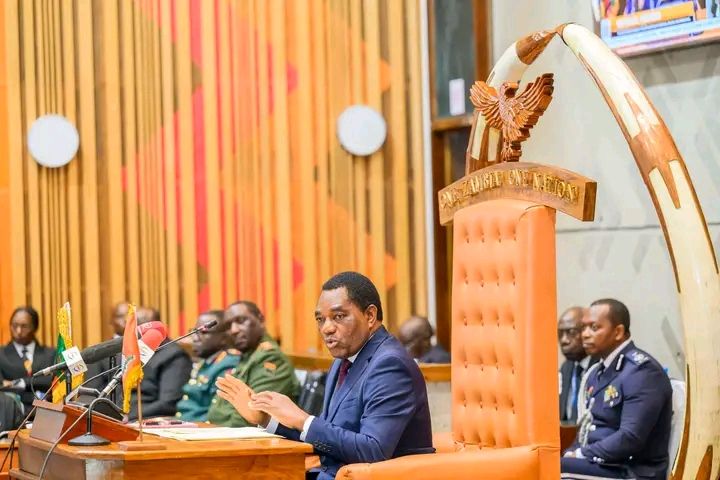 Zambia’s Hichilema’s Makes His Case: Stabilisation, Reform and the Road to 2026
 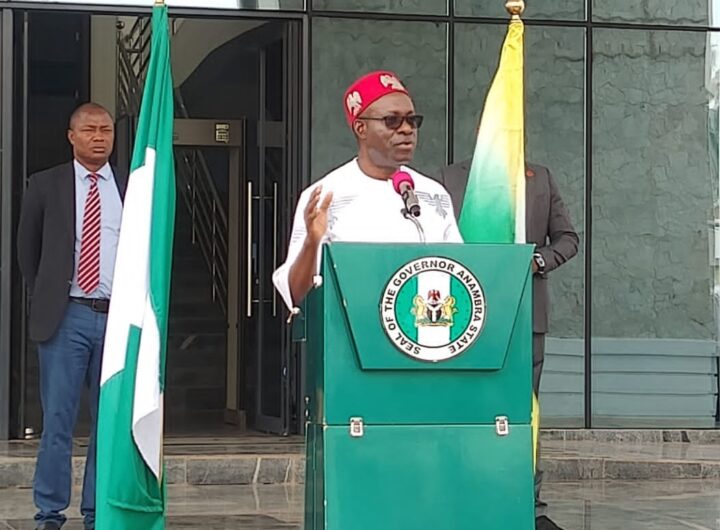 Onitsha Market Closure: Soludo Explains Rationale, Vows to End Sit-at-Home
 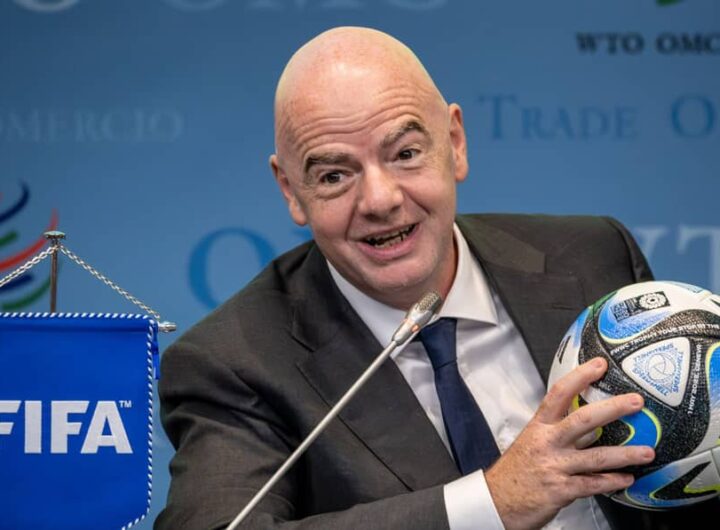 FIFA Rules Out World Cup Ban as Senegal Face CAF Sanctions Over AFCON Final Walk-Off
  Nollywood Actress, Angela Okorie Reportedly Detained Over Alleged Cyberbullying Linked to Mercy Johnson Case