


By: Chioma Madonna Ndukwu
Cement Prices Rise Again in Nigeria as Builders and Renters Face Fresh Pressure
Cement prices have increased once more across major markets in Nigeria, intensifying the strain on construction firms, property developers and households already grappling with the country’s rising cost of living.
Market checks in Abuja, Nasarawa, Niger and several other states show that retailers have adjusted prices upward since December, with leading brands such as Dangote Cement, Mangal Cement and others now selling at significantly higher rates depending on location and transport costs.
The development comes months after cement manufacturers had assured the Federal Government and the public that prices would stabilise following last year’s sharp increase.
Nigeria remains one of Africa’s largest cement producers, with major manufacturing plants located in Obajana, Kogi State; Okpella, Edo State; Ewekoro, Ogun State; and other limestone-rich areas.
Despite the country’s strong domestic production base and abundant raw materials, cement prices have continued to climb.
In 2025, the cost of cement surged to record levels, prompting the Presidency to summon major producers, including Dangote and BUA, for consultations. At the time, the companies reportedly pledged to reduce prices and improve affordability for Nigerians.
However, by January 2026, prices have once again risen across several regions, reversing earlier expectations of relief.
The latest increase is unfolding against a backdrop of broader economic pressure. Nigeria’s inflation rate rose to 15.15 per cent in December 2025 from 14.45 per cent in November, further weakening household purchasing power.
The depreciation of the naira has also raised the cost of imported chemicals, machinery and spare parts used in cement production.
Analysts say growing demand from major road construction projects, where cement is increasingly used instead of asphalt, has also added pressure on supply.
The impact is already visible in the housing sector. In cities such as Abuja and Lagos, rent has surged over the past year, driven largely by higher construction costs. Many developers have slowed or suspended projects, citing rising material prices.
Former President of the Real Estate Developers Association of Nigeria (REDAN), Alhaji Aliyu Oroji Wamakko, has warned that continued increases in cement prices could slow property development, deepen housing shortages and lead to job losses across the construction value chain.
He also expressed concern over the apparent inactivity of the Price Control Board, which is mandated to monitor the cost of essential commodities.

About The Author

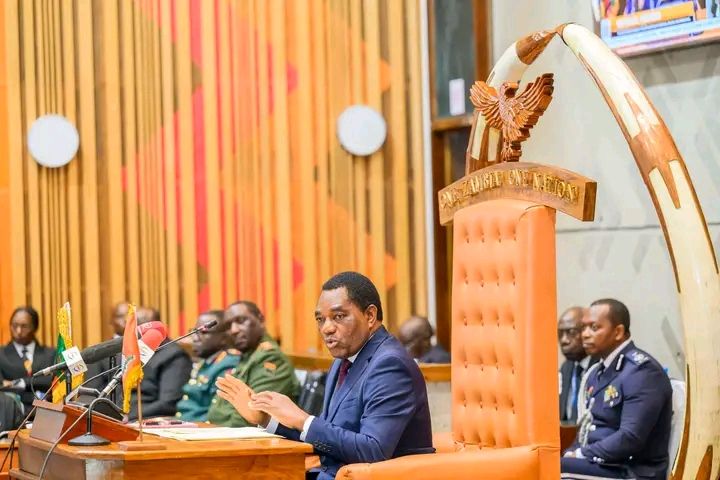 Zambia’s Hichilema’s Makes His Case: Stabilisation, Reform and the Road to 2026
  Nigeria: Soludo Shuts Onitsha Main Market for One Week in Fresh Push Against Monday Sit-at-Home
  Ibeh Ugochukwu Bonaventure on Troco Technology: Building Trust Where Nigerians Once Took Risks
  Nigeria : Rising Opposition Shadows Tinubu’s Tax Plan as January 1 Implementation Nears
  Oritsemeyiwa Eyesan: Seven Things to Know About Nigeria’s New Oil Referee Steering a Critical Sector
  Oyedele Dismisses Viral Tax Papers as Fake, Pledges Reforms That Shield Small Businesses and Workers
 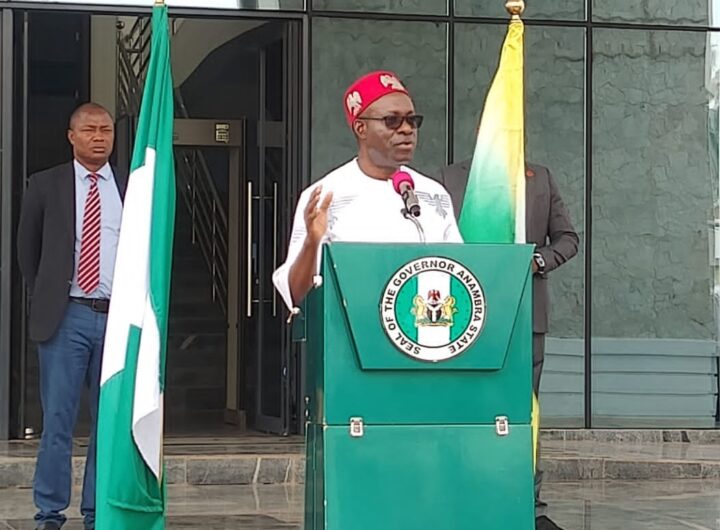 Onitsha Market Closure: Soludo Explains Rationale, Vows to End Sit-at-Home
  FIFA Rules Out World Cup Ban as Senegal Face CAF Sanctions Over AFCON Final Walk-Off
  Nollywood Actress, Angela Okorie Reportedly Detained Over Alleged Cyberbullying Linked to Mercy Johnson Case