


By; Chioma Madonna Ndukwu
DR Congo Offers Major Mineral Assets to US Investors in Strategic Partnership
The Democratic Republic of Congo has taken a bold step in reshaping the global minerals race by offering the United States a portfolio of some of its most valuable state-owned mining assets, signalling a deepening economic and geopolitical partnership between Kinshasa and Washington.
Senior Congolese officials confirmed that a carefully vetted shortlist of projects — covering manganese, copper-cobalt, lithium, gold and rare minerals — has been submitted to US authorities as part of a fast-moving minerals cooperation pact.
The move follows months of diplomatic engagement that saw Washington broker a peace agreement between DR Congo and Rwanda in December 2025, aimed at stabilising eastern Congo,a region sitting on some of the world’s richest untapped mineral reserves.
With peace efforts now underway, the United States is accelerating its push to secure long-term access to strategic minerals needed for electric vehicles, renewable energy, defence systems and advanced technology.
At the centre of the deal is a new Joint Steering Committee made up of senior officials from both countries, tasked with overseeing investment, contract negotiations and project development.
The Congolese delegation includes Deputy Prime Minister for the Economy Daniel Mukoko Samba, alongside the ministers of foreign affairs, mines and finance.
Among the assets on offer are:
Manganese, gold and cassiterite licences owned by Kisenge
Copper-cobalt projects and a germanium processing venture held by Gecamines
Gold permits operated by Sokimo
Lithium licences controlled by Cominiere
Coltan, gold and wolframite assets under Sakima
Officials stressed that only projects not already tied to joint ventures or farm-out agreements are being considered, and that the entire process is being carried out in line with Congolese mining laws.
The minerals partnership also builds on US financial backing for the $553 million Lobito Corridor upgrade, a major transport route linking mineral-rich regions of DR Congo to Atlantic ports through Angola, easing export bottlenecks.
Behind Washington’s urgency is a strategic calculation:
China currently dominates global processing of key minerals, controlling between 47 and 87 percent of refined supplies, according to the International Energy Agency. The US is now racing to diversify its supply chains and reduce dependence on Beijing.
For Kinshasa, the deal offers a pathway to attract large-scale investment, modernise its mining sector and turn its vast underground wealth into long-term economic growth, while reshaping Africa’s role in the future of global energy and technology.

About The Author

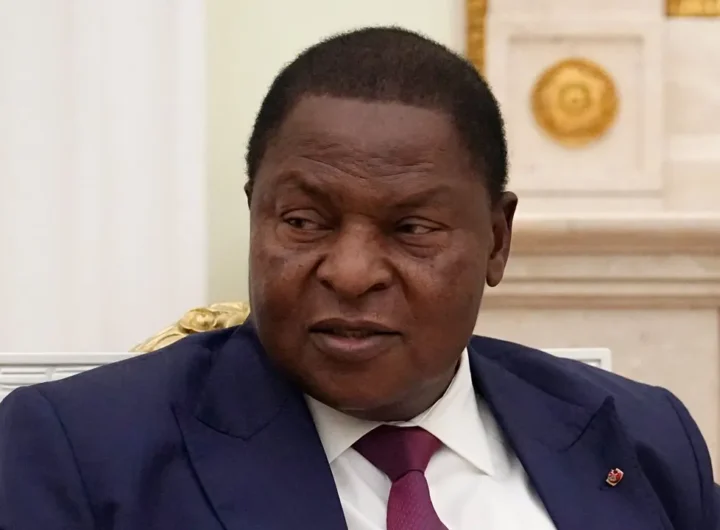 Touadéra sworn in for third term in Central African Republic
 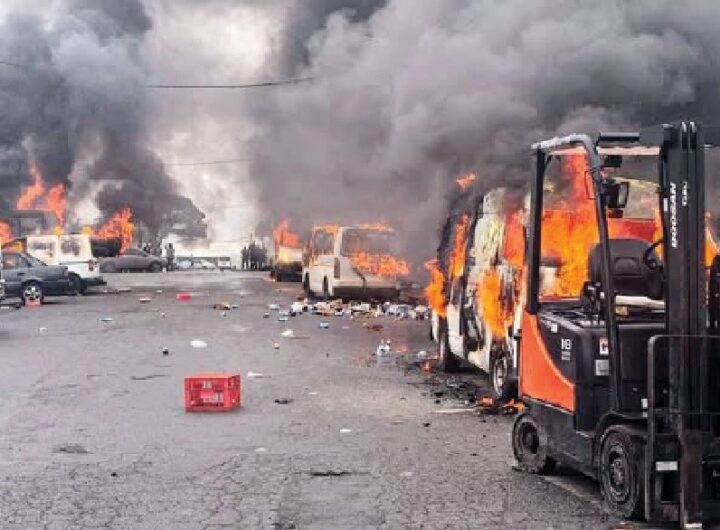 Protests in South Africa turn violent over Igbo leader coronation dispute
  Spain blocks US war flights, shuts airspace to Iran-bound operations
  Hackers hit South Africa’s data agency, over 450,000 job records exposed
 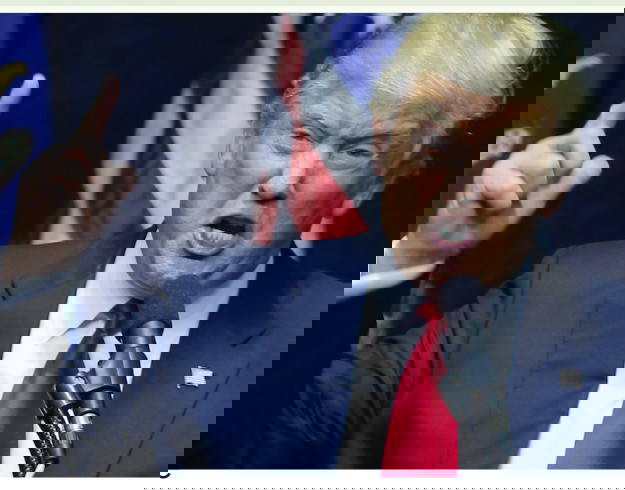 US Rushes Citizens Out as Iran Targets American Interests
 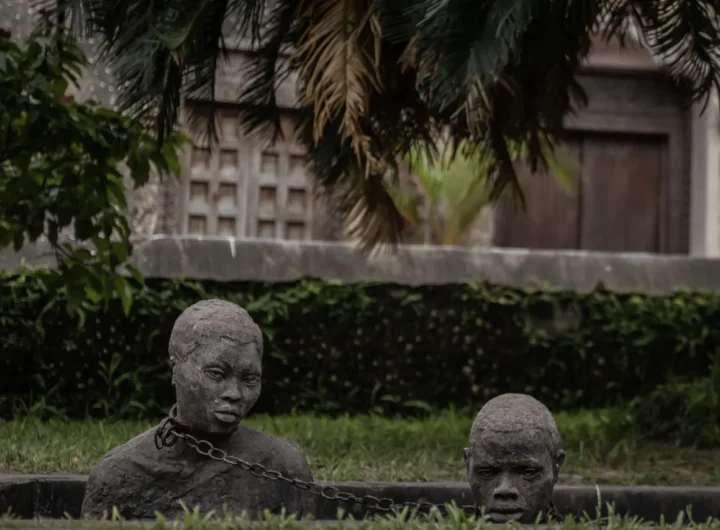 AU Pushes for Reparations as UN Labels Transatlantic Slave Trade a Crime Against Humanity
  🇳🇬 Nigeria in Focus: Security, Economy, and Reform Efforts Dominate Headlines
  Christians should leave Jos — Zuby Michael sparks backlash after Palm Sunday killings