

By: Chioma Madonna Ndukwu
The Economic Community of West African States (ECOWAS) has officially recognised the Dangote Petroleum Refinery as a key part of West Africa’s energy supply system, stating it is capable of meeting both Nigeria’s fuel demands and supplying the wider regional market.
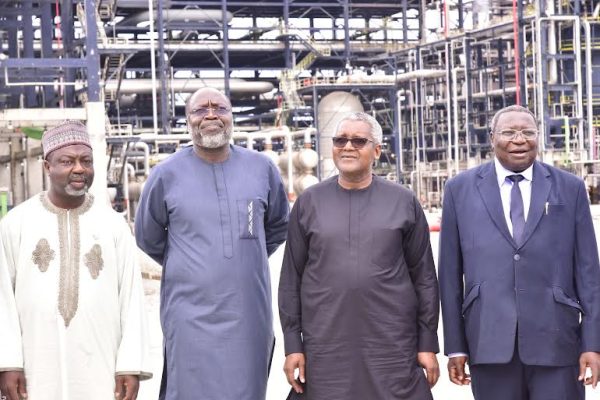
This endorsement came during a recent inspection of the 650,000-barrels-per-day refinery located in the Lekki Free Trade Zone in Lagos. The ECOWAS delegation was led by Commission President Dr. Omar Touray and included top officials responsible for infrastructure, energy, digitalisation, and internal affairs. The group also toured the Dangote Fertiliser Plant.
Dr. Touray commended the refinery’s ability to produce Euro V standard fuels, which align with environmental regulations across West Africa, including the 50 parts-per-million sulphur limit—standards that many imported fuels do not meet.
Touray said the project reflects the importance of private sector involvement in ECOWAS’ industrial strategy. He noted that the visit aimed to go beyond formal recognition and foster deeper cooperation between regional bodies and private investors. He stressed that such collaboration is essential in addressing poverty, unemployment, and security challenges in the region.
Aliko Dangote, President of Dangote Group, responded by reaffirming the refinery’s regional purpose. He dismissed concerns about the refinery’s capacity, asserting that it can satisfy Nigeria’s demand while also supporting the fuel needs of other West African countries.
“There’s a mistaken belief that we can’t even meet local demand, so serving the region seems impossible to some. Today, those concerns have been addressed,” Dangote said. He argued that continued fuel importation weakens economies and slows progress in the region.
Dangote highlighted that since the refinery began operations last year, domestic diesel prices have dropped, suggesting a tangible economic impact.
Touray concluded by expressing ECOWAS’ commitment to supporting the refinery’s access to markets across member states, reaffirming that regional industrial growth remains a top priority.
About The Author






















Leave a comment