

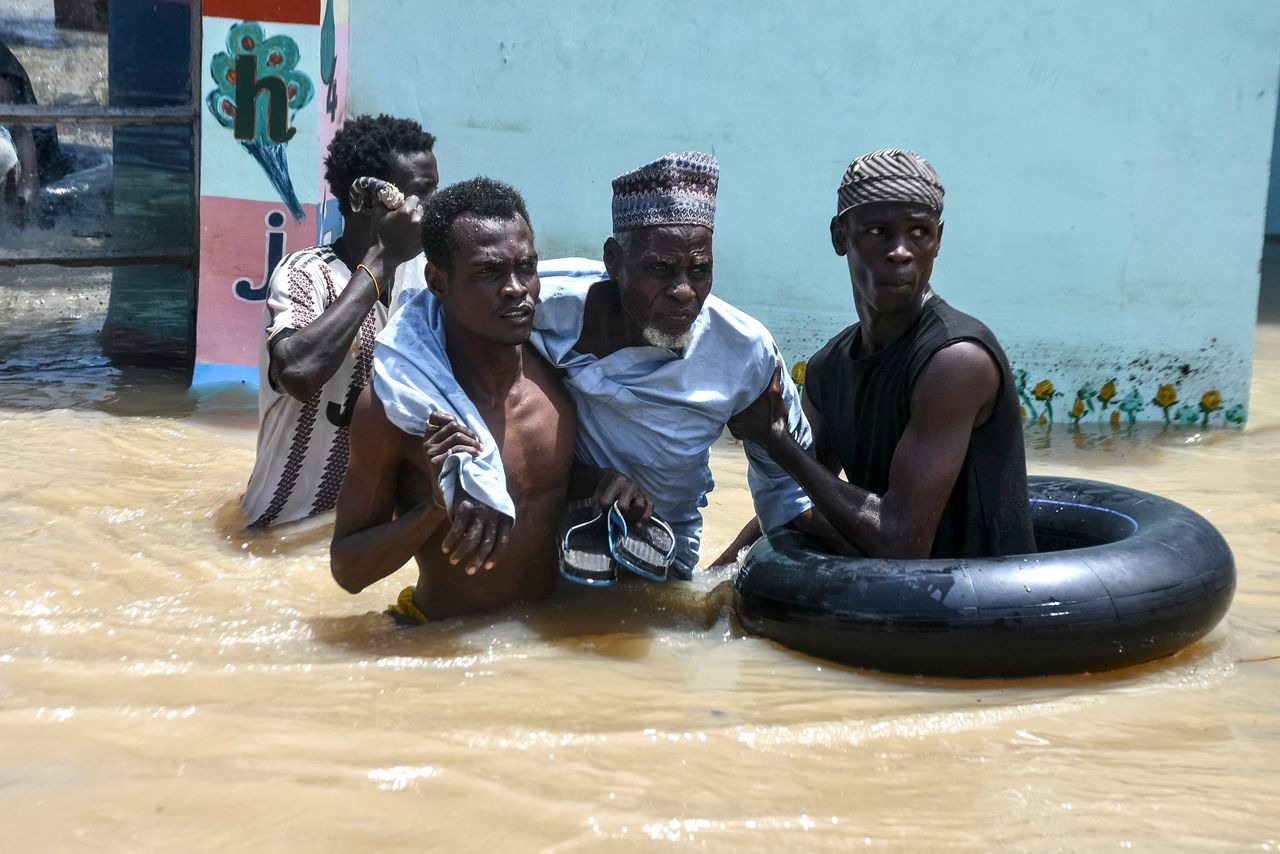
Every Step Through Floodwater Could Cost You Your Health
The rain may have stopped, but the danger often remains long after the clouds have cleared. Across many communities, people roll up their trousers, remove their shoes and wade through flooded streets just to get to work, school or home.
To many, it is simply the only way forward. But what appears to be ordinary rainwater is often a dangerous mixture of sewage, refuse, chemicals, animal waste and disease-causing germs.
As the World Health Organization (WHO) warns, “Floods can potentially increase the transmission of water- and vector-borne diseases, such as typhoid fever, cholera, malaria and yellow fever.” What looks like a harmless shortcut today could become a hospital visit tomorrow.
One of the most dangerous diseases linked to floodwater is leptospirosis, a bacterial infection spread through the urine of infected rats and other animals. The bacteria can enter the body through tiny cuts on the feet and legs or through the eyes, nose and mouth.
Floodwater can also spread cholera, typhoid fever and hepatitis A by contaminating food and drinking water, while stagnant water left behind after flooding creates ideal breeding grounds for mosquitoes that spread malaria. Skin infections are also common after prolonged contact with dirty water.
Emergency physician Dr. Richard Bradley summed up the risk in a simple but powerful statement: “Flood water mixes with everything below it.” That means every step through floodwater could expose a person to harmful bacteria, viruses and parasites.
Health experts urge people to avoid walking through floodwater whenever possible. If there is no other option, waterproof boots should be worn instead of slippers or going barefoot, and any cuts or wounds should be washed immediately with clean water and soap before being disinfected and covered.
The U.S. Centers for Disease Control and Prevention (CDC) puts it plainly: “Stay out of floodwater, it can contain many things that can hurt you or make you sick.”
Anyone who develops fever, persistent diarrhoea, vomiting, severe muscle pain, yellowing of the eyes or an infected wound after exposure to floodwater should seek medical attention without delay.
When the rains come, getting to your destination should never come at the expense of your health. As the saying goes, prevention is better than cure.
The water on the road may only reach your ankles, but the diseases it carries can follow you for weeks. Sometimes, the safest journey is the one that waits for the flood to pass.
About The Author




















Leave a comment