

I Lost My Three Children and My Husband — Ngoshe Survivor Recounts Captivity as 434 Are Freed
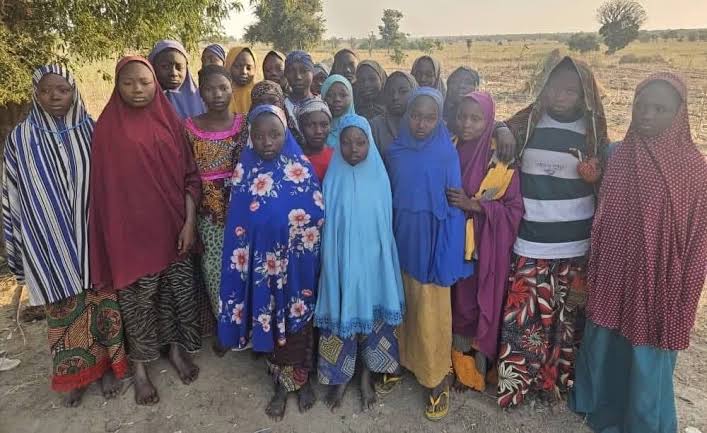
Freed victims of the Ngoshe mass abduction in Gwoza Local Government Area of Borno State have begun recounting months of suffering in captivity after a large-scale rescue operation returned hundreds of abductees to safety.
The victims were among residents seized on March 3 during an attack in Ngoshe, where more than 400 people, including women and children, were taken away by suspected insurgents in one of the region’s largest kidnappings in recent years.
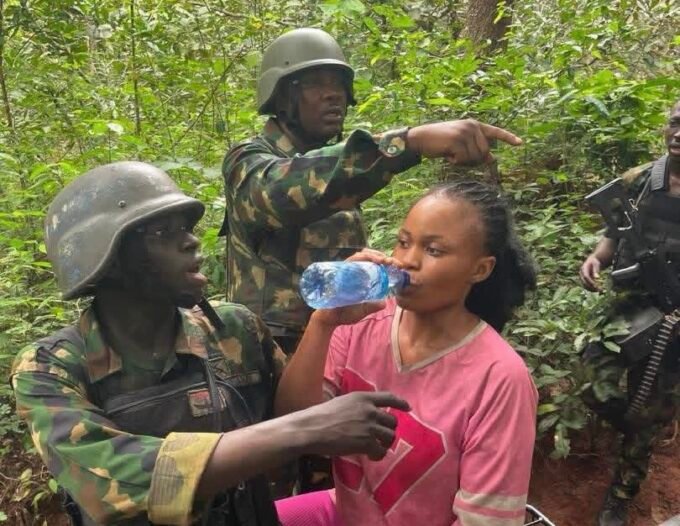
Troops under Operation Hadin Kai later rescued hundreds of captives from the Mandara Mountains, where they were reportedly held under harsh conditions marked by hunger, forced confinement, and limited access to basic needs.
Officials say about 434 victims have now regained freedom through coordinated rescue efforts carried out in phases.
The rescued individuals are currently receiving care at an internally displaced persons camp in Pulka, where they are undergoing medical attention, psychological support, and humanitarian assistance before reintegration into their communities.
Among the survivors, Hafsat Musa described the most painful loss, saying she endured months of captivity while losing her husband and three children during the ordeal.
She said she only fully understood the extent of her loss after her release.
Another freed victim, Aisha Bukar, said the captives survived on minimal food, often eating raw grains soaked in water once a day, a condition that left many weak and still struggling to adjust to proper meals after rescue.
Zainab Abubakar, a mother of two, also recalled being fed only once daily and living under constant fear, while urging authorities to intensify efforts to secure those still believed to be in captivity.
Governor Babagana Zulum, who visited the displaced victims at the Pulka camp, confirmed the scale of the rescue operation and said rehabilitation work is ongoing in Ngoshe to enable the safe return of residents.
He also commended security forces and supporting agencies for their coordination in securing the releases.
While most survivors described extreme deprivation, some accounts varied, with one male victim noting he was treated differently during captivity and was not subjected to the same conditions as others.
Authorities say efforts are continuing to stabilize affected communities and ensure remaining abductees are safely returned.
About The Author














Leave a comment