

By Ollus Ndomu
Japan closed the TICAD summit on Friday with a pivot from aid to investment, unveiling a $5.5 billion financing package channelled through the African Development Bank to spur private projects across the continent.
The package forms a new phase of the Enhanced Private Sector Assistance program and targets bankable ventures in energy, transport, agriculture, health, and digital connectivity. Officials said disbursements will prioritize commercially viable projects that cut risk and crowd in capital.
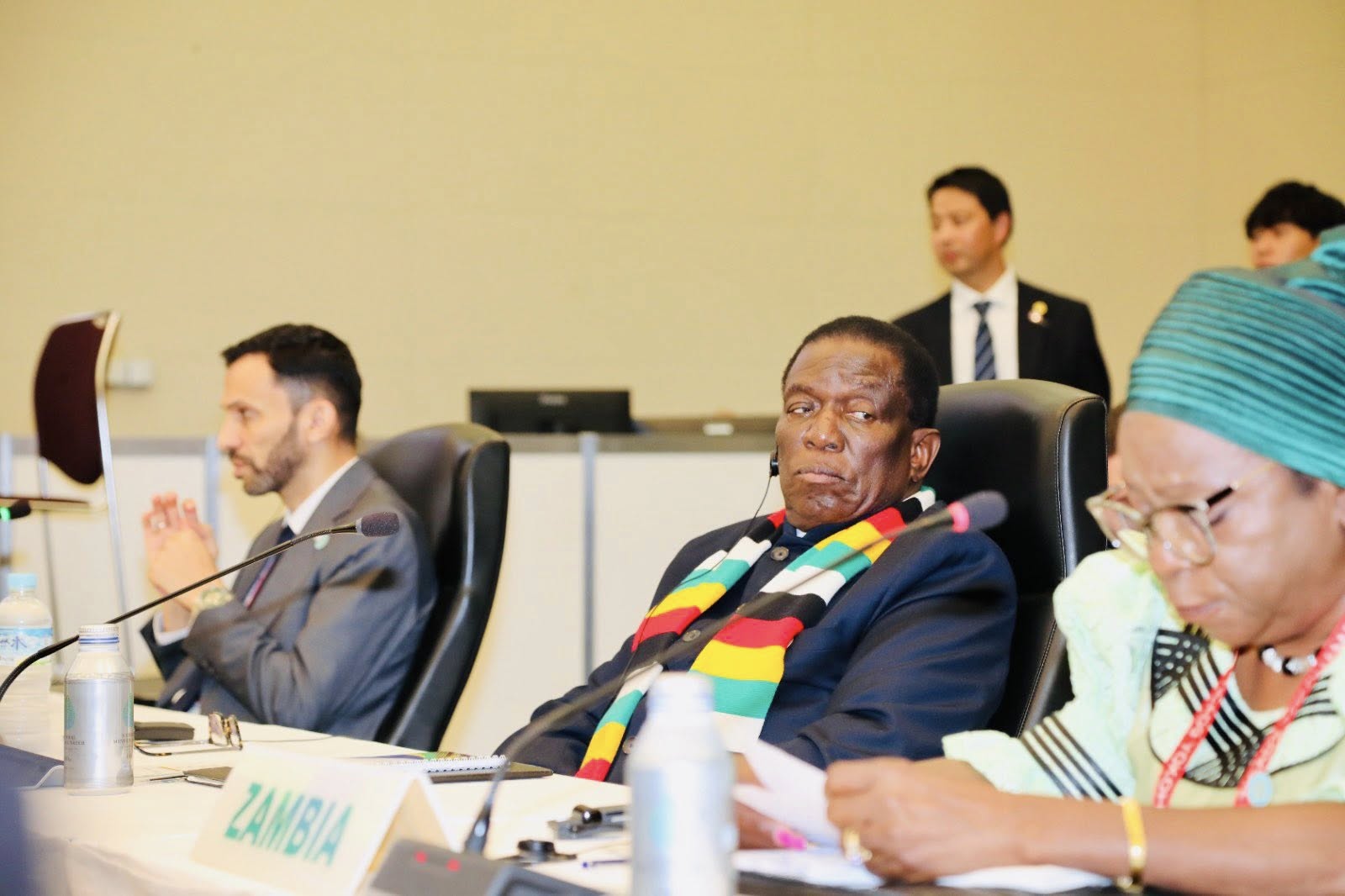
A headline deliverable was a partnership with Mozambique, Malawi, and Zambia to accelerate the Nacala Corridor. The plan strengthens rail, road, and port links to move critical minerals and farm exports to Asian markets through Nacala port.
Tokyo framed TICAD as a reset. More than 50 African leaders attended, but there was no repeat of past headline aid pledges. Instead Japan pressed for de-risking tools, concessional credit lines, and project preparation to unlock private money.
Prime Minister Shigeru Ishiba proposed building an Indian Ocean to Africa economic zone anchored on resilient supply chains, clean energy, and value addition at source. He said stable logistics and predictable rules would lift trade on both sides.
AfDB executives welcomed the shift and called the $5.5 billion envelope a catalyst for sovereign and corporate borrowers. They pointed to demand for grid upgrades, cross-border rail, cold chains, and data centers as immediate pipelines.
Southern Africa drew special attention. The Nacala Corridor commitments align with rising demand for battery minerals and food exports. Governments said streamlined customs and last-mile links will be paired with environmental safeguards.
Security and debt sustainability ran through the talks. Japan urged transparent procurement and open competition. African delegations pressed partners to localize manufacturing and training rather than ship raw commodities.
Climate finance remained a sticking point. Delegates sought faster access to adaptation funding and cheaper capital for renewables. Tokyo said blended finance would lower borrowing costs and speed delivery.
TICAD closed with a communique backing private investment, corridor development, and skills transfer. The test now shifts from pledges to projects as governments line up bankable deals before the next review.
About The Author


















Leave a comment