

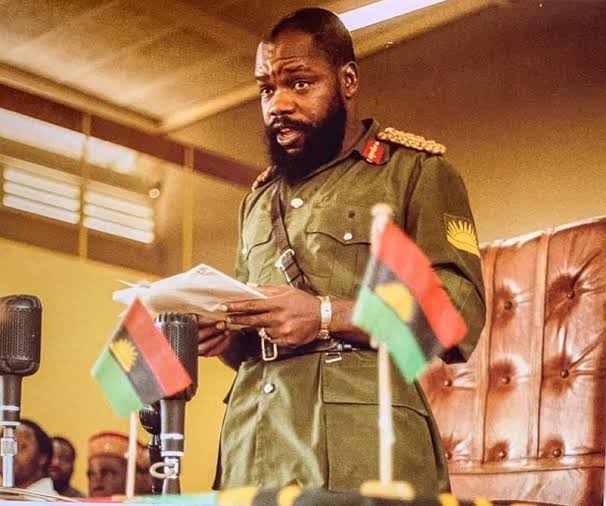
Remembering Ojukwu’s Return After 13 Years in Exile
I chose to turn a page on the past not necessarily to remember the ultimate return of Chukwuemeka Odumegwu Ojukwu after thirteen years in exile but to affirm that those who torpedo and trample on historical documentations have already sabotaged a vital section of people’s existence.
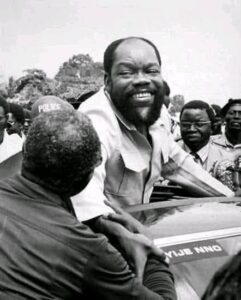
Following the end of the Nigerian Civil War, regarded by many Biafrans and Igbo people as one of the greatest human tragedies in African history, and by some as a genocide whose scale has never received adequate global recognition, June 18 remains a date of profound historical significance.
On May 18, 1982, President Shehu Shagari granted a state pardon to Chukwuemeka Odumegwu Ojukwu. Exactly one month later, on June 18, 1982, the former Biafran leader returned to Nigeria after 13 years of political exile in Côte d’Ivoire.
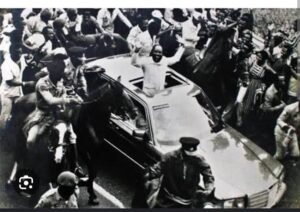
His homecoming created scenes of jubilation across Eastern Nigeria as millions gathered to welcome the man many regarded as the symbol of Biafra’s struggle and resilience.
More than the return of a former military leader, Ojukwu’s arrival represented a deeply emotional moment for a people still carrying the memories, losses, and unresolved wounds of a war whose human cost remains one of the most contested and consequential chapters in African history.
For many who witnessed the conflict and its aftermath, Ojukwu’s return was not merely a political event but a symbolic reunion between a people and a leader whose fate had become intertwined with their collective experience.
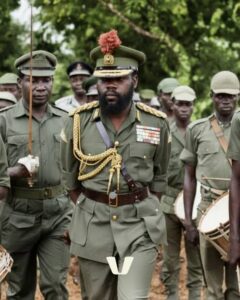
His arrival rekindled conversations about justice, reconciliation, national healing, and the place of the Igbo nation within the broader Nigerian project.
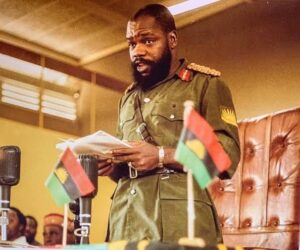
More than four decades later, the significance of June 18, 1982, continues to resonate across generations. While interpretations of the war and its legacy remain diverse, the enduring memory of Ojukwu’s return serves as a reminder of the resilience of a people, the weight of history, and the continuing search for understanding, recognition, and unity in the face of a painful past.
About The Author
















Leave a comment