

By Chinasaokwu Helen Okoro
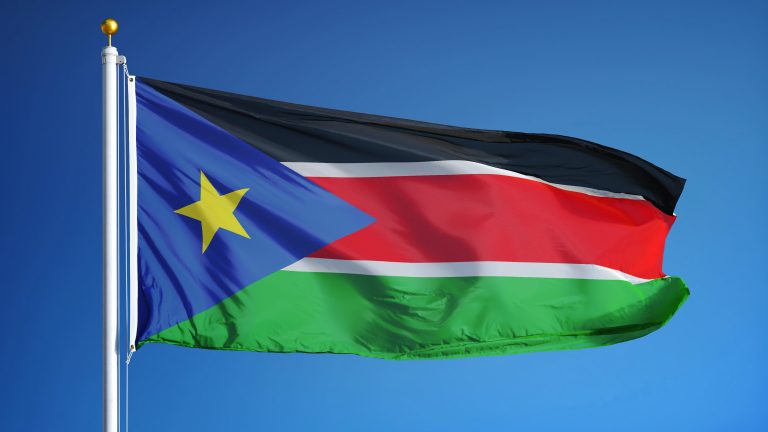
At 75, Galiche Buwa has lived through civil wars, famine and natural disasters, but the South Sudanese widowed mother of four always managed to get by, thanks to her grocery business.
Now, however, even that standby is on shaky ground, as the oil-dependent nation’s economy reels from revenue losses following the rupture of a key pipeline in its war-torn neighbour Sudan in February.
The damaged pipeline was crucial for transporting South Sudan’s crude oil abroad, with petroleum exports traditionally accounting for about 90 per cent of the impoverished country’s GDP.
The implications have been far-reaching, with inflation soaring as the value of the South Sudanese pound relative to the US dollar plunges on the black market, from 2,100 in March to 3,100 today.
The official rate slipped from around 1,100 in February to nearly 1,550 this month.
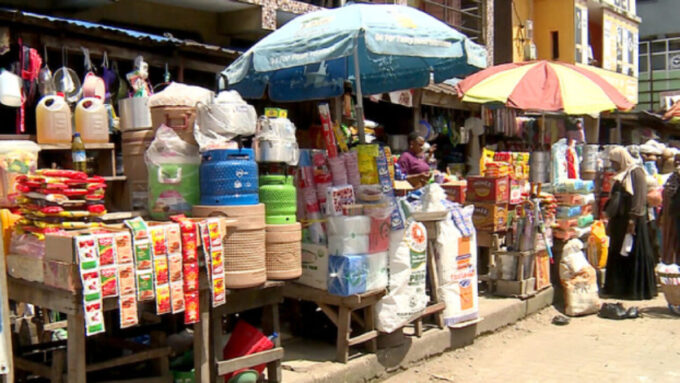
“Since the 1970s up to now I am still here, but these days we are suffering. Things are tough,” Buwa said as she glumly tended to her stall at the Konyo-Konyo market in the capital Juba.
“We are unable to buy stock, things are expensive… and prices keep rising every day,” she said, compelling her to purchase supplies on credit.
As wholesale costs shoot up, retail prices follow — a mug of maize sold by Buwa was worth 800 South Sudanese pounds in March, compared to 2,000 today, she said.
Teddy Aweye, a 28-year-old mother of two, said she was struggling to put food on the table, forcing her family to eat just one meal a day.
“You go to the market today, you get a price, and tomorrow you go back and you get a different price… I had to return home without buying anything,” Aweye told AFP.
Life is really very difficult.”
- Losses upon losses –
It is a common refrain across Juba’s biggest market, where several traders told AFP they were racking up losses daily.
Abdulwahab Okwaki, a 61-year-old butcher, said his business was in crisis.
A customer who used to (buy) one kilo is now taking half a kilo, and the one taking half a kilo now takes a quarter… and the one who was taking a quarter is not coming anymore,” he said.
The father of eight often loses money when he is unable to sell meat before it goes bad.
Many of his fellow butchers have simply quit, unable to make ends meet, he said.
Higher-end businesses have also taken a hit.
Harriet Gune, a 27-year-old entrepreneur, said her fashion boutique was losing customers.
“The more you increase prices for the items in the shop, the more you scare away clients,” she told AFP.
A pair of jeans that used to cost 25,000 South Sudanese pounds in March now sells for 35,000, she said, adding that she needed to raise prices “to be able to get enough money to order new stock”.
Develop alternatives’ –
Even government officials are feeling the pinch.
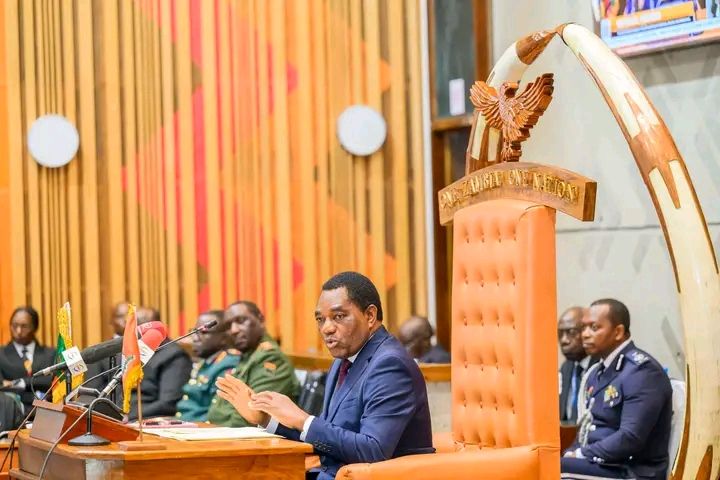
In May, Finance Minister Awow Daniel Chuang told parliament that the government would struggle to pay salaries to lawmakers, military, police, civil servants and other officials because of a shortfall in revenues.
He said the country was losing about 70 per cent of its oil revenues because of the pipeline rupture, which has affected exports of Nile blend crude and Dar blend crude.
“The production is only from Blocks 12, 14, and 58, which means there is only around 30 to 35 per cent of the oil that is flowing,” he said.
South Sudan was in crisis even before the pipeline shutdown sent shock waves through its economy, with fears that long-anticipated elections, currently scheduled for December, will be delayed.
In addition to rampant corruption draining its coffers — with the ruling elite routinely accused of plunder — the country is very vulnerable to currency shocks, because it imports nearly everything, including agricultural produce.
The fighting in Sudan between the army and the paramilitary Rapid Support Forces since April 2023 has only exacerbated the situation, analysts say.
The conflict has killed tens of thousands of people, forced millions to flee — including over 700,000 to South Sudan — and pushed Sudan to the brink of famine.
Economist and government advisor Abraham Maliet Mamer told AFP that South Sudan, which declared independence from Sudan in 2011, needed to plan ahead to secure its future.
Our country is suffering. We have less money, we have fewer services, and our security is a problem,” he said, urging the government to build refineries and pipelines through other nations.
“Sudan will never be the same again. Until we develop alternatives… we will be having issues,” he warned.
About The Author
















Leave a comment