

By : Chinasaokwu Helen Okoro
Rotting Cocoa, Broken Promises: Ivory Coast Farmers Stranded Without Buyers
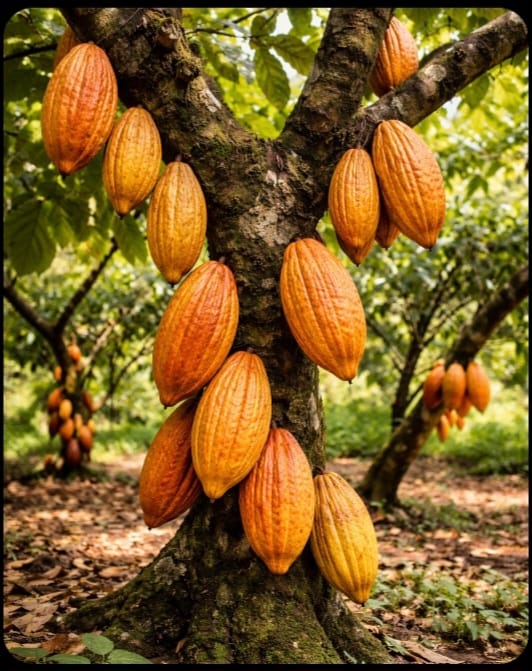
In the fertile cocoa-growing regions of Ivory Coast, the air is heavy with the sweet, fermented scent of cocoa beans drying under the sun. For generations, these farms have sustained families and fueled a global chocolate industry worth billions. Yet today, many cocoa farmers find themselves in a cruel paradox: they have cocoa to sell, but no one willing—or able—to buy it.
Ivory Coast is the world’s largest producer of cocoa, supplying more than 40 percent of global demand. From the western forests to the central belt, cocoa is not just a crop; it is a way of life. Each harvest season is meant to bring relief after months of labor—clearing fields, spraying against pests, harvesting ripe pods, fermenting and drying beans. But this season, that hope has turned into frustration and fear.
Across farming communities, sacks of dried cocoa beans lie unsold in storage rooms and village warehouses. Farmers say licensed buyers, known locally as pisteurs, are scarce or absent altogether. Where buyers do appear, many are offering prices far below the government-guaranteed farmgate rate, forcing farmers into a painful choice: sell at a loss or watch their produce deteriorate.
“We have cocoa, but no market,” says Kouadio Yao, a farmer in the central region. “If we keep it too long, moisture and pests will destroy it. If we sell cheaply, we cannot feed our families or pay school fees.”
The crisis is being blamed on a mix of global and local factors. On the international stage, volatility in cocoa prices, tighter financing conditions, and cautious buying by multinational traders have slowed the flow of purchases. Some exporters are reportedly holding back, uncertain about future prices and demand, while others struggle to secure credit to buy large volumes from farmers.
Locally, delays in payments, stricter quality controls, and the withdrawal of some buyers from rural areas have deepened the problem. Farmers complain that even cooperatives, once a lifeline, are overwhelmed or underfunded. Without cash to buy beans upfront, cooperatives are unable to absorb members’ produce, leaving individual farmers exposed.
The situation is especially painful because cocoa farming is labor-intensive and costly. Farmers borrow money to hire laborers, buy fertilizers, and maintain their farms, expecting to repay debts after harvest. When sales fail, debt piles up. Some families are forced to sell household assets, reduce meals, or pull children out of school to cope.
Women, who play a crucial role in cocoa farming and household management, are among the hardest hit. Many rely on cocoa income to support small trading businesses or pay healthcare costs. With no buyers, their economic independence is slipping away.
Experts warn that if the crisis persists, it could have long-term consequences for the sector. Farmers may abandon cocoa for other crops or illegal mining, accelerating deforestation and undermining Ivory Coast’s position in the global cocoa market. Ironically, this comes at a time when climate change and crop diseases have already threatened supply, pushing global cocoa prices to record highs.
Farmers are calling on the Ivorian government, regulators, and international chocolate companies to act swiftly. They want guaranteed enforcement of farmgate prices, easier access to credit for buyers and cooperatives, and stronger commitment from multinational firms that depend on their labor.
As the sun sets over the cocoa fields, the unsold beans remain—silent evidence of a system out of balance. For Ivory Coast’s cocoa farmers, the bitterness is not in the bean, but in the uncertainty of tomorrow.

About The Author

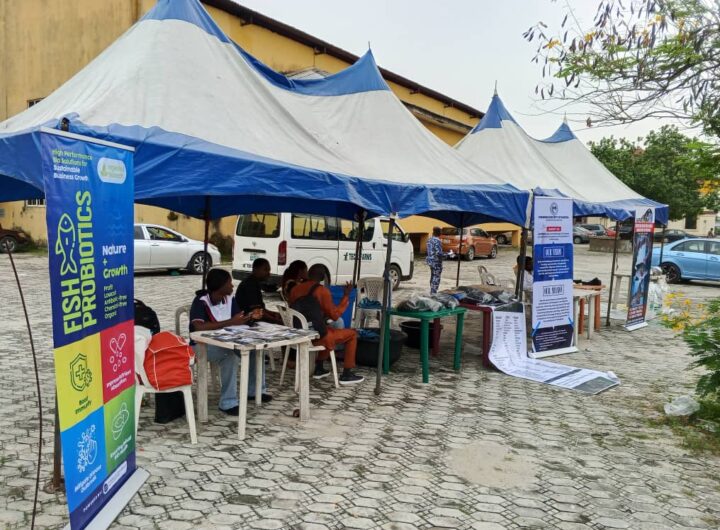 World Fisheries Day: Stakeholders Chart Course for Sustainable Aquaculture
  Ghana Raises Cocoa Prices by 62%, Sets New Rate at $5,040 Per Tonne
  Wild Africa urges action against bushmeat trade to prevent future pandemics
 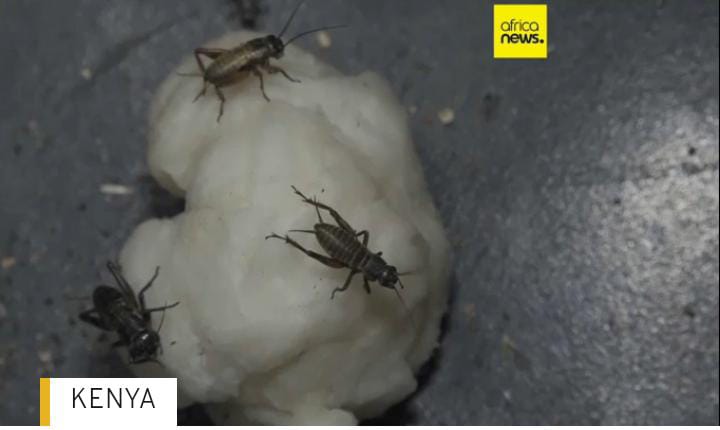 Kenya: Maasai Women Take Up Cricket Farming For Sustainability
 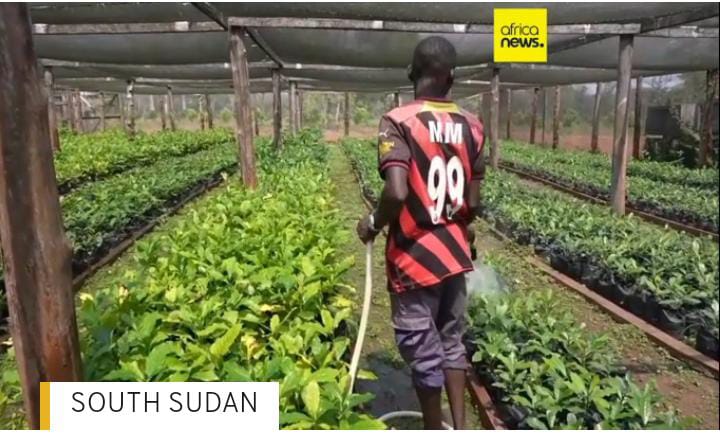 South Sudan : Excelsa Coffee Provides A Sustainable Coffee Industry
  First Lady distributes farm tools, resources to 200 farmers in Anambra State, Nigeria
  Onitsha Market Closure: Soludo Explains Rationale, Vows to End Sit-at-Home
  FIFA Rules Out World Cup Ban as Senegal Face CAF Sanctions Over AFCON Final Walk-Off
  Nollywood Actress, Angela Okorie Reportedly Detained Over Alleged Cyberbullying Linked to Mercy Johnson Case
  FCT Strike Persists as Workers Ignore Court Order, Keep Pressure on Wike