

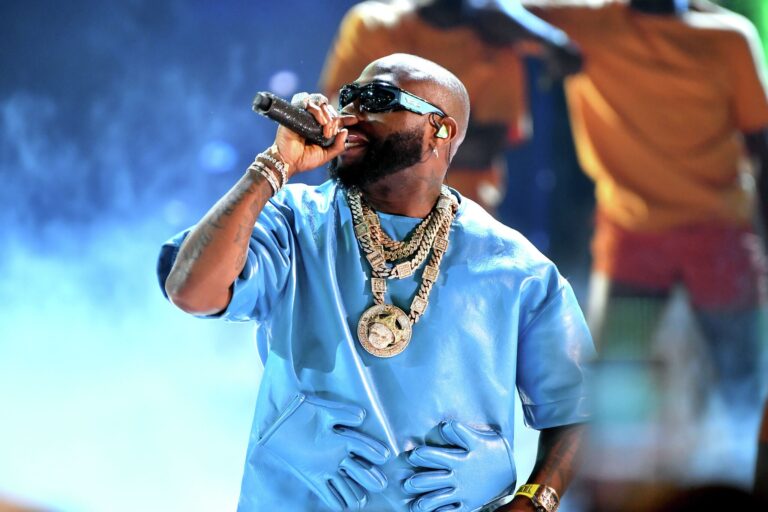
By Chinasaokwu Helen Okoro
The story of Afrobeats began in the 1960s when the legendary Nigerian musician Fela Kuti created a new genre of music that blended West African rhythms, jazz, funk, and political activism. He called it Afrobeat and it resonated not only within Nigeria but also beyond its borders. By the late 1990s, a new wave of Nigerian artists emerged, who used digital technology, hip hop, and dancehall to create catchy and upbeat songs that appealed to a more evolved audience. They called their music Afrobeats, with an “s”, to distinguish it from Fela’s Afrobeat.
In the 2010s, this evolved sound garnered global acclaim as artists like Wizkid, Davido, Burna Boy, Tiwa Savage, and others joined forces with international luminaries such as Drake, Beyoncé, Ed Sheeran, and Major Lazer. Their songs topped global charts and broke records. For example, Wizkid became the first African artist to sell out the O2 Arena in London in less than two minutes and attain platinum certification in the US. The global boom brought excitement to a lot of Nigerians (and most Africans). It signalled hope that the entertainment industry would attract more investment and development to the continent.
By 2021, international companies and social media platforms sought to tap into this burgeoning space. Warner Music Group, the second-largest record label, bought a majority stake in Africori, a prominent African digital music distribution, music rights management, and artist development company. This success trend became a part of a larger phenomenon of African entertainment gaining global recognition. From 2016 to 2022, Netflix invested a total of $175 million in African content. Today, this trend has also helped bring attention to other significant African contributions in sectors like sports, science, and technology. However, the bigger African entertainment seems to grow on the global stage, the more it appears to take away resources and opportunities from the local markets
Nigerian artists increasingly embarked on international tours to promote their music, leaving the local show business in a quandary. This year alone, Asake, Rema, and Ayra Starr have sold out events in major American and European cities and collaborated with international stars. Touring within Nigeria is, without a doubt, the less profitable option for artists. Aside from earning in a weaker currency, insecurity, and poor infrastructure increase their expenditure. However, this leaves out the local show business. Chuks Odoh, a music marketing expert, noted that Nigeria’s show business landscape had evolved, with a reliance on brand-sponsored events and the emergence of the “Detty December” culture at year-end.
This dilemma became more evident after this year’s edition of the Headies, arguably Africa’s biggest music award show, was held in Atlanta, USA, for the second year in a row. In the first year, the organizer, Ayo Animashaun, claimed that it was a cost-effective choice. However, hosting such a significant event outside the continent could deprive the local show business and economy of benefits like ticket sales, advertising revenue, catering services, security contracts, transportation, and hospitality. Additionally, it could disconnect the local audience from the opportunity to witness and celebrate their favourite artists in person, fostering a sense of alienation.
The African entertainment industry, encompassing music and film, is a substantial economic force. In 2021, it generated revenue totalling $14.5 billion, $4.4 billion, and $1.8 billion across South Africa, Nigeria and Kenya respectively. Entertainment in Africa also employs about one million people, directly and indirectly. This industry possesses the potential to elevate Nigeria’s international reputation, attract foreign investment, and bolster tourism. PwC forecasts that the Entertainment and Media (E&M) revenue in these three markets will surge to $19.9 billion, $9.8 billion, and $2.9 billion by 2026.
Another concern is that the industry risks losing its cultural identity and diversity, similar to what transpired with Caribbean music. Caribbean music, once a reflection of rich and diverse cultural influences, became commodified and diluted by foreign entertainment companies. According to the journal by Mike Alleyne, a professor at Middle Tennessee State University, over the years, Caribbean music was turned into a product, losing its essence in the process. A global boom can also leave room for appropriation of African culture, without proper credit or compensation. For example, recently, a viral TikTok video explains how a Korean musician used Afrobeats sound without collaborating with Nigerian artists and patented the song, restricting Nigerians from accessing or using it.As Africa’s entertainment continues to be at the forefront of cultural globalization ahead of 2050, it has become imperative to ensure its economic sustainability and growth.
About The Author





















Leave a comment