

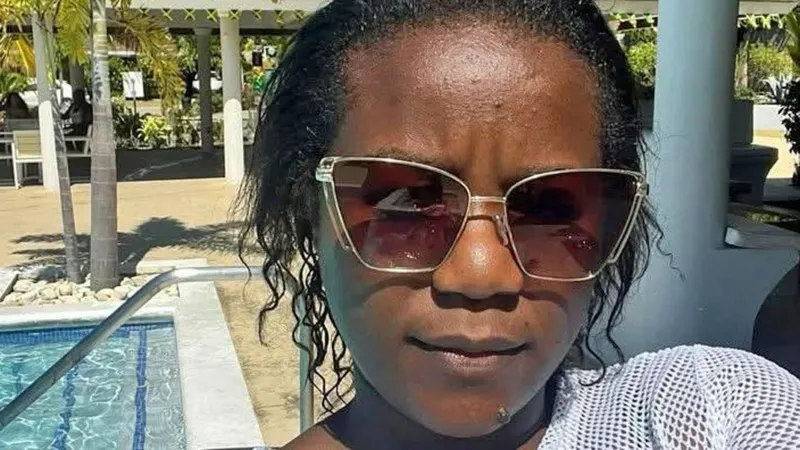
By : Chinasaokwu Helen Okoro
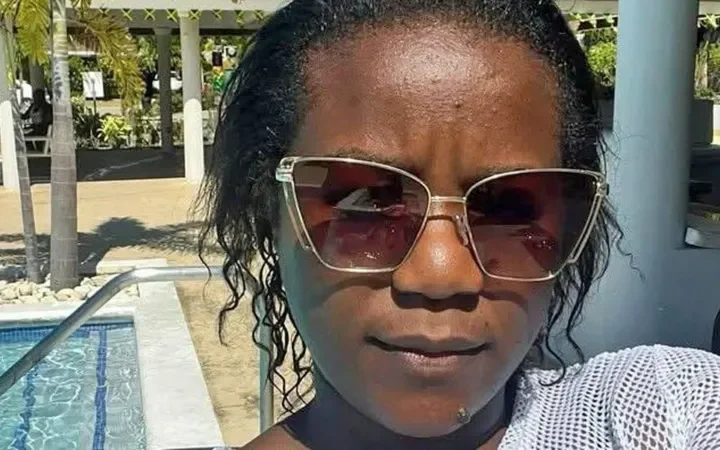
Zambian-American Influencer Jailed 18 Months — A Loud Warning Against Hate Speech
Bright midday sun filtered through the barred windows of Lusaka Central Prison as “Avery Mwansa” — a Zambian-American social-media influencer once celebrated for her bold livestreams and outspoken views — sat quietly on the narrow bunk. The noise of clinking metal gates and distant footsteps echoed in the hall. Somewhere inside those walls, the laughter of an online audience she once commanded had gone silent.
Avery had arrived in Zambia earlier this year for a family visit. Back in the United States she had built a following with candid vlogs, often addressing political and tribal issues in Zambia. What began as edgy commentary gradually morphed into rancor. Her posts, peppered with harsh contempt and inflammatory remarks toward ethnic communities, slowly crossed the line from provocation to hateful provocation. She had dismissed warnings.
Local activists had flagged her content. Civil-society groups petitioned authorities; some of her earliest supporters unfollowed her. Then, one crisp morning, a court summons arrived. What had seemed like distant consequences now loomed dangerously close.
In court, prosecutors laid out a troubling timeline — dozens of videos, livestreams, social-media posts containing language that stoked hatred, ridicule and tribal hatred. They argued her content threatened social cohesion, fomenting division and hostility among communities. Despite her defense — a shaky argument that she was exercising free speech and merely satirising political tensions — the judge found her guilty. She was sentenced to 18 months in prison, along with a fine.
Now, Avery sits in a cramped cell, stripped of the familiar glow of her laptop screen, separated from her online followers, her phone confiscated, her influence reduced to murmurs among inmates.
Her conviction sparked outrage online. Some praised the sentence as a necessary stand against hate speech; others decried it as suppression of free expression. In hushed comments on digital platforms, a familiar refrain echoed:
> “We can’t condone hate — especially not from those claiming to speak truth.”
“This is a sad day for activism-on-YouTube, but maybe a necessary one.”
Inside the prison, Avery spends her days confined behind cement walls. Outside, political commentators and civil-society organisations debate the case. The proceedings revive memories of earlier prosecutions in Zambia, such as when a social-media blogger was charged under hate-speech and sedition laws.
For some, Avery has become a cautionary tale. For others, a martyr to strict enforcement. But perhaps the most lasting legacy of her downfall is a renewed conversation — about where the line lies between free speech and incitement, between bold commentary and destructive hate.
To the viewers who once tuned in to hear her opinions, the screen now stands dark. And to a broader public wrestling with national identity, unity, and respect, the silence speaks louder than any livestream ever could.

About The Author

 BIAFRA, KANU, AND NIGERIA’S CROSSROADS: UKACHUKWU OKORIE SPEAKS IN CANDID INTERVIEW WITH IRODILI
  MARAN to unveil landmark publication honouring drivers of Nigeria’s blue economy
  THE MAKING OF A PAN-AFRICAN CULTURAL ICON: DR. JAMEZANY JAMES IN AN EXCLUSIVE SESSION WITH IRODILI C. IROEGBU INTERVIEWS
  UNICEF, NGE DAME Symposium: Unified child’s law key to protecting Nigeria’s children —— Braimah
 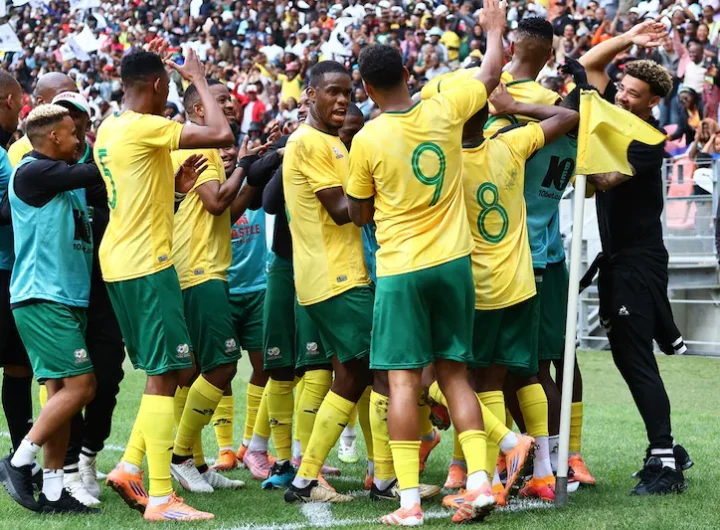 Safa Confident Bonus Talks With Bafana Will Be Settled Before Afcon
  Turmoil in Bissau as President Embaló Arrested Amid Heavy Gunfire
  Zambian-American Influencer Jailed 18 Months — A Loud Warning Against Hate Speech
  Nigeria’s Defence Chief Steps Down as Kidnapping Nightmare Deepens