

By: Chioma Madonna Ndukwu
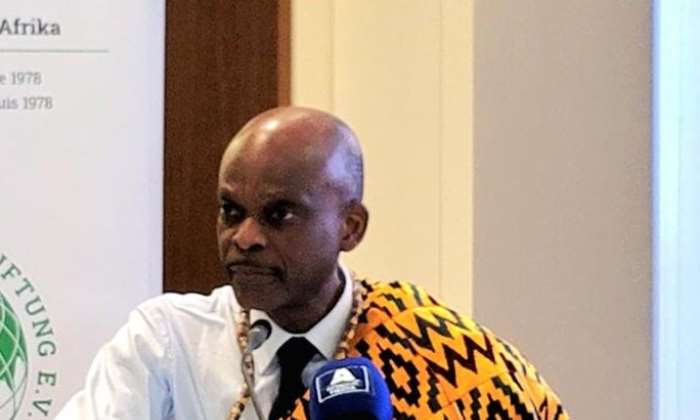
Togo’s Foreign Minister, Robert Dussey, is spearheading a Pan-African initiative to reclaim Africa’s historical narrative and advocate for reparative justice. Speaking at the “London Conference: 125 Years Later, Pan-Africanism and Dialogue on Reparation” held at SOAS, University of London, Dussey challenged dominant colonial accounts that downplay Africa’s intellectual and human rights heritage.
He highlighted the Charter of Manden, a 13th-century legal and social constitution from the Mali Empire, as “one of the oldest constitutions in the world”, noting that it enshrined values of social harmony, human rights, and environmental protection centuries before Europe’s Enlightenment documents. “It is not true that Africans did not know anything about protecting the rights of their people,” he said, calling for African children to be taught their true history.
Dussey linked the suppression of such histories to the broader legacy of colonization, emphasizing that the upcoming 9th Pan-African Congress in Lomé, Togo, will revive the continent’s demands for “greater justice and equality.” He insisted, “Our pain is acute… Togo is committed to working towards reparation and reconciliation with the past and for the advent of a better world.”
Prominent voices echoed his stance. Akyaaba Addai-Sebo, credited with establishing Black History Month in the UK, described Pan-Africanism as a necessary “act of decolonisation”, asserting, “We decolonise to humanise.” He condemned colonial narratives that degraded African knowledge systems and culture.
Barryl Biekman, from the African Diaspora Commission, urged the global community to declare 2026 as a Year of Remembrance and Renewal, marking 25 years since the Durban Declaration. Meanwhile, Eric Philips of the Guyana Reparation Committee argued, “the real crisis of our time is not memory, but measurement… Not guilt, but accountability,” and warned, “this generation will not walk away with apologies alone.”
SOAS Deputy Vice-Chancellor Laura Hammond reinforced institutional commitment to equitable academic collaboration, stating, “Africa has huge potential… there is a need to support the education and training of the next generation of political leaders, entrepreneurs, artists and thought leaders.” She highlighted ongoing joint programmes with African universities to make quality education more accessible.
The conference, held 125 years after the first Pan-African Congress in London in 1900, served as both a remembrance and a rallying point for global African unity, historical redress, and the unfinished struggle for justice.
About The Author














Leave a comment