

By : Chinasaokwu Helen Okoro
Nigeria’s Defence Chief Steps Down as Kidnapping Nightmare Deepen
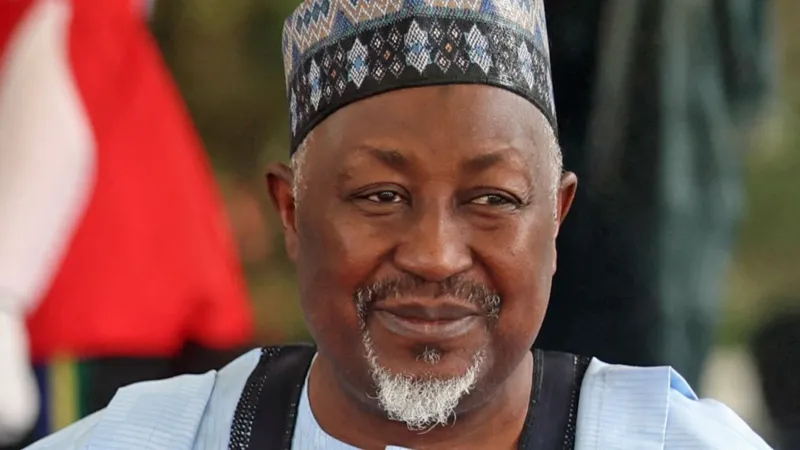
In the translucent light of early December dawn, a letter arrived at the door of the presidency in Abuja — terse, formal, and final. It bore a single line that would send shockwaves across the nation: “I hereby resign my appointment with immediate effect.” The architect of that note was Mohammed Badaru Abubakar, Nigeria’s Minister of Defence, whose sudden departure has left the country stunned amid a surge of mass kidnappings and mounting violence.
For months now, fear has gripped communities across northern Nigeria. School-compounds — once safe harbors of learning — have been turned into traps. Dozens of children, in towns and villages alike, vanished under the cover of night. Entire school buses were ambushed. Parents clawed at hope. Local vigilantes scoured forests in vain. Under mounting public pressure, the national mood darkened. Critics pointed to repeated failures by the military and the police, demanding accountability, results — and lives spared.
Officially: health reasons. In his letter, Badaru pleaded ill-health, which the presidency accepted. On the surface, it seems a quiet exit: a seasoned politician bowing out. But in boardrooms, village squares and online chatter, the interpretation is louder — this was a forced hand, a response to the crescendo of outrage echoing from Kaduna to Katsina, Sokoto to Niger State. The resignation came mere days after the government declared a nationwide security emergency.
President Bola Tinubu — who announced the emergency — wasted no time in meeting the recently retired former Defence Chief, Christopher Gwabin Musa, prompting widespread speculation that the general could soon replace Badaru. The abrupt change at the top raised more questions than it answered.
The Final Straw
For many Nigerians, the turning point came not when the first child disappeared, but when hundreds vanished at once. In a single night in late November, more than 300 schoolchildren — pupils of a Catholic boarding school — were abducted from their dormitories, their screams ripped into the night sky. The next morning brought heartbreak, anger, and national reckoning. At least 400 people have reportedly been abducted nationwide since mid-November alone.
Alarmed by the rising death toll and the persistent wave of kidnappings, parents and civil society demanded urgent action. The failure of successive rescue attempts, and the inability of security forces to pre-empt the attacks, exposed cracks in planning, intelligence, and coordination. The ministries that were meant to protect them now looked sluggish, crippled by bureaucracy, inertia, or worse — indifference.
Badaru — a former two-term governor of Jigawa State and an accountant-turned-politician — presided over the defence portfolio for just over two years. But for many, his leadership now appears emblematic of state failure: a technocrat in a time of war, a minister out of depth for the magnitude of chaos.
A Crisis of Confidence
By resigning, Badaru may have deflected immediate blame — but his exit leaves a deeper wound. For citizens waiting for rescue, for families still searching for children, and for communities living in fear, the message is chilling: when national security collapses, even the man meant to oversee its protection will step aside.
Observers warn of a growing trust deficit. If not addressed, the crisis could spiral further — creating a vacuum where criminal gangs, militias or insurgents may fill the void. The name on the door may change, but the dangers remain.
As dawn breaks again over Abuja, a new name might sit at the Defence Ministry. But across Nigeria’s North, those who sent their children to school today no longer trust that the lights will stay on — or that those children will come home. The resignation of Mohammed Badaru Abubakar marks not just a shift in personnel, but the stark admission of a security state in retreat.
About The Author



















Leave a comment