


By : Chinasaokwu Helen Okoro
Dangote Group President Accuses NMDPRA Chief of Corruption, Sparks National Debate
A storm of controversy has erupted in Nigeria’s oil and gas sector following allegations of corruption leveled against the Chief Executive Officer of the Nigerian Midstream and Downstream Petroleum Regulatory Authority (NMDPRA), Mallam Farouk Ahmed, by President of the Dangote Group, Aliko Dangote. The accusation, which has quickly gained public attention, has reopened long-standing concerns about transparency, regulatory integrity, and the uneasy relationship between big business and government oversight.
According to statements attributed to the Dangote Group, the allegations center on claims of unexplained wealth and lifestyle inconsistencies allegedly linked to the NMDPRA boss. One of the most striking assertions is that Mallam Farouk reportedly spent as much as $5 million on the secondary school education of four of his children in Switzerland. The Dangote Group argues that such an amount, if accurate, raises serious questions about the source of the funds and whether they are consistent with the earnings of a public servant.
“This is not about personal vendetta,” sources close to the Dangote Group said. “It is about accountability and the credibility of regulatory institutions that are meant to serve the Nigerian people fairly and transparently.” The group insists that its concerns stem from what it describes as persistent regulatory hurdles and actions by NMDPRA that allegedly undermine local refining and investment efforts, particularly at a time when Nigeria is striving for energy self-sufficiency.
Industry analysts note that tensions between the Dangote Group and petroleum regulators have been simmering for months, especially following disputes over licensing, product quality standards, and market access. The Dangote Refinery, a flagship private investment touted as a game-changer for Nigeria’s fuel import dependence, has faced several regulatory challenges since its launch. Supporters of Dangote argue that regulatory bottlenecks may be driven by vested interests resistant to reform.
However, the allegations against Mallam Farouk Ahmed remain claims, not established facts. As of the time of this report, no court has found the NMDPRA chief guilty of corruption, and no official investigative report has been made public to substantiate the accusations. Legal experts warn that while public scrutiny of officials is healthy in a democracy, allegations must be backed by evidence and subjected to due process.
In response, allies of the NMDPRA CEO have described the claims as “reckless and misleading,” insisting that Mallam Farouk Ahmed has served with integrity. They argue that sending children abroad for education, even at great cost, does not automatically imply corruption and caution against turning public discourse into a trial by media. They also stress that regulatory decisions affecting powerful corporations should not be interpreted as personal hostility.
Civil society groups have seized the moment to renew calls for independent investigations into the finances of top public officials, as well as greater transparency across regulatory agencies. “Whether these allegations are true or false, the only way to restore public confidence is through an open and impartial probe,” said one anti-corruption advocate. “Nigeria cannot afford regulatory institutions whose integrity is in doubt.
As the debate rages, the controversy highlights a deeper issue within Nigeria’s governance framework: the fragile trust between regulators, investors, and the public. For many Nigerians, the allegations resonate with broader frustrations over corruption and elite privilege, especially amid economic hardship.
Ultimately, the accusations against Mallam Farouk Ahmed and the NMDPRA underscore the urgent need for transparency, accountability, and institutional credibility. Whether the claims will lead to formal investigations or fade into political noise remains to be seen. What is clear, however, is that the episode has once again placed the spotlight on the intersection of power, wealth, and responsibility in Nigeria’s oil and gas industry.

About The Author

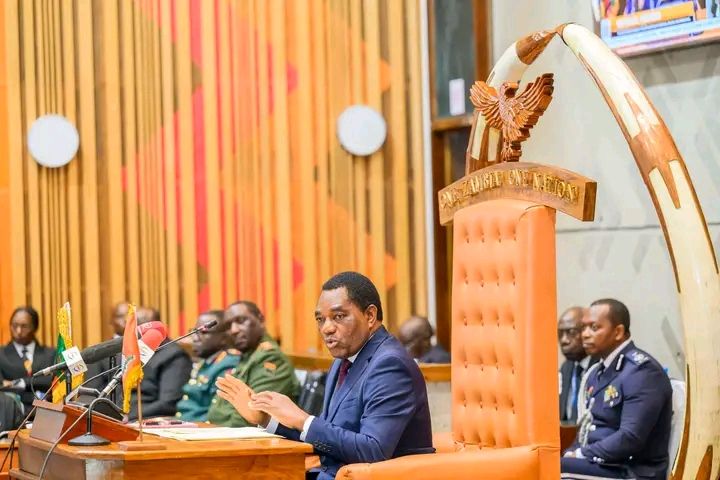 Zambia’s Hichilema’s Makes His Case: Stabilisation, Reform and the Road to 2026
 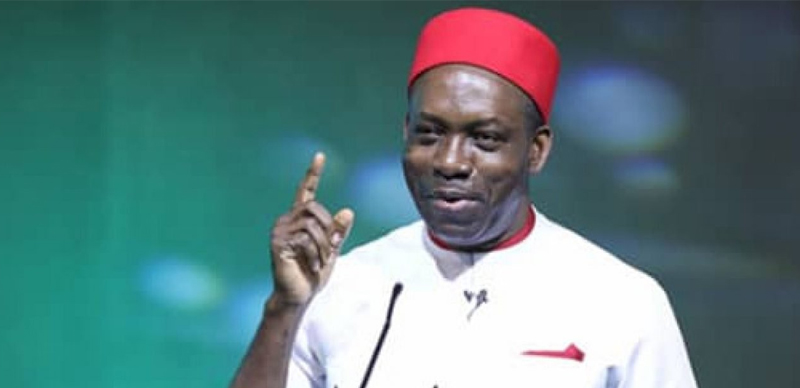 Nigeria: Soludo Shuts Onitsha Main Market for One Week in Fresh Push Against Monday Sit-at-Home
 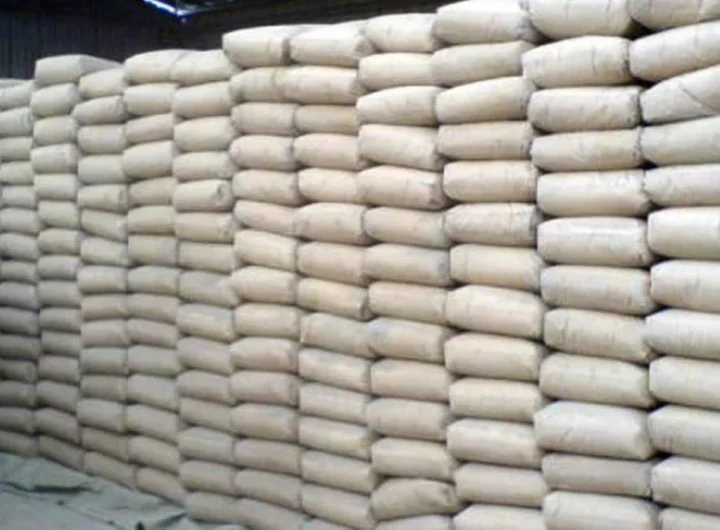 Cement Prices Rise Again in Nigeria as Builders and Renters Face Fresh Pressure
 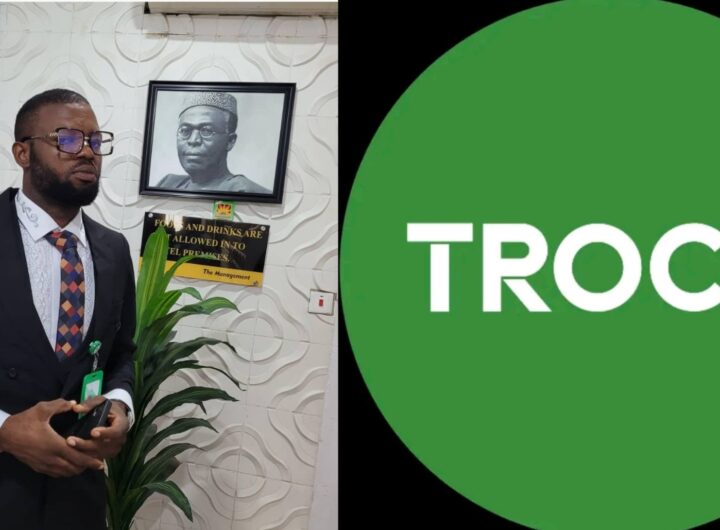 Ibeh Ugochukwu Bonaventure on Troco Technology: Building Trust Where Nigerians Once Took Risks
  Nigeria : Rising Opposition Shadows Tinubu’s Tax Plan as January 1 Implementation Nears
  Oritsemeyiwa Eyesan: Seven Things to Know About Nigeria’s New Oil Referee Steering a Critical Sector
  Onitsha Market Closure: Soludo Explains Rationale, Vows to End Sit-at-Home
  FIFA Rules Out World Cup Ban as Senegal Face CAF Sanctions Over AFCON Final Walk-Off
  Nollywood Actress, Angela Okorie Reportedly Detained Over Alleged Cyberbullying Linked to Mercy Johnson Case