

By: The Editor-in-Chief
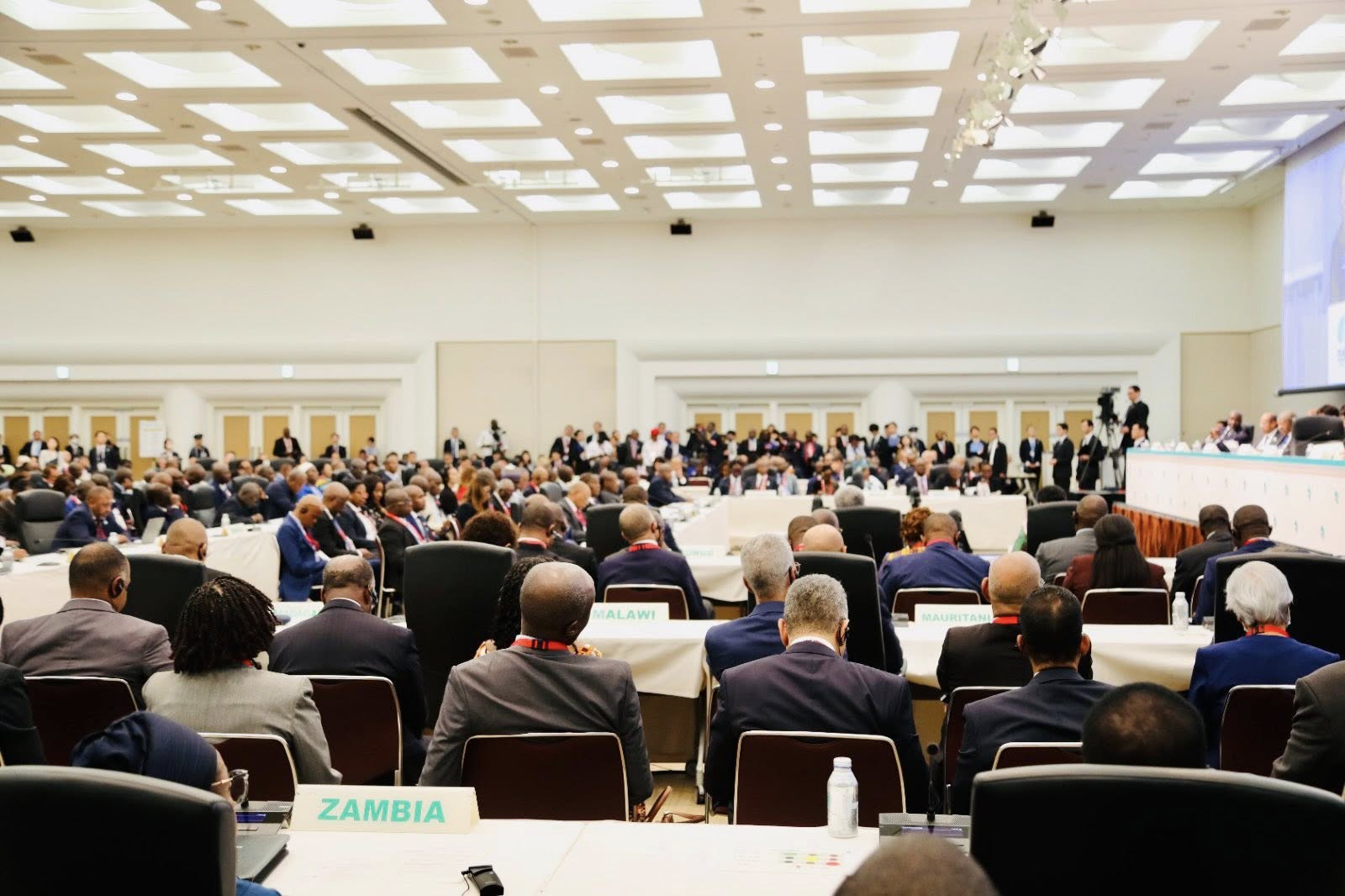
Japan closed TICAD with a clear signal: less talk of aid, more money for bankable projects. The $5.5 billion facility routed through the African Development Bank and the push to fast-track the Nacala Corridor are not charity. They are a bid to anchor supply chains, minerals, food exports, and data traffic to Asian markets. Africa should welcome the shift to investment, then negotiate hard to lock in local value creation, skills, and technology transfer.
The Nacala promise is real only if it moves beyond rails and roads to factories and smelters. Mozambique, Malawi, and Zambia do not need a faster route to export raw ore and unprocessed maize. They need cathode plants, fertilizer blending, food-grade storage, and cold chains that raise incomes at the origin. Corridor money must ring-fence funding for last-mile links, border digitalization, and power reliability so firms can build where the jobs will actually be.
De-risking cannot become code for privatizing profits and socializing losses. Blended finance should carry enforceable conditions on transparency, open tendering, and publication of project documents. Governments must publish debt terms, contingent liabilities, and viability gap funding. AfDB and Japan can lead by making disclosure a precondition for every dollar.
Climate will make or break these plans. Ports and tracks built today must withstand cyclones and floods. Every corridor should include renewable power, grid stability, and water safeguards as core design, not extras. Adaptation finance must move faster and cheaper, or Africa will pay twice: once to build, then again to rebuild.
Local content must be a metric, not a slogan. Set targets for African engineers on site, for apprentices trained, for components sourced domestically, for research partnerships with African universities, and for women-owned businesses in the supply chain. Tie disbursements to meeting those targets each quarter.
Security and governance remain the elephant in the room. Investors will not stay if contracts are opaque and rules shift after elections. Governments must keep politics out of procurement, pay contractors on time, and police rights abuses on project sites. A single scandal can chill capital across a region.
TICAD’s pivot is an opportunity to reset how Africa finances growth. If the $5.5 billion buys only concrete, the continent will repeat old mistakes with shinier tools. If it buys capacity, credibility, and competitive industries, Africa will own a larger slice of tomorrow’s value chains. The difference will be decided in the tender room, not the summit hall.

About The Author

 Ibeh Ugochukwu Bonaventure on Troco Technology: Building Trust Where Nigerians Once Took Risks
  Funnyfreakc Opens Up To Irodili: 5 Secrets Behind His Comedy Rise
  2025: A Defining Year of Global Impact for Amb. Dr. Jamezany James in Pan-African Cultural Diplomacy
  AfricaWorld Man of the Year 2025: Ibrahim Traoré, Positive Defiance
  One-on-One with Peter Armand Boyo: The Lion Who Tells His Own Story. The Pan-African actor, filmmaker, and cultural advocate reflects on African storytelling, cinema, and identity on the global stage.
  TC Wanyanwu Breaks Silence: 30 Hard-Hitting Questions on Jesus is a Black Man Answered by the Author in Exclusive Interview with Pan-African Journalist Mr. Irodili
  Zambia’s Hichilema’s Makes His Case: Stabilisation, Reform and the Road to 2026
  Onitsha Market Closure: Soludo Explains Rationale, Vows to End Sit-at-Home
  FIFA Rules Out World Cup Ban as Senegal Face CAF Sanctions Over AFCON Final Walk-Off
  Nollywood Actress, Angela Okorie Reportedly Detained Over Alleged Cyberbullying Linked to Mercy Johnson Case