
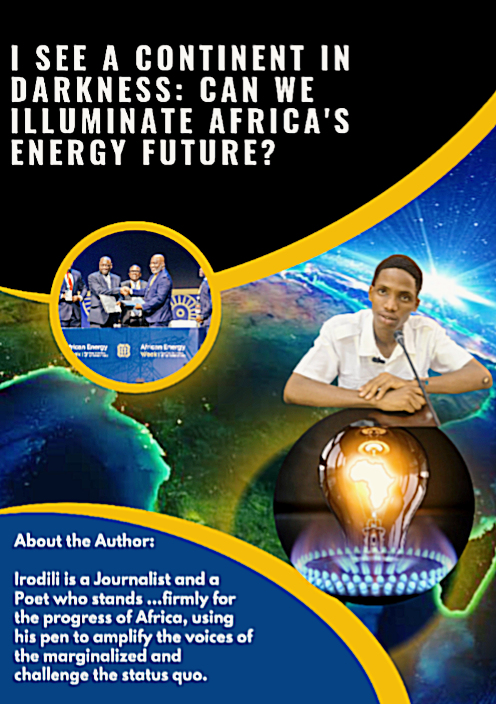
I SEE A CONTINENT IN DARKNESS: CAN WE ILLUMINATE AFRICA’S ENERGY FUTURE?
About the Author: Irodili is a Journalist and a Poet who stands …firmly for the progress of Africa, using his pen to amplify the voices of the marginalized and challenge the status quo.
Africa’s energy future remains a hope, waiting to be renewed. I am often overwhelmed by the intricacies surrounding the continent’s lack of power supply, despite the progress made.
As I gaze upon the African continent, I see a landscape shrouded in darkness, where over 600 million people lack access to electricity. Africa’s energy future remains a pressing concern, with many countries struggling to provide reliable and sustainable power. As I reflect on the complexities of Africa’s energy landscape, I am compelled to ask: can we illuminate Africa’s energy future?
“The earth has enough resources for our need, but not enough for our greed.” – Mahatma Gandhi
This profound statement resonates deeply with me as I consider Africa’s energy conundrum. As I strive to understand the intricacies of this issue, I am reminded that our pursuit of economic growth and development must be balanced with the imperative of environmental sustainability. The fate of Africa’s energy future hangs in the balance, and I believe it is our collective responsibility to ensure that we harness the continent’s energy resources in a way that prioritizes the well-being of both people and the planet.
Africa challenges is rigour to the entire citizens, like I said earlier, over 600 million people lack access to electricity, many households rely on expensive, polluting energy resources, limited investment in energy projects, particularly renewable energy and so on
This is a widespread issue, with over 580 million people lacking access to electricity in sub-Saharan Africa alone. In West Africa Countries like Ghana and Senegal rely heavily on imported oil and natural gas, leading to rising costs and power shortages.
My country Nigeria, despite being Africa’s largest economy, Nigeria struggles with low electricity supply, affecting businesses and households alike which led some people seeking for greener pastures, not because there’s no other means to get light supply, but fuel for those that have generator is costly which has left people wounded financially and otherwise.
Many rural areas across Africa have little to no access to electricity, with some countries having as low as 8% of rural residents connected to the grid
Sub-Saharan Africa, as a region, faces significant energy challenges, with three-quarters of firms experiencing power outages and many households relying on alternative sources like diesel generators.
Ghana relies heavily on imported oil, which burdens the country’s economy, with significant renewable energy potential, but development has been slow, Ghana experiences frequent power outages due to inadequate generation and transmission capacity. That’s to say, since Ghana relies heavily on imported oil, it’s a load to the economy which affects the citizens entirely.
South Africa’s state-owned power utility, Eskom, faces significant financial challenges, affecting its ability to provide reliable power, they experiences frequent load shedding due to inadequate power generation capacity, South Africa’s energy costs are high, affecting businesses and households. What about Kenya? Kenya is now facing challenges in electrifying rural areas, where many communities lack access to electricity, relying heavily on fossil fuels, which contributes to greenhouse gas emissions. Even many Kenyan households struggle with energy poverty, relying on expensive and polluting energy sources.
During Abacha’s regime, it was marked by corruption and mismanagement of Nigeria’s oil wealth, exacerbating the country’s energy crisis, Mobutu’s regime was also characterized by corruption and nepotism, leading to the neglect of the country’s energy infrastructure, Mugabe’s government was criticized for its handling of the energy sector, including the mismanagement of state-owned enterprises and the failure to invest in renewable energy, Zuma’s administration was marred by corruption and state capture, which affected the energy sector, including the mismanagement of state-owned power utility Eskom.
You can verify this on Google
These leaders’ policies and actions have had lasting impacts on their countries’ energy landscapes, influencing the trajectory of Africa’s energy future.
But thanks to great pan Africanists and leaders, both present and past like Nelson Mandela of South Africa, whose administration invested in renewable energy and implemented policies to increase energy access for the poor.
However, Mahama’s government launched initiatives to increase renewable energy production and improve energy efficiency. I can’t forget Kenyatta’s administration who prioritized renewable energy development, particularly geothermal and solar power even though I discovered little information about him.
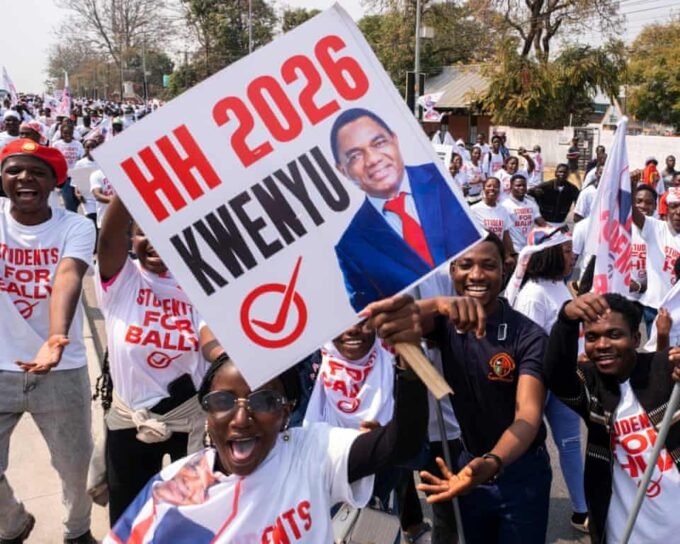
Hichilema’s government also emphasized the importance of renewable energy and has implemented policies to attract investment in the sector.
I still believe that conflict and instability, like Nigeria’s oil theft, Democratic Republic of Congo energy infrastructure attacks and so on are a big problem to African energy
Let’s not forget the recent power outages in Africa, particularly in South Africa, have indeed had devastating consequences, resulting in loss of life, for example, Neyamiah James, a three-year-old girl died after her home oxygen machine ran out of backup power due to extended electricity outages in Johannesburg, Yengiwe Mthimunye, a patient died after being turned away from Waterval Clinic in Mpumalanga due to a power outage, a man died after being refused entry to a clinic in Limpopo reportedly due to a power outage, although, his name remains anonymous till now, five farmworkers died from heatstroke in Kakamas in the Northern Cape, allegedly due to power outages.
Africa needs solution. The continent’s energy crisis is a complex issue, exacerbated by factors like corruption, inadequate infrastructure, and climate change
South Africa has been experiencing recurring power outages since 2007, with the most recent crisis beginning in March 2021. The country’s energy grid has been plagued by issues such as aging infrastructure, corruption, and sabotage.
African leaders and energy stakeholders must invest in renewable energy, improve infrastructure, promote energy efficiency, and develop energy storage systems to address the continent’s energy crisis, which requires immediate attention and reform to prevent further loss of life and economic stagnation. They must invest in solar, wind, hydro, and geothermal energy to reduce dependence on fossil fuels, while upgrading and maintaining existing infrastructure to reduce power outages and increase efficiency, they must promote energy-efficient practices and technologies to reduce energy consumption, and investing in energy storage systems to stabilize the grid and provide backup power during outages, fostering regional cooperation to facilitate the sharing of energy resources, expertise, and best practices, while supporting energy access programs to increase energy access for underserved communities, promoting economic development and poverty reduction, they should also encourage private sector investment to create an enabling environment for competition and innovation, but African leaders must also acknowledge the urgent need for energy reform, the imperative to address climate change, and the critical role of reliable and affordable energy in promoting economic growth, job creation, and poverty reduction.
The energy crisis has severe humanitarian implications, including increased mortality rates, displacement, and human rights violations, and can exacerbate regional tensions, undermine stability, and threaten peace and security, which is why African leaders, energy ministers, and stakeholders must prioritize energy development and take urgent action to address the energy crisis and promote sustainable development in Africa.
“The future belongs to those who believe in the beauty of their dreams.” But, will African leaders rise to the challenge and prioritize energy development to secure a brighter future for the continent?
About The Author












Leave a comment