


By Ollus Ndomu
President Peter Mutharika has announced this week a nationwide ban on the export of unprocessed minerals, saying all raw materials must now be refined or processed locally before leaving the country.
The decision forms part of a broader strategy aimed at industrializing Malawi’s economy and ensuring that the nation reaps full value from its natural resources. Mutharika said the policy will help create jobs, strengthen domestic industries, and increase state revenue.
“From now on, no unprocessed mineral resources will leave Malawi,” he declared during a press briefing in Lilongwe. “We must build a country that adds value to what it owns, not one that exports its wealth for others to benefit.”
Malawi is rich in minerals such as bauxite, uranium, graphite, and rare earth elements, yet most of its exports have traditionally left the country in raw form. According to government estimates, the country could earn over $500 million annually by developing its mineral sector through local processing and value addition.
The administration has begun investing in strategic mining sites, including rutile deposits in Kasiya, Lilongwe, and rare earth elements at Kangankunde in Balaka. These projects are expected to anchor Malawi’s industrial growth plans and attract foreign investors willing to establish processing plants inside the country.
Mining experts have welcomed the move but cautioned that success will depend on improving infrastructure, energy reliability, and technical expertise.
If effectively implemented, the policy could mark a turning point for Malawi’s long-standing struggle to turn resource wealth into sustainable national development.

About The Author

 Nigeria: Soludo Shuts Onitsha Main Market for One Week in Fresh Push Against Monday Sit-at-Home
 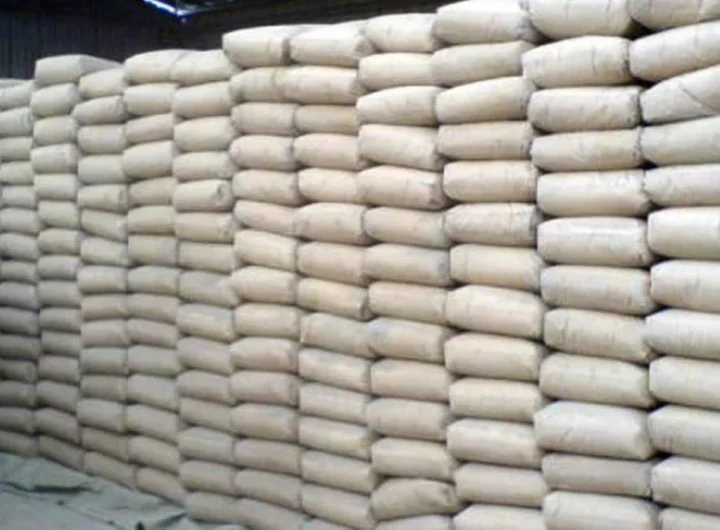 Cement Prices Rise Again in Nigeria as Builders and Renters Face Fresh Pressure
  Ibeh Ugochukwu Bonaventure on Troco Technology: Building Trust Where Nigerians Once Took Risks
 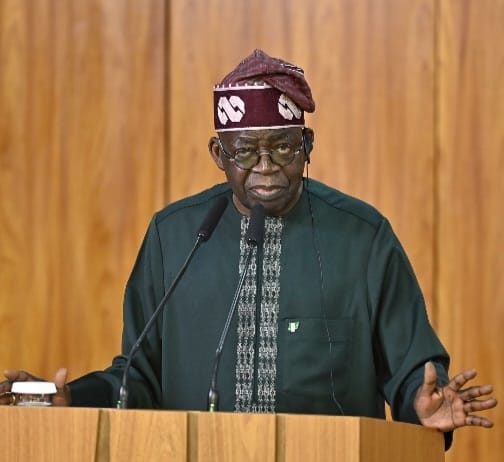 Nigeria : Rising Opposition Shadows Tinubu’s Tax Plan as January 1 Implementation Nears
  Oritsemeyiwa Eyesan: Seven Things to Know About Nigeria’s New Oil Referee Steering a Critical Sector
  Oyedele Dismisses Viral Tax Papers as Fake, Pledges Reforms That Shield Small Businesses and Workers
  Sweden Considers Lowering Age of Criminal Responsibility to 13 Amid Rising Gang Recruitment of Children
  Unions, Industry Stakeholders Push Back as NAFDAC’s Sachet Alcohol Ban Sparks National Uproar
  Tanzania Poised for Historic Energy Breakthrough as $42bn Mega LNG Deal Nears Final Signature
  Iran Puts Military on Alert Over Possible U.S.–Israel Strike